

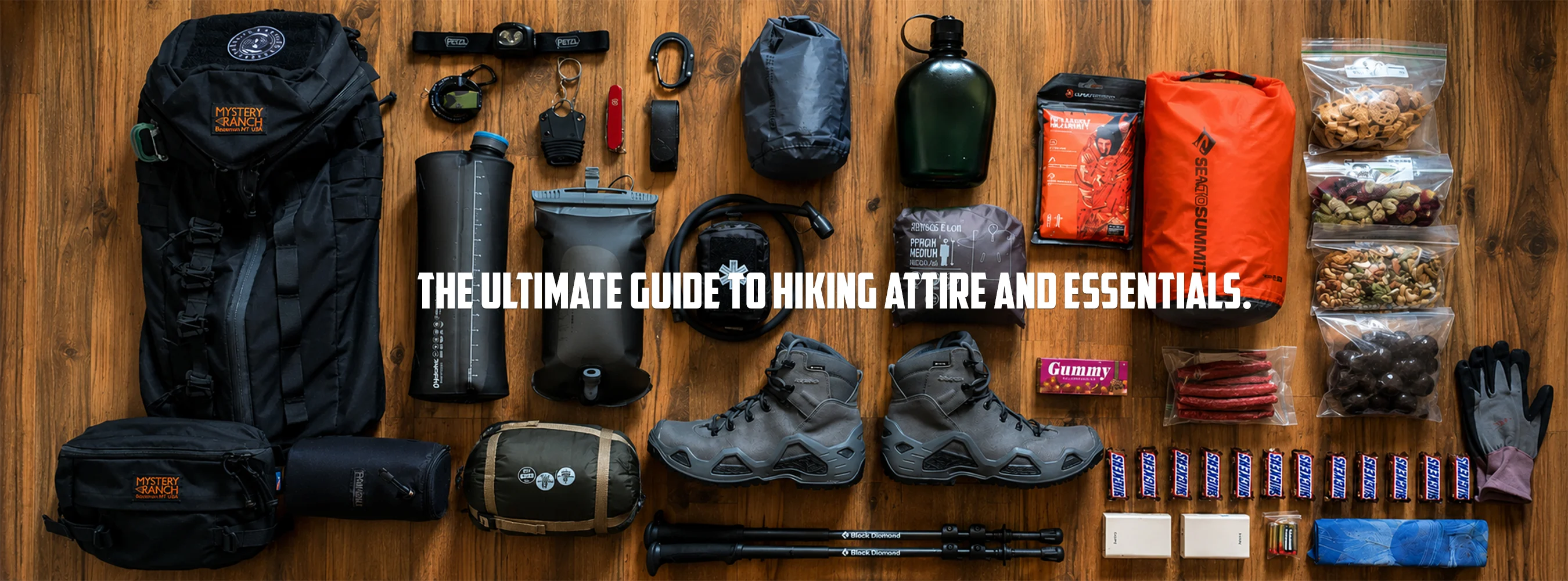
What to Wear Hiking? | 15 Things to Wear for Hiking
- Places
- Edited By: Accessnepaltour .Updated on: 21 Jul 2026
Walking along a trail is more than just a walk. It is a chance to enjoy nature, challenge yourself, and discover new places. From hiking in local forests to trekking in the high Himalayas, you need to be well prepared before you get to the trailhead. The difference between an enjoyable adventure and a difficult experience often depends on what you wear and what you pack.
The one thing to know when it comes to enjoying the outdoors in every season is what to wear on a hike. Appropriate clothing will keep you warm or cool as needed, shielded from weather variations and happy on the trail. It helps to control body temperature, protects against the elements and keeps you safe on various surfaces. If one is interested in travelling to the majestic landscapes of Nepal, Bhutan or Tibet, the stakes are even higher. Special knowledge and equipment is needed in high-altitude areas. That is where the know-how of a well-established tour operator like Access Nepal Tours and Treks is essential. At Access Nepal Tours and Treks, we understand that proper preparation is the key to a safe and enjoyable trekking experience.
So when it comes to ‘What to wear hike,’ this is the ultimate guide to hiking fabrics, hiking layers, hiking boots, and essential hiking clothing for each season. We will learn about fabric science, layering, and everything we can’t live without in our backpacks! By the time you’ve finished reading this article, you’ll know how to dress and pack for any hiking situation, and you’ll be able to concentrate on the spectacular scenery and not your blisters and wet clothes.
The Science of Hiking Fabrics
In this section, you will learn about the science behind hiking fabrics.
Before you talk about particular outfits, you need to talk about the most essential rule of outdoor clothing. Although cotton is soft and comfortable for casual use, hikers are better off choosing moisture-wicking fabrics that dry quickly and keep them warm. Choose moisture -wicking fabrics like merino wool or synthetic materials to stay dry and comfortable . These fabrics move sweat and rain away from your skin, dry quickly, and help keep you warm. They also reduce chafing and keep you comfortable throughout your hike.
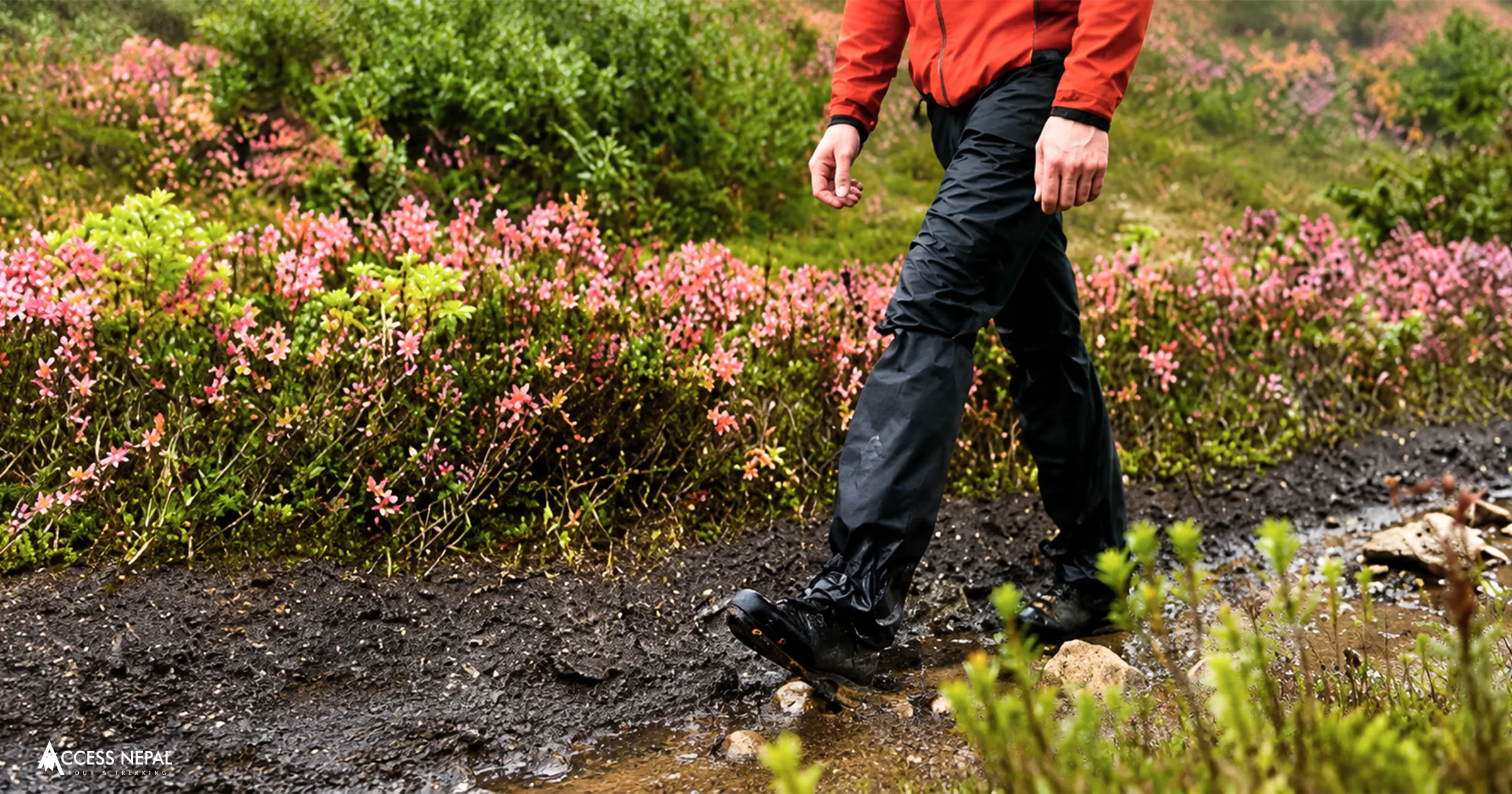
What to wear hiking? The fabric used for hiking
Synthetic Fabrics: The Workhorse of the Trail
Polyester and nylon are used to make the materials of modern hiking gear. The fabric has been engineered to soak up the sweat and move it away from your skin and towards the fabric’s surface, where it will evaporate quickly, and they are engineered to be “moisture-wicking”.
- Polyester: light, strong and moisture managing. It’s a fabric that can be applied to base layers, t-shirts, and other clothes. Today, many polyester clothing items are now made from recycled plastic bottles, so they are more sustainable for the eco-conscious hiker.
- Nylon: A fantastic, resilient material which is highly abrasion resistant. Nylon is used in hiking pants and outer shells where they will come in contact with rocks or brush. Nylon is also not as wind resistant as polyester.
- Spandex/Elastane: Often combined with polyester or nylon with the aim of adding spandex or stretch properties. This is essential for movement, particularly when going up hill or on rocks.
Merino Wool: Nature’s Technical Fabric
Related Packages
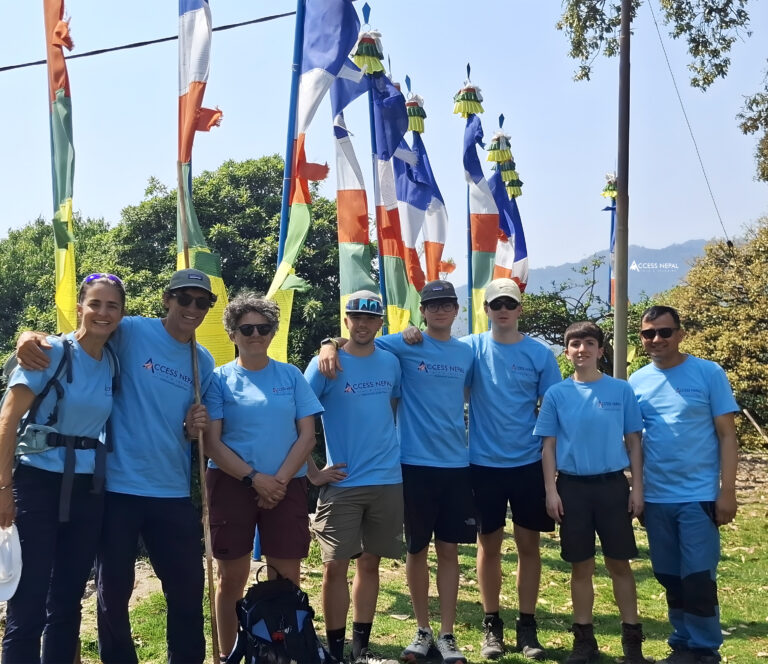
Merino Wool: Nature’s Second Technical Fabric
Merino wool is, if there is a “miracle” fabric for hikers, it is Merino wool. Unlike conventional wool which is also itchy and heavy, Merino wool is breathable, light and soft.
- Warm and Dry: It has a natural crimp that traps air and keeps you warm when it’s cold. On the other hand, it can absorb up to 30% of its weight in moisture without getting wet, which helps to keep it cool in warm weather.
- Odor Resistance: Merino wool is naturally anti-microbial. The fibre is also not conducive to bacterial growth, meaning that it can be worn for several days without the pants smelling, a huge advantage when you’re out on a multi-day trek with Access Nepal Tours and Treks.
- Safety Net: Merino wool is a safety net that synthetics can’t always match, as it retains its insulating properties when wet.
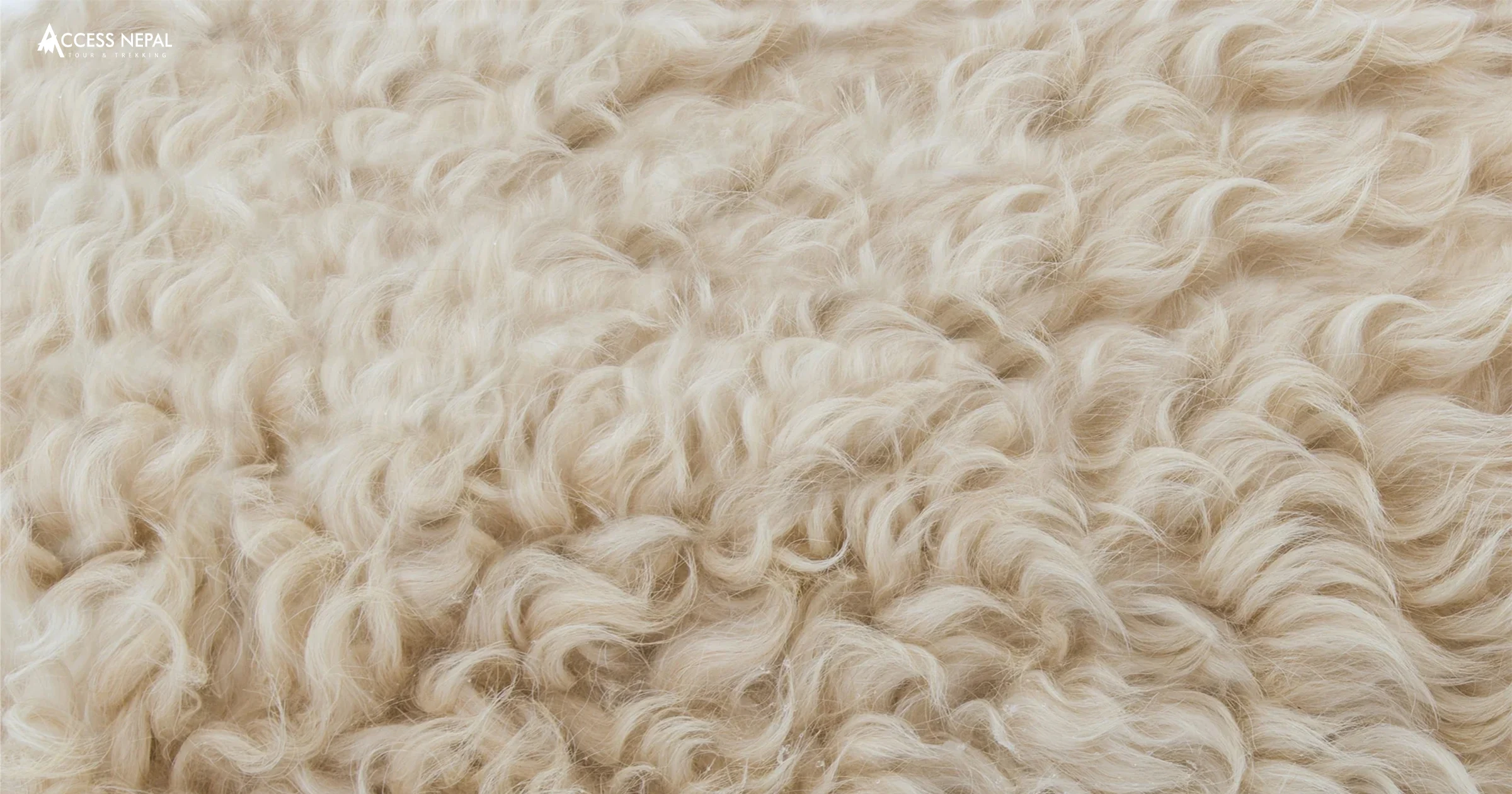
Merino Wool: Nature’s Second Technical Fabric
Silk: The Luxury Liner
Silk could be a good choice for liners, but it is not as commonly used as synthetics, or wool. Sleeping bag silk liners or as a very thin base layer are surprisingly warm and extremely soft to the skin. Silk, however, is fragile and is not as durable as usable for an outer layer.
What to wear on a hike: Using the Three-Layer System
The three-layer approach is the most effective way to ensure a trail comfortable for you. This way you can put clothes on or take them off as you need to suit the activity you’re involved in or the weather.
The Base Layer (The Moisture Manager)
The clothes that you wear next to your skin. But it’s not there to keep you warm, it’s there to remove sweat from your body.
- Lightweight Base Layers: These are light weight Base Layers, suitable for high output activities or warm weather. Their emphasis is on maximum breathability.
- Mid weight Base Layers: These are an in-between type of Base Layer and are the most versatile.
- Heavyweight base layers: For colder climates and conditions when keeping warm is a priority.
Related Packages
The Mid Layer (The Insulator)
The mid layer’s purpose is to trap your body heat. This layer encloses your body with the warm air.
- Fleece: A traditional option. It consists of polyester fiber that can retain air. Fleece is extremely permeable and will not trap sweat, and is not wind resistant.
- Warm and cozy, Gold standard in Down insulation. Down, the fluffy under-feathers of ducks or geese, is extremely warm for its weight and it’s very compressible, as well. But conventional down loses its insulating properties when wet.
- Synthetic Insulation: Synthetic insulation (such as PrimaLoft) retains warmth even when wet, and continues to provide warmth. Heavier and less compressible than down, it provides some additional protection from the elements when it’s wet.
The Outer Layer (The Weather Guard)
This layer is known as shell and shields you from the wind, rain and snow.
- Hard Shells: They are totally waterproof and windproof. They employ a special membrane (such as GORE-TEX) with billions of pores. They prevent the water droplets from getting in but water vapour (sweat) can pass through!
- Soft Shells: These are more breathable and flexible than hard shells. They are water resistant, but not waterproof and suitable for high exertion activities in fair to moderate weather conditions.
- Wind Shells: They are very lightweight and compact and are designed to only block wind. They make for great cool ridge hikes (when a full rain jacket is too hot).
What to Wear Hiking: A Gender-Specific Deep Dive
One of the most common questions asked by the novices is “what to wear on a hike”. The order of layers is the same, however it may vary depending on the type of body, weather and the person’s comfort.
Hiking Clothes for Men
Men’s hiking attire is also much more functional and durable, and typically more comfortable to wear since they’re not as form-fitted.
- Tops: Men’s hiking shirts can have “articulated” sleeves and offset shoulder seams. This type of design eliminates the risk of rubbing on your backpack seams against your skin.
- The bottoms: Essential to utilities. A pair of pants for men hiking may have reinforced knees and seats, which are for use when the terrain is rough. Many men prefer “convertible” trousers with zippers at the knees that they can turn into shorts when it becomes hotter throughout the day.
Synthetic or Merino wool boxer briefs are essential in eliminating chafing after a couple of miles and are something that is often overlooked!
Hiking Clothes for Women
The evolution of women’s hiking gear is from “shrink it and pink it” to sophisticated designs empowering female hikers. Access Nepal Tour and Treks is also a women initiated firm thus they know what a women trekker wants.
- The Sports Bra: This is likely the most essential bottom layer for ladies. The ideal hiking sports bra is moisture-wicking and provides sufficient support so hikes at altitude are easily executed.
- High Quality Trekking Pants vs. Leggings: Many females prefer the flexibility and comfort to be provided by the high quality trekking leggings. But classic hiking pants provide increased protection from thorns, rocks and insects. Find companies with different “rises”, and waistbands which fit comfortably under the hip belt of a backpack.
- Anatomical Fit: Anatomical fit is a better fit for women’s jackets, as they are typically wider at the hips, narrower at the shoulders, and shorter in the torso. This will allow the stitching of the garment (vents, pockets etc.) to be in the correct positions.
Related Packages
Suryachaur Day Hiking - 1 Days
 2,000m/6,560ft
 Easy
Easy All
Inclusive Plan
All
Inclusive Plan
Seasonal Hiking Outfits
The kind of hiking attire should be largely dependent on the season. The clothing worn on a summer trail will be quite different than during the winter or when hiking at a high elevation. With a thick forest in summer you can go for a hike and enjoy it, but a windswept ridge in winter is quite different.
Summer Hiking Outfits: Beating the Heat and the Sun
Hot summer hiking is a battle against heat exhaustion and UV rays!
- Sun Hoodies: This is a relatively new invention; sun hoodies are made from a super thin synthetic cloth with UPF protection. The hood covers the neck and ears, long sleeves keep the sun out of your arms and often will help keep you cooler than a t-shirt by blocking the direct sun.
- Ventilation: Shirts with mesh panels or “pit zips” in jackets make sure that there’s plenty of room for air to flow through.
- Shorts vs. Pants: Shorts are cooler, but heavy hiking pants will provide protection from ticks, poison ivy, and sun.
- Summer Hat: A wide brimmed hat is important. Gets into areas of the face, ears and neck which are often untouched with sunscreen.
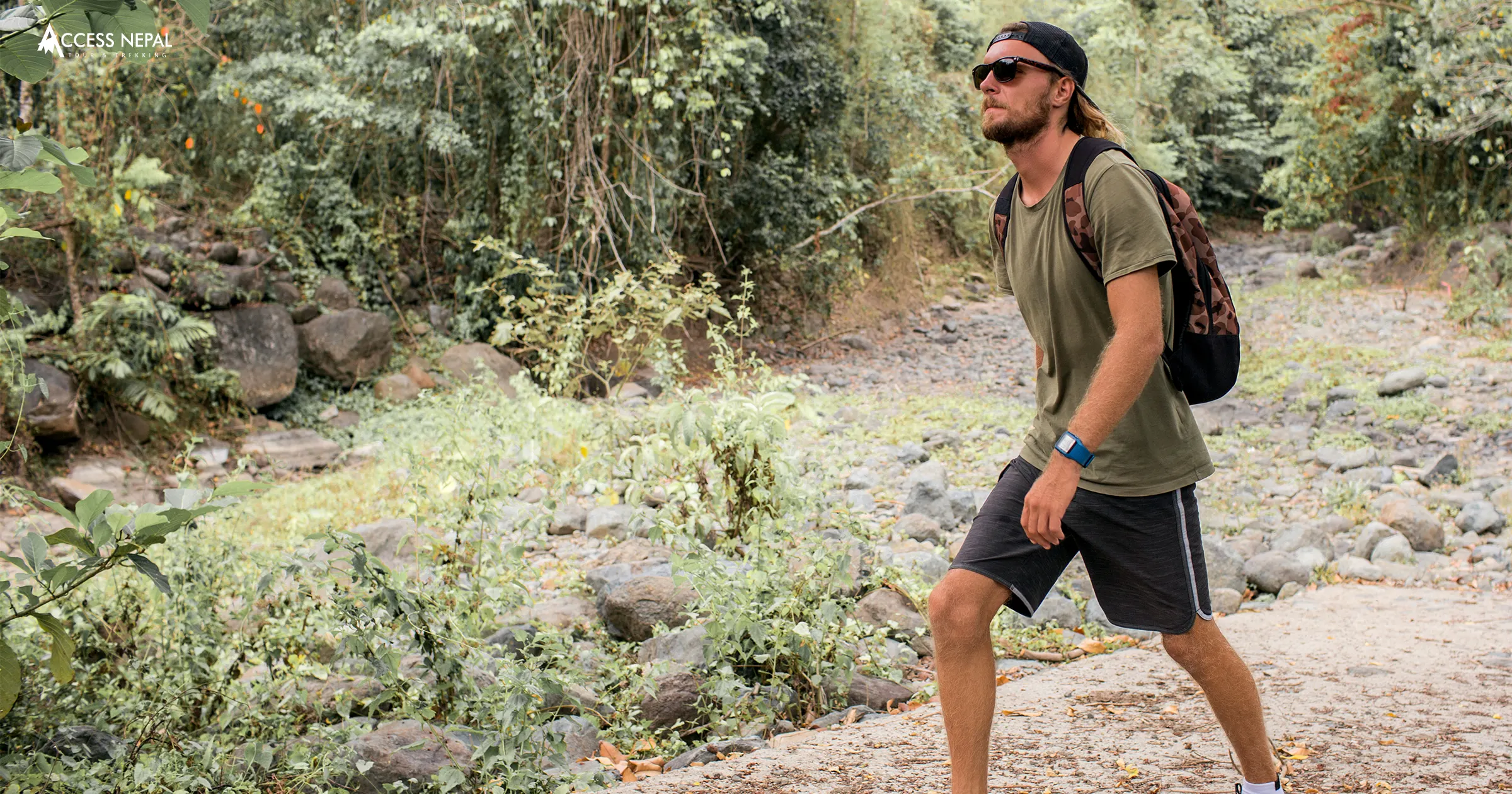
Summer Outfit for Hiking
Winter hiking clothing: How to survive.
If you’re like most people, your clothes are your winter life support system.
- Always carry a heavy duty, large down jacket (the “belay” jacket): This is also a mid-layer jacket. This is your “insurance policy”. If you get hungry or if you hurt yourself, you throw this over anything else so that your body doesn’t get cold.
- Vapor Barrier Liners (Advanced): where these are very cold, vapor barrier liners (socks or shirts) are used in advanced hikes to keep insulations dry and warm and sweat from reaching them.
- Face Protection: Frostbite protection for skin is required (buff or full balaclava) for high winds.
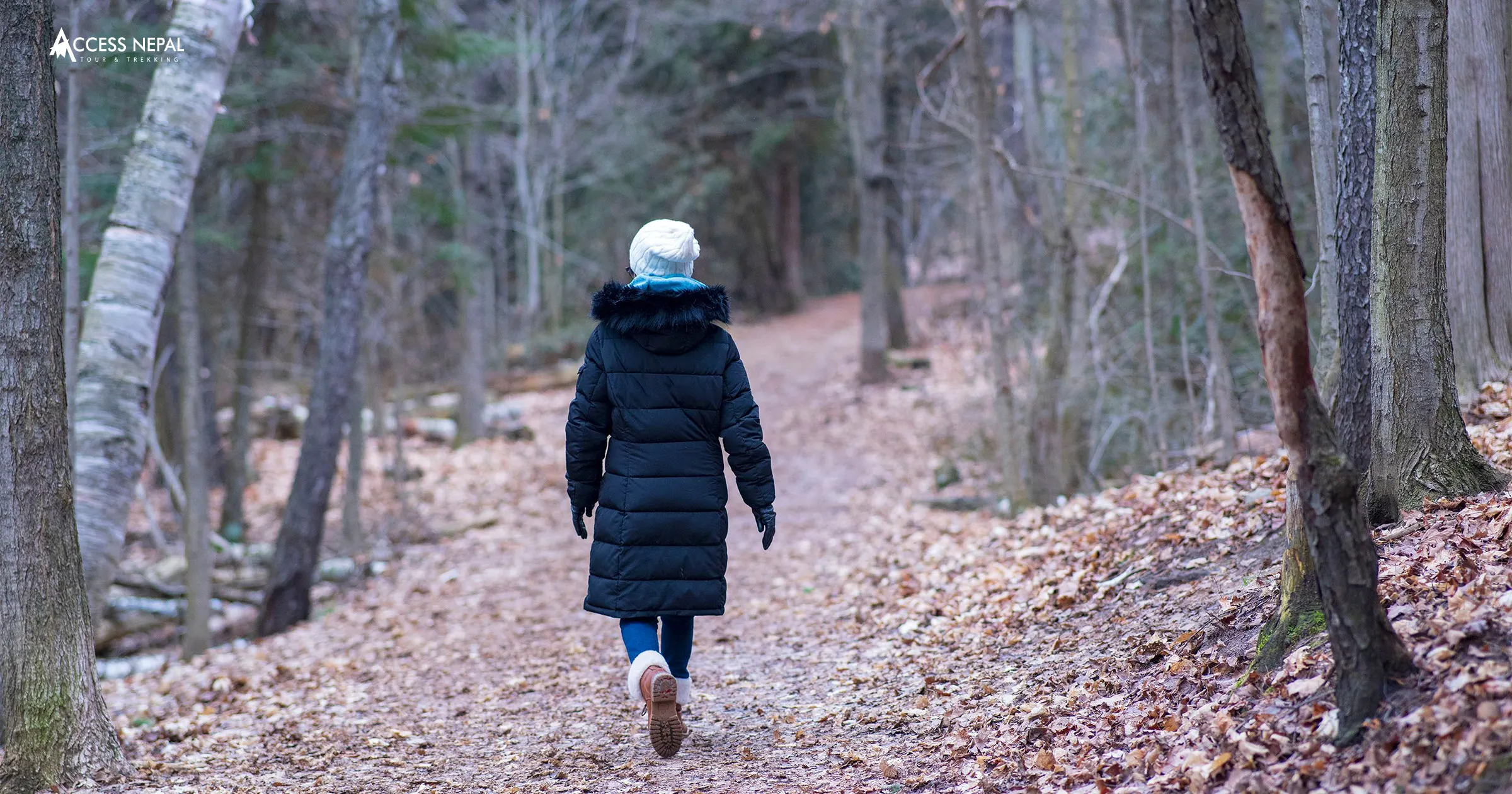
Winter Outfit for Hiking
Spring and Autumn: The Shoulder Season Challenge
Are the seasons changeable in these seasons? A hike could start out in a t-shirt and end in a blizzard.
- Versatility is King: Pack light and medium weight clothes to cope with the “four seasons in one day.
Footwear – The Foundation of Your Journey
As for what to wear on a hike, don’t forget about the footwear. Comfort, stability and protection are provided by good hiking boots or trail shoes on your hike.
Choosing the Right Shoe
- Hiking Boots: It provide the greatest amount of protection and support for the ankle. These are useful when carrying heavy packs (over 30lbs) or rough and rocky surfaces.
- Hiking Shoes: A middle-ground between a sneaker and a boot. Works well on trails that are in good condition.
- Trail Runners: Lightweight, breathable and quick dry. They are popular with many contemporary hikers as they are comfortable however they provide less protection from ankle rolls.
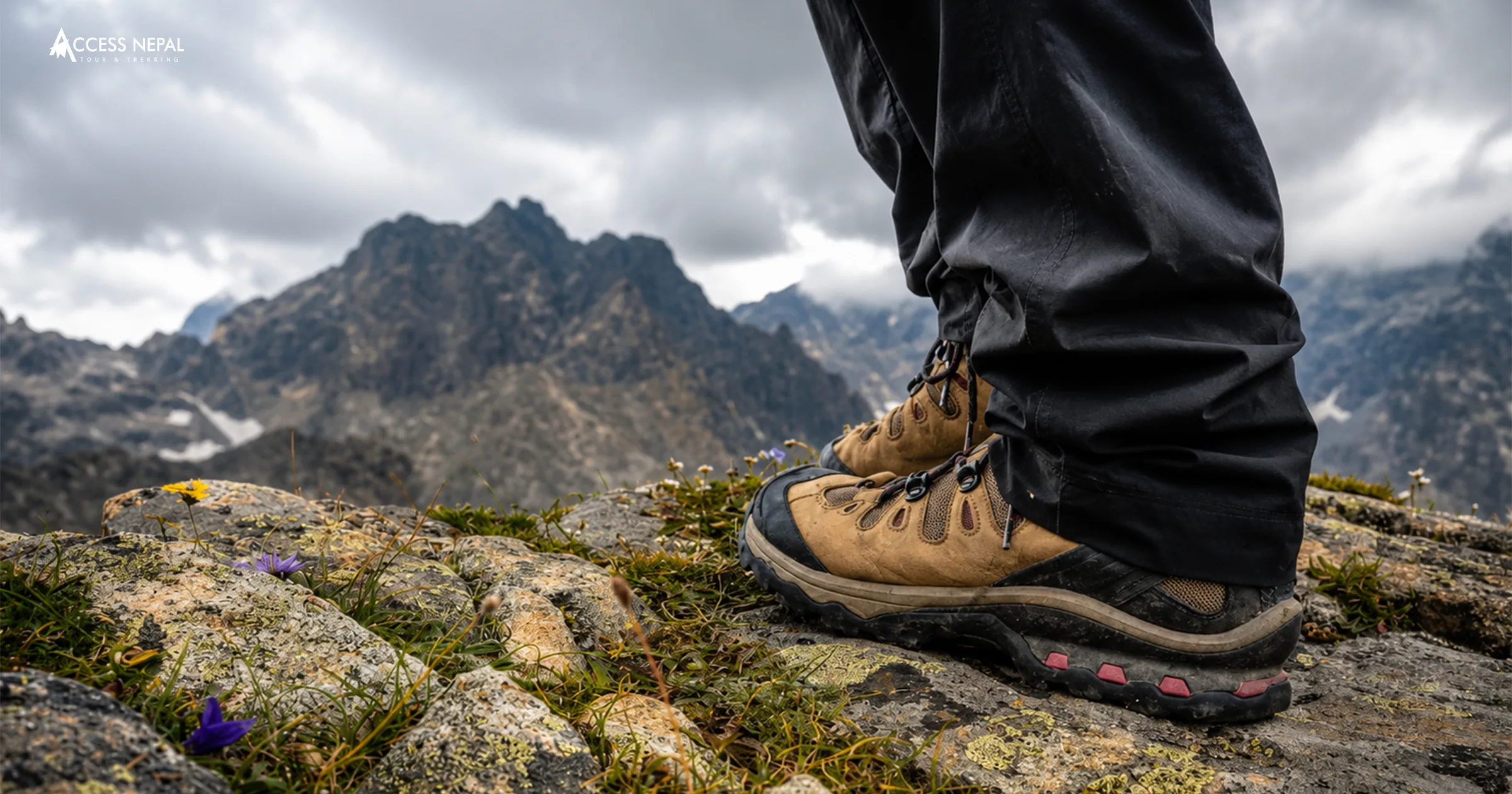
Choosing the right shoe for hiking
The Unsung Hero: The Hiking Sock
A $200 boot is no good without a $25 sock.
- Material: Make sure to use Merino wool blend fabric.
- Cushioning: Socks are available in light, medium and heavy cushioning. Make sure you’ve got the correct cushion for your boot and the ground.
- Liner Sock: A very thin sock that’s worn under the main sock that will reduce friction, the most common cause of blisters.
Footwear Accessories
- Gaiters: They are sleeves that cover the lower part of boots. They prevent mud, snow and pebbles from finding their way into your shoes.
In the majority of hiking boots, most insoles are basic. Wearing an orthotic insole (such as a Superfoot) can help increase arch support and help minimize foot fatigue. Once you’ve decided what to wear on a hike, you’ll need to get the right gear that will keep you safe and comfortable on the trail.
What to Bring on a Hike: The Essential List of Equipment
There is a fine margin between being prepared for an emergency, and carrying too much when setting out on a foot adventure.
Ten Essentials:
- Navigation: Physical map and compass to be used. These smartphone apps, such as AllTrails, are wonderful, but batteries run low and electronics fail.
- Sun Protection Sunscreen: Sun Protection Sunscreen (SPF 30+ or more), Protective Clothing, Polarised Sunglasses.
- Insulation: Additional layer (such as a soft fleece) even when the day is warm.
- Lighting: An LED headlamp. It will not interfere with you and it is much better than a phone flashlight!
- First Aid Supplies: Moleskin for blisters, antiseptic wipes, bandages, Emergency whistle.
- Fire: A butane lighter, matches that are waterproof, or a fire starter.
- Repair Kit and Tools: A multi-tool (a knife is included) and some duct tape.
- Nutrition: Snacks like nuts, dried fruit and jerky that are high in calories and nutrients.
- Hydration: Drink 2-3 liters of water a day. Consider carrying a small portable water filter (e.g., Sawyer Squeeze) in case you need to filter water.
- Emergency Shelter: light emergency bivy or space blanket.
What to Pack for a Day Hike: The “Plus” List
These can be added for comfort, in addition to the essentials:
- Trekking Poles: These can make a huge difference with regards to the knee impact, particularly when you are downhill. They also lend additional support when crossing streams.
- Sit Pad: A “Sit Pad” small piece of closed cell foam makes it much more comfortable to sit on cold or wet rocks.
- Power Bank: To charge phone, GPS.
Specialized Gear for Himalayan Trekking
There are additional wearing layers and specific gear to deal with the extreme weather and high altitude conditions for those who don’t know what to wear on a hike in the Himalayas.
Access Nepal Tours and Treks provides a world class trekking opportunity in the Himalayas which requires a world class preparation. The mountains are a large scale and pose special problems.
The High-Altitude Environment
- Oxygen and Pressure: At higher altitudes the air is thinner, oxygen and pressure are lower. Your body will work harder and sweat more than you think. This is even more vital when it comes to breathable fabrics.
- The Sun’s Intensity: The more altitude the greater the Sun’s intensity will rise at the rate of about 4% per each 1000 feet of elevation. The trek in the Himalayas is often up to 15000 ft, and “category 4” sunglasses are essential to protect against “snow blindness”.
Gear for the “Tea House” Trek
All equipment for the “Tea House” Trek has been on display. The walks or treks in Nepal will mostly have overnight at local lodging house called the Tea House.
- Sleeping Bags: Tea Houses are not heated although inside. At least a good high quality sleeping bag with a -10°C rating or lower is needed for high altitude treks.
- Indoor Shoes: After a long day of walking, nothing is better than taking off your boots than a pair of indoor shoes. A pair of light weight down booties or crocs are ideal to wear in the tea house.
The Access Nepal Tour Advantage
Being in a trek party with Access Nepal Tours and Treks is not only a service of a guide; it’s a system of support.
- Porter Support: Most treks will require you to have porters as your pack carriers. All you have to carry is a little small daypack (20-25 liters), your water, layers and camera.
- Gear Inspection: The team at Access Nepal Tours and Treks will do a complete gear inspection prior to your departure from Kathmandu. They can help you to rent or buy anything you lost; you don’t want to find out at 17,000 feet that your gear is broken or gone.
- Emergency Logistics: They are equipped with extensive medical kits and have the capability to make helicopter evacuations if needed, the last item on the list of “safety gear”.
Gear Maintenance and Sustainability
A good hiking costume is an investment. It can last for years and operate as required if adequately maintained.
Washing Your Gear
- Technical Washes: Avoid washing waterproof shells or down jackets with a laundry detergent. Using normal detergents will leave a film behind which will draw in water and cause “wetting out” of your jacket. Apply special cleaners, such as Nikwax or Granger’s.
- Drying Down: To dry a down jacket, place some clean tennis balls in the dryer. This will allow to “fluff” the down and will prevent clumping.
Sustainable Choices
One of the biggest contributors of microplastic pollution is the outdoor industry.
- Choose Quality: The best quality gear is the gear you don’t need to replace, “Choose Quality”. Buy good products with long-lasting quality.
- Eco-Friendly Brands: Seek out businesses that have recycled options, PFC-free water repellents and fair-labor certifications (Eco-Friendly Brands). Access Nepal Tours and Treks’s policy is responsible tourism and we suggest our clients to make responsible gear decisions.
Some of the common mistakes to avoid
Even experienced hikes can be tempted to fall into these traps:
- Overpacking: Items are overpacked ‘just in case’. Each pound you have on your body is an additional stress on your heart and knees.
- Ignore Hot Spots: If foot rubs are felt, STOP and put on a bandage. In minutes a “hot spot” turns into a blister.
- Cotton Underwear: The best GORE-TEX jacket in the world cannot save you from being cold and damp, if you wear cotton underwear.
- Testing Gear on the Trail: Don’t try anything new on a major trip, such as a new stove, tent or boots.
Conclusion: The Trail Awaits
Hiking is the best thing a person can do in life. It tests us, it brings us down and offers us a perspective that we would not have had at any other point. Beauty in the wild but there’s also unpredictability. The difference between fear and confidence is preparation.
With knowledge of what to wear on a hike, the science behind fabric and how to layer, you can be prepared for a day hike or a challenging hike in the Himalayas. Whether you’re basking in the sun in your own woods or in the shade of Mount Everest with Access Nepal Tours and Treks, your gear is your silent partner. It will take care of you, support you and allow you to focus on what is important, the journey itself.
Therefore, make the time to prepare. Invest in quality. Learn your gear. But when the time of the ultimate Himalayan adventure arrives, remember Access Nepal Tours and Treks is here to help you with the knowledge, service and passion that only a local, woman-led pioneer can provide.
Come, it is the mountains calling. It’s time to go.
Essential Things you need to book a hiking package: you have to know the major differences between hiking and trekking. So, read our blog: trekking vs hiking.
Hiking Clothes – Frequently Asked Questions (FAQ)
We’ve compiled a list of a few of the most commonly asked questions about what to wear on a hike from beginner and advanced hikers as they prepare for a hike.
When hiking do you need to change into gym clothes?
In many cases, yes. Today the bulk of gym clothes are made of synthetic fabric that absorbs sweat, including polyester and spandex. For sunny days, they make a wonderful day hike. But gym attire may not be made for tackling rough trails, though, and can tend to get caught up in trees or get worn down easily when sitting on rocks. If you are going to do multi-day or extreme hikes, it is worthwhile to buy special hiking gear.
Does it cost more to learn more?
Not necessarily. While there are some brands that are more expensive and feature a more updated design and features like Patagonia, there are many brands that will suit the budget of most hikers like Decathlon’s Forclaz or REI Co-op. What is important to remember is that you should not just consider the cost of the materials and construction but also the materials and construction themselves. Invest most of your funds in the “big three” items: boots, backpack and rain shell.
How often to wash hiking boots?
After each hike if your boots get very dirty, you should clean them. Mud will lead to drying out of a leather and will clog the pores in waterproof membranes. Gently brush with clean water. Never dry boots on radiators or a fire as they may crack or glue may come off.
Is there any reason I should use trekking poles?
Water is a must and trekking poles are a “must have”. Research indicates that they can limit the compression on knee joints up to 25% on descents. They also provide them with two extra points of contact, very useful to cross rivers or to cross mud.
What is UPF in relation to clothing?
UPF is the abbreviation of the term Ultraviolet Protection Factor. It is a measure of how well a fabric blocks out the sun’s ultra-violet rays. For instance a shirt with a UPF of 50 will let 1/50th of the sun’s UV rays through, which indicates 98% protection. This will help fight a regular white cotton t-shirt which may only receive a UPF of 5.
Specific Gear Recommendations for Popular Nepal Treks
On different routes, different equipment is required while taking a tour with Access Nepal Tours and Treks. The top 3 areas are listed below:
Everest Base Camp (EBC) Trek
- Conditions: Extreme at night; higher UV levels, even snowfall.
- Essentials: Sleeping bag (-20°C rating), a heavy down parka for the evening and good polarized sunglasses.
- Footwear: Sturdy leather or synthetic boots that are good for the ankles and have rock loving qualities for the surface of the Khumbu Glacier.
Annapurna Circuit
- Conditions: fantastic variety: from subtropical forests at the start, to the high altitude desert of Mustang and the ice cold Thorong La Pass.
- Essentials: A very versatile layering system. Lightweight shorts will be required down low and full winter gear will be required at the pass.
- Footwear: Comfortable, broken in boots as you will be doing lots of walking.
Hike to Ghorepani Poon Hill
- Weather: Moderate temperatures, but cold early mornings for the sunrise view.
- Essentials: Lightweight windbreaker and good mid-layer fleece. This is NOT an expedition trek.
- Footwear: Usually trail runners or light hiking shoes should be good enough for the well maintained stone steps of this route.
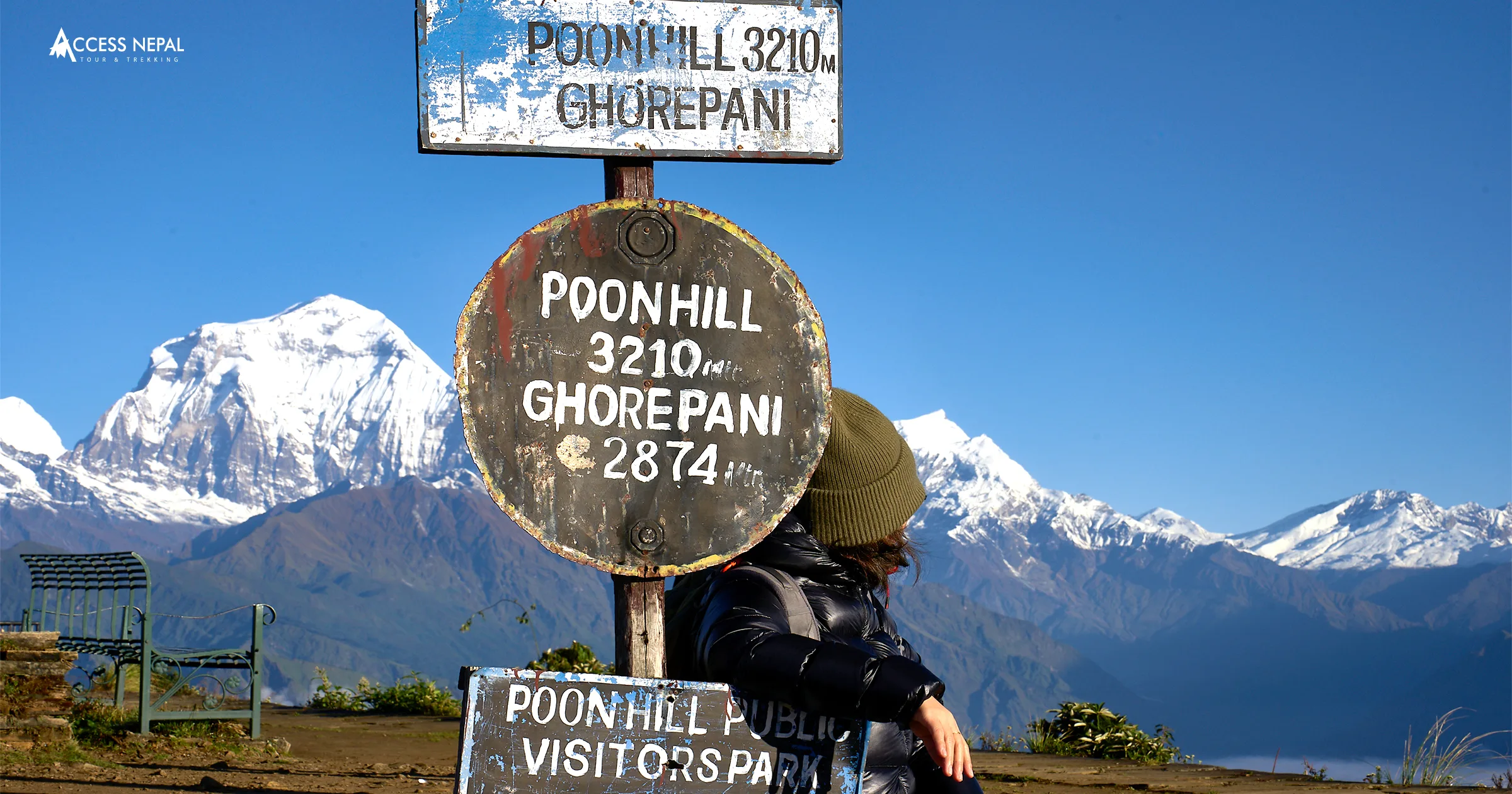
Hiking on the way to Ghorepani Poon Hill
Final Thoughts from Access Nepal Tours and Treks
At Access Nepal Tours and Treks, we’re convinced that the best gear is the gear that you forget about. Comfortable shoes, dry body and a well-balanced pack can give you the enjoyment of the Himalayas! Listen to the sound of the glacial rivers, breathe the pureness of the mountain air and marvel at the world’s highest mountains.
We are on a mission to provide these life changing events to all in a safe environment. We are a women owned business and proud of the attention to detail and to ensuring our clients welfare. From the first time you speak to us and until the last time in Kathmandu we are your partners in adventure.
We wish you knowledge and confidence to travel out and do hiking either around your doorstep or in the Himalayas. Be sure to keep in mind that the trail itself is a teacher and that each mile is a lesson! Respect, enjoy and we hope to see you on the trail.
Access Nepal Tours and Treks, Your gateway to the Himalayas.
Awards and Achievements
Access Nepal Tour and Treks has been recognized with TripAdvisor’s prestigious Travelers’ Choice Award for multiple consecutive years, reflecting our unwavering commitment to quality and clients’ satisfaction.













Leave Your Comment