


Solo Trekking in Nepal: Where is allowed & not allowed Guide
- Places
- Edited By: Ayesha Sapkota .Updated on: 16 Sep 2026
Solo Trekking in Nepal: Quick Notes
- A licensed guide is mandatory on nearly every popular route, including Everest Base Camp, the Annapurna Circuit, Langtang, and Manaslu. Solo trekking isn’t banned outright, but it doesn’t mean what it used to.
- Genuinely unguided solo hiking is still legal, but only on unrestricted day hikes around the Kathmandu Valley, like Shivapuri, Nagarkot, and Champa Devi.
- As of March 2026, a single trekker can get a restricted-area permit for places like Upper Mustang, Dolpo, and Kanchenjunga without needing a second person in their group. A guide is still required either way.
- The old “Green” independent TIMS card is gone. Only the agency-issued “Blue” TIMS exists now, and it’s enforced differently depending on the region.
- A licensed guide typically runs USD 25–50 a day. A standard 12–14 day trek usually costs around USD 400–700 total for guide, permits, and paperwork combined.
- Getting caught on a regulated trail without a guide can mean fines, being turned back at a checkpoint, or losing eligibility for future permits.
- Trail conditions shift with the seasons. Monsoon flooding closed sections of Langtang and Manaslu as recently as September 2026, so check current status before booking flights.
Maybe Nepal is on your bucket list for years. Imagine yourself walking alone into the mountains, no group to keep up with, no schedule but your own, just you and the biggest peaks on the planet.
Then you start Googling, and every article seems to say something different. One site says solo trekking is banned. Another says it’s totally fine. A forum post from three years ago says one thing, and a company website says the opposite.
That mess of conflicting information on different platforms is the actual problem, more than the trekking itself. You’re not confused because the mountains are complicated. You’re confused because the internet hasn’t caught up with the rules.
So after reading this blog, all the confusion regarding solo trekking in Nepal’s latest updates goes away. You can get exact information on exactly where solo trekking is still legal in Nepal in 2026, the latest government update on the rules, which famous routes now require a guide no matter what, what that guide actually costs, the stuff nobody tells you about how solo trekking really feels once you’re out there, and honestly, whether it’s even the right call for you.
The most important thing about Solo Trekking in Nepal
Solo trekking in Nepal still exists. It just doesn’t mean what it used to. On almost every route people dream about, “solo” now means you’re the only trekker in your party, walking with a required licensed guide, not truly alone with a map and a backpack. Get that straight before anything else, and the rest of this guide will make a lot more sense.
Nepal’s Latest Trekking Rule Update (2026)
Here’s what’s actually new this year, not just the 2023 headline everyone already knows about.
On March 23, 2026, Nepal’s Department of Immigration formally confirmed a rule change that TAAN, the Trekking Agencies’ Association of Nepal, had been pushing for. For years, restricted areas like Upper Mustang, Dolpo, Kanchenjunga, and the Manaslu region required a minimum of two foreign trekkers before you could even apply for a permit.
That requirement is gone. A single trekker can now apply for a Restricted Area Permit through a registered agency, no travel buddy required just to satisfy a headcount.
The guide, though, stays mandatory. Nothing about that changed. What did change on top of the group-size rule is the guide-to-trekker ratio: one licensed guide can now legally take up to seven trekkers into a restricted zone, which mostly matters if you’re booking a group trek and wondering why the price per person can drop so much.
One more thing worth knowing if you’re planning a trip soon: conditions on the ground shift fast during monsoon season. As of early September 2026, heavy flooding around Rasuwa disrupted the Rasuwagadhi–Timure–Syabrubesi corridor near the Langtang region, and the Manaslu Circuit briefly closed after flooding on September 6, reopening just two days later.

Solo female traveller trekking in Langtang Valley trek before Bhotekoshi Flood
None of this changes the rules, but it does mean you should check current trail status before booking flights, not just the regulations themselves. A registered agency, Access Nepal Tour and Treks included, tracks this kind of thing daily and can tell you what a route actually looks like this week, not last month.
Key Takeaway: As of March 2026, solo trekkers can get restricted-area permits without needing a second person in their group. A licensed guide is still required no matter what. Always check current trail conditions separately from the rules, since weather closures change route by route and week by week.
Is Solo trekking allowed in Nepal in 2026?
It depends entirely on where you’re going.
Back in 2023, Nepal’s government made a big change. Every foreign trekker heading into a national park, conservation area, or restricted region now has to bring a licensed guide. Not “recommended.” Required.
And as of the 2026 season, this rule isn’t loosely enforced anymore; it’s checked. There are checkpoints along the major trails where your guide’s license and your permits get scanned, not just glanced at.
Why’d they do this? Two reasons, and both are worth knowing because they change how you feel about the rule. First, safety. In one recent year alone, nearly 400 tourists were reported lost or missing in Nepal’s mountains, and the vast majority were trekking without a guide.

Solo trekkers trekking in Nepal
Search and rescue call-outs involving solo trekkers climbed sharply over the past decade. Second, jobs. Guiding is a real livelihood for a lot of families in the mountain regions, and the government wants that work to stay local.
Here’s the twist almost nobody explains clearly: “solo trekking” in Nepal doesn’t mean what you think it means anymore. It used to mean walking completely alone, no guide, no group, just you and a map.
Now, on almost every popular route, “solo” really means you’re the only trekker, but you’re still walking with your own licensed guide the whole way. It’s solo in the sense that it’s just you doing your own thing at your own pace. It’s not solo in the old backpacker sense of total independence.
That distinction matters. It’s the difference between disappointment and understanding what you’re actually signing up for.
Key Takeaway: It depends on where you’re headed. National parks, conservation areas, and restricted zones all require a licensed guide by law. “Solo” today usually means solo among trekkers, not solo without a guide.
Where is Solo trekking still allowed in Nepal?
There’s a small but real category of trekking where you genuinely don’t need a guide at all. These are the day hikes around the Kathmandu Valley, places that sit outside any national park or conservation area boundary.
Think Shivapuri, Champa Devi, Chandragiri Hills, and Nagarkot, the hill town famous for sunrise views over the Himalayan range. You can lace up your boots, grab a trail map, and just go. No permit office, no guide fee, no checkpoint scanning your paperwork.
These aren’t multi-day Himalayan epics. They’re day trips, usually a few hours each way, often doable from Kathmandu and back in a single day. But if the idea of truly unaccompanied walking is what draws you to Nepal, this is where you get it, no asterisks attached.
Key Takeaway: True guide-free solo trekking in Nepal is now limited to day hikes outside protected areas think Kathmandu Valley rim trails, not the big multi-day Himalayan routes.
Where is solo trekking not allowed in Nepal?
Pretty much every trek you’ve seen on a bucket list falls into this category now. Everest Base Camp. The Annapurna Circuit, Annapurna Base Camp, and Poon Hill. Langtang Valley. The Manaslu Circuit. And the more remote, harder-to-reach routes like Upper Mustang, Upper Dolpo, Nar Phu Valley, Tsum Valley, and Kanchenjunga all fall under stricter “restricted area” rules on top of the guide requirement.
One thing changed for the better in March 2026, though. Restricted routes like Upper Mustang used to require a minimum of two trekkers in your party before you could even apply for a permit. That rule’s gone now. A single traveler can apply and go, as long as a licensed guide comes along. So if your dream trek happens to be one of the far-flung ones, you no longer need to hunt for a stranger to pair up with just to satisfy a headcount.

Solo male traveller in Langtang region trek
Skipping the guide requirement isn’t a quiet workaround anymore, either. Get caught on a regulated trail without one, and you’re looking at fines, being turned back at the checkpoint, or in worse cases, getting flagged for future permits. It’s not worth the gamble, and honestly, it’s not as easy to sneak past a QR-code checkpoint as it was to dodge a paper form a few years back.
Key Takeaway: Everest Base Camp, Annapurna Circuit, Langtang, Manaslu, and every restricted region require a licensed guide. Skipping it risks fines, being turned back, or losing future permit eligibility.
Real challenges in Solo Trekking in Nepal in 2026
Legal status is one thing. What it actually feels like out there is another, and this is the part most articles skip. Here’s the short version before we get into each one: Major Challenges of Solo Trekking in Nepal
Related Packages
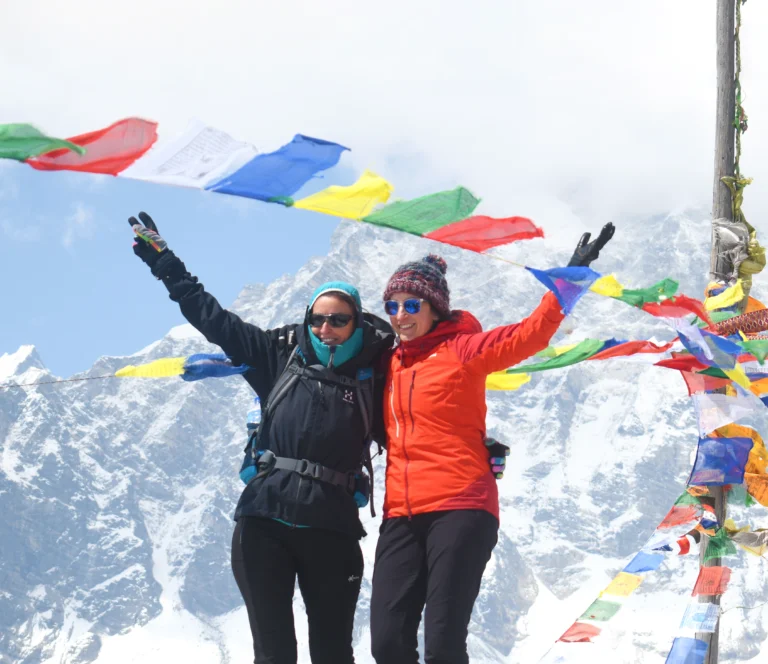
Langtang Valley Trek - 11 Days
 4,983m/16,348ft
 Moderate
 All
Inclusive Plan
All
Inclusive Plan
Altitude sickness: Headaches, nausea, and exhaustion can hit anyone, fit or not, and without someone else around, you’re the only one watching for warning signs.
Loneliness that shows up as boredom: Long, quiet teahouse evenings with no one to talk to, which lands very differently than the “peaceful solitude” people picture.
Managing family worry from afar: reassuring people back home who are picturing worst-case scenarios, often with patchy wifi to do it through.
The real cost: guide fees, permits, and paperwork add up fast, often past what people first budget for.
Permit and paperwork confusion: TIMS, RAP, ACAP, and rules that have shifted almost every year since 2023.
Being your own safety net: navigation, gear, pace, and health monitoring all fall on you, which is a lot of quiet mental load to carry solo.
Weather and trail closures: monsoon flooding and seasonal shifts can change your route with little warning.
Extra safety homework for solo women: choosing the right agency and guide matters even more when you’re the only trekker in your group.
Solo Female Trekking in Nepal
For women trekking without friends or a partner, there’s a whole extra layer to think through, and it’s worth being straightforward about it rather than glossing over it.
Nepal is, by most accounts, a genuinely welcoming country for solo female travelers, and the mandatory guide rule actually removes one worry that used to keep a lot of women up at night before their trip: you’re never truly alone on the trail. But the questions don’t stop there. Which agency you book with matters, a lot.

Solo female traveller on her trail
Reading real reviews, choosing a company with female guides available or a track record with solo women trekkers, and trusting your gut about who you’re handing your safety to for two weeks, all of that is homework worth doing before you land in Kathmandu, not after.
Key Takeaway: The legal side is only half the story. Altitude, loneliness, cost, and logistics all shape the experience, and solo female trekkers have an extra layer of homework around choosing the right agency.
Must-visit places for Solo Female Travellers in Nepal
If you are a solo female traveller in Nepal and looking for must-visit places for the solo female traveller, here are the most visited places.
Pokhara, especially the Lakeside district. This is the spot most seasoned solo women recommend starting with. It’s smaller and calmer than Kathmandu; everything from restaurants to trekking agencies to yoga studios sits within easy walking distance, and the whole area is so used to independent travelers that being a solo woman barely registers as unusual. Mornings by Phewa Lake and sunrise from Sarangkot are the kind of moments that make the whole trip worth it on their own.
Kathmandu Sightseeing Tour. Durbar Square, Boudhanath Stupa, and Swayambhunath, nicknamed the Monkey Temple for its resident troops of macabres monkeys, are all walkable from the tourist hub of Thamel and busy enough with both locals and travelers that you’re rarely truly alone even when you are technically alone.
Related Packages
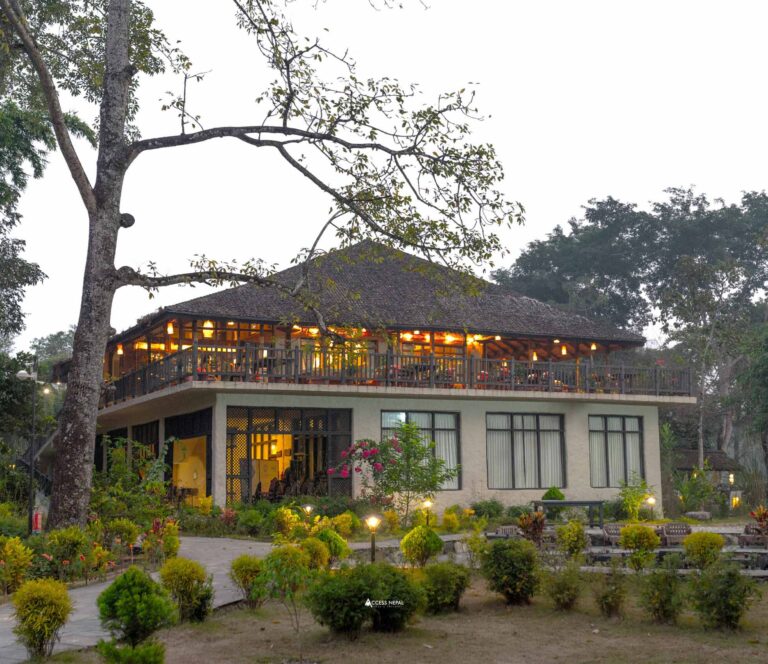
Chitwan Jungle Safari - 3 Days
- 1,400 m / 4,593 ft.
-
Easy
- All
Inclusive Plan
Chitwan National Park. For a complete change of scenery from the mountains, Chitwan’s jungle safaris, rhino and elephant sightings included, are typically done with a park guide as part of a structured tour, which makes it an easy, low-friction add-on to a solo itinerary.
Poon Hill or Annapurna Base Camp, with a female guide. If trekking is the whole point of the trip, these two routes are popular first choices for solo women specifically because they’re well-trodden, dotted with family-run teahouses, and easy to pair with a female guide through an agency like the ones mentioned above. Key Takeaway: Start soft with Pokhara or Kathmandu to get your bearings, then move into trekking territory once you’re comfortable. You don’t have to front-load the hardest part of the trip on day one.
Solo Trekking vs. Guided Trekking
Since a guide is now part of nearly every trekking route regardless, the real choice most people are making isn’t “solo versus guided” in the old sense. It’s this: do you want a private guide just for you, or do you want to join a small group trek with other travelers, a guide, and often a porter or two? Here’s how the two actually stack up, side by side.
| Private Guide (Just You) | Group Trek (You+Others) | |
| Cost per person | Higher, you’re covering the full guide fee yourself | Lower, guide and porter costs split across the group |
| Pace | Whatever you want, slow down or push hard, your call | Set by the group, everyone moves together |
| Itinerary flexibility | Easy to change your mind mid-trek | Fixed schedule, hard to deviate once booked |
| Comapny | Just you and your guide, day after day | Other trekkers to talk to, eat with, and lean on |
| Guide relationship | Closer, one-on-one; they get to know your pace fast | Shared attention across the whole group |
| Best for | Repeat trekkers, introverts, people craving quiet | First-timers, social travelers, tighter budgets |
| Booking lead time | Can often be arranged faster, fewer people to coordinate | Usually needs more advance notice to fill the group |
Going private means your pace is entirely your own. Want to stop for an extra hour at a viewpoint? Nobody’s waiting on you. Want to push a long day because you’re feeling strong? Go for it. You get a closer relationship with your guide too, since it’s just the two of you, day after day.
Group treks flip that. You share the guide and porter costs across several people, which usually brings the price per person down. You also get built-in company, people to swap trail snacks with, laugh with over dal bhat at the end of a long day, and lean on when the going gets tough. The trade-off is you move at the group’s pace, not yours, and the itinerary is usually more fixed.
Neither one is “more solo” than the other in the legal sense anymore. They’re just two different flavors of the same required setup.
Key Takeaway: Since a guide is required either way, the real decision is private guide versus group trek, not solo versus guided in the old sense.
Who is each one right for?
A private guide, just you, tends to fit people who:
- Have trekked before and know their own pace and limits
- Want quiet, reflective days without managing group logistics
- Have some flexibility in their budget, since going solo with a private guide usually costs more per person
- Like the idea of a closer, one-on-one relationship with someone who knows the region deeply
A group trek tends to fit people who:
- Are trekking in Nepal for the first time and want a more structured, predictable experience
- Like the social side of travel and want built-in company on the trail
- Are working with a tighter budget and want to split guide and porter costs
- Feel more comfortable knowing other trekkers are nearby if something goes sideways
Either way, the piece that actually matters is who you book with. A licensed, government-registered agency, one that’s part of TAAN and the Nepal Tourism Board‘s official system, is what makes any of this work smoothly, whether you’re going it alone with a private guide or joining a small group.

Solo traveller receiving trek completion certificate
Access Nepal Tour and Treks has been arranging both kinds of trips out of Kathmandu since 2013, and being a women-led agency in an industry that’s historically been anything but, they tend to get asked a lot of the solo female trekking questions above firsthand.
FAQs on Solo Trekking in Nepal 2026
These are the questions that come up again and again in trekking forums and Facebook groups, paraphrased and answered straight.
Is solo trekking actually banned in Nepal?
Not banned exactly, but restricted. You can’t legally trek in a national park, conservation area, or restricted zone without a licensed guide. Day hikes outside those zones are still wide open.
Can I trek Everest Base Camp alone in 2026?
You can go without other trekkers, but not without a guide. Sagarmatha National Park requires one for every foreign visitor, no exceptions.
Do I need a guide for something small like Poon Hill or Mardi Himal?
Yes. Both sit inside the Annapurna Conservation Area, which falls under the same mandatory guide rule as the bigger routes.
What actually happens if I get caught without a guide?
Checkpoints along the major trails scan your permits and your guide’s license now. Get caught without one, and you’re looking at fines, being turned back, or in serious cases, losing eligibility for future Nepal permits.
Is the TIMS card still a thing?
Sort of. The old Green card for independent trekkers is gone for good. The Blue, agency-issued TIMS still exists, though enforcement varies a lot by region, some areas like Khumbu have moved to local permits instead.
How much does hiring a guide actually cost per day?
Expect somewhere between USD 25 and 50 a day, depending on the region and season. Restricted areas and peak season tend to sit at the higher end.
Is Nepal safe for solo female trekkers?
Generally, yes, and the mandatory guide rule removes some of the old worry about being truly alone on the trail. The bigger factor is which agency you book with. Look for female guides, real reviews, and a company willing to let you speak with your guide before you commit.
Can I still do the Annapurna Circuit without joining a big group?
Yes. You can hire a private guide just for yourself and trek the Annapurna Circuit on your own schedule. You just can’t do it without a guide entirely.
Do restricted areas like Upper Mustang still need two people minimum?
Not anymore. As of March 2026, a single trekker can get a Restricted Area Permit through a registered agency. A licensed guide is still required regardless of group size.
Are any trails currently closed?
Sometimes, especially during monsoon season. Parts of the Langtang region and the Manaslu Circuit have both seen temporary flood-related closures in 2026. Always check current conditions with your agency before booking flights.

Himlung Expedition Avalanche: 10 Missing as Autumn Season Turns Deadly
Prev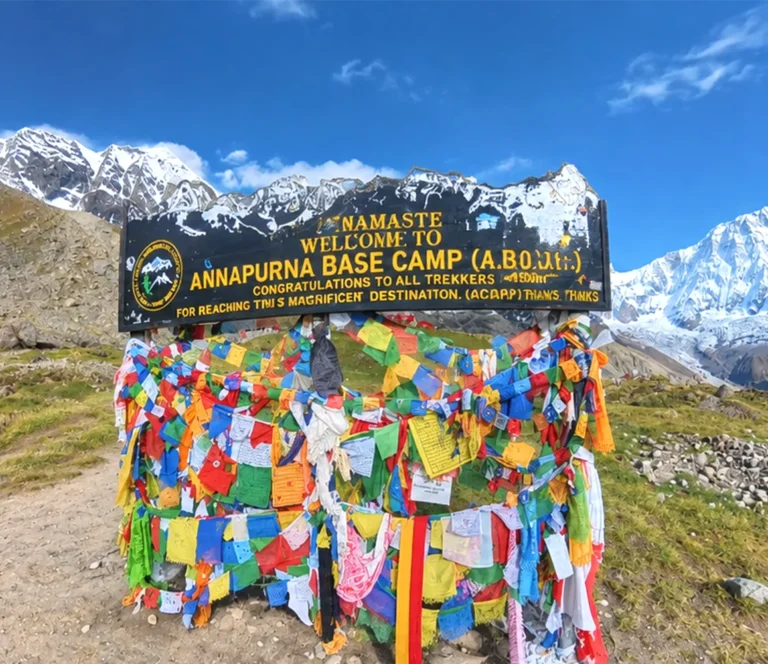
Annapurna Base Camp Trek 2027 2028
NextAwards and Achievements
Access Nepal Tour and Treks has been recognized with TripAdvisor’s prestigious Travelers’ Choice Award for multiple consecutive years, reflecting our unwavering commitment to quality and clients’ satisfaction.




Leave Your Comment