


Why Nepal is Budget Travel Destinations in Asia?
- Places
- Edited By: Ayesha Sapkota .Updated on: 29 Jul 2026
Nepal is one of the most jaw-droppingly beautiful countries on earth, which is also known for budget travel destinations among different countries in Asia. The incredible secret is that you can experience all of it for next to nothing. Here is your complete guide to budget travel in Nepal.
There is a moment that happens to almost every traveller who arrives in Nepal for the first time. You step out of Tribhuvan International Airport into the organised chaos of Kathmandu, the smell of incense and diesel and marigolds hitting you simultaneously, and you check the price of your taxi to Thamel. It costs about $3.50. Then you check into your hotels, and a clean, perfectly comfortable private room is $8–9 a night. Then you sit down for your first dal bhat, which is the legendary Nepali meal of rice, lentils, curried vegetables, and pickle that comes with unlimited refills, and the entire thing costs $1.80.
That is the moment you realise Nepal is different. This is a country where your money does not just go far; it goes extraordinary distances. A budget of $25 to $30 per day in Nepal is not roughing it. It is living well, eating delicious food, sleeping comfortably, and experiencing some of the most remarkable landscapes, cultures, and adventures on the face of the earth.
If your are planning to visit in Pokhara, here is the guide to things to do in Pokhara.
Why Nepal is the Ultimate Budget Travel Destination?
Before we get into the specifics, it is worth understanding why Nepal is so affordable — because it is not simply poverty. Nepal has a genuinely low cost of living built around a culture of hospitality and an economy that has been welcoming budget travellers for over fifty years.
The teahouse trekking system — a network of family-run lodges along every major trekking route — was specifically designed to allow travellers to walk through the Himalayas without tents or cooking equipment, stopping each night at a family home for a bed and a meal. This infrastructure keeps costs astonishingly low while simultaneously pumping money directly into mountain communities.
In the cities and towns, local restaurants called bhatti or chiya pasal serve enormous meals for prices that would make a Western street food stall blush. Public transport, while occasionally adventurous, is genuinely cheap. Entrance fees to temples, national parks, and heritage sites are modest by international standards. And Nepal has no alcohol culture built around expensive bars a cold bottle of Everest or Gorkha beer at a local teahouse costs about £0.80.
The simple truth is that Nepal rewards those who travel locally, eat locally, and move at the unhurried pace of the mountains.
Tentative Daily Budget Breakdown for Nepal
| Category | Shoestring Budget | Comfortable Budget | Mid-range Budget |
| Accommodation | $4–8 | $9–18 | $20–45 |
| Food(3 meals) | $4–6 | $7–12 | $13–25 |
| Transport | $1–4 | $4–10 | $10–25 |
| Activities/ Entry Fees | $1–4 | $4–10 | $10–25 |
| Miscellaneous | $1–3 | $2–5 | $5–10 |
| Daily Total | $11–25 | $26–55 | $58–130 |
The sweet spot for most budget travellers is the comfortable budget tier around $30–45 per day, which allows for a private room, three good meals, occasional activities, and local transport without any sense of deprivation whatsoever.
How to Reduce Cost of Travelling in Nepal? 15 Tips
1. Eat where the locals eat
The single most effective way to cut your food budget in Nepal is to avoid tourist restaurants with laminated picture menus and eat at local bhattis and chiya pasals instead. The same dal bhat that costs £2.50 at a Thamel tourist restaurant costs £1.20 at the local place around the corner where the construction workers and shop owners eat. The food is often better too.

Dal Bhat
2. Always order dal bhat with refills
Never order à la carte when dal bhat with unlimited refills is available. It is the cheapest and most filling meal on any menu in Nepal and the refills are genuine — ask for more rice, more dal, more curry as many times as you like.
3. Travel by local bus, not tourist bus
The local bus from Kathmandu to Pokhara costs £4–6 versus £8–12 for the tourist bus. Over the course of a trip with multiple intercity journeys, this adds up significantly. Yes, local buses are slower and less comfortable. They are also significantly more interesting.
4. Book teahouses directly on arrival
On most trekking routes, showing up at a teahouse and asking for a room is perfectly normal and often gets you a better price than booking through an agency or app in advance. The system is built on flexibility and direct negotiation.
5. Carry a reusable water bottle and use purification tablets
Buying bottled water on a three-week trek adds up considerably. A water bottle with a built-in filter or a pack of purification tablets costs a few pounds and saves you £1–2 per day across the entire trek. On the Annapurna Circuit alone this could save you £20–30.
6. Hire a porter rather than booking a guided package
If you are trekking independently and just want help carrying your bag, hiring a local porter directly in the trailhead village costs significantly less than booking a guided package through a Kathmandu agency. A local porter typically charges £10–14 per day; the same service through an agency might cost £20–30.
7. Use ride-hailing apps in Kathmandu and Pokhara
Pathao and inDrive consistently charge 20–40% less than metered taxis for the same journey in both Kathmandu and Pokhara. Download both apps before you arrive.
8. Buy trekking gear in Kathmandu, not at home
Thamel is the global capital of trekking gear — both branded originals and very convincing alternatives. A decent down jacket from a Thamel market costs £15–25. The same jacket from an outdoor retailer at home costs £80–150. Hiking poles, sleeping bag liners, waterproof trousers, thermal layers, headlamps — all available in Thamel at a fraction of Western retail prices.
9. Travel in shoulder season
Nepal has two peak trekking seasons — spring (March to May) and autumn (October to November) — when guesthouses and tours charge their highest prices and accommodation books up quickly. Travelling in late September or early December gives you weather that is nearly as good at prices that are 20–30% lower.
10. Get your permits yourself rather than through an agency
ACAP permits, TIMS cards, and national park entry fees can all be obtained directly from the respective offices in Kathmandu or Pokhara for the standard government price. Buying through a travel agency adds a service charge. The process of getting permits yourself takes about an hour and saves you £5–15.
11. Share jeep and taxi rides
Between smaller towns and on mountain roads, sharing a jeep with other travellers is standard practice and cuts the cost of otherwise expensive private vehicle hire by 60–80%. Ask at your guesthouse — they almost always know who else is heading in the same direction.
12. Avoid buying snacks and chocolate at altitude
The price of a Kit Kat bar on the Annapurna Circuit increases by about £0.30 for every 1,000 metres of altitude gain. Stock up on nuts, dried fruit, chocolate, and energy bars in Kathmandu or Pokhara before you start trekking. The same snacks that cost £5 in Thamel can cost £12–15 by the time you reach high elevation teahouses.
13. Stay in rooms with shared bathrooms
A private room with a shared bathroom at a teahouse or guesthouse typically costs 20–40% less than a room with attached bathroom. At lower elevations where shared bathrooms are clean and well-maintained, this is an easy saving.
14. Haggle at markets — but not at restaurants
Bargaining is expected and entirely normal at souvenir markets, craft stalls, and when hiring private vehicles. It is not appropriate at restaurants, teahouses, or when purchasing official services with fixed government prices. Learn where haggling is expected and you will save meaningful amounts on souvenirs and transport.
15. Cook your own breakfast occasionally
Many budget guesthouses in Kathmandu and Pokhara have simple kitchen facilities or kitchenettes. Buying bread, eggs, and fruit from the local market and making your own breakfast costs around £0.80–1.20 versus £2–3.50 at a restaurant. Over ten days this alone saves £15–25.
Budget-Friendly Transportation in Nepal Kathmandu
Local buses
The cheapest way to travel between cities. Slow, colourful, occasionally chaotic, and almost always an adventure. The Kathmandu to Pokhara local bus costs around £4–6 and takes 6 to 8 hours. The Pokhara to Lumbini bus costs around £3–5 and takes 5 to 6 hours.
Tourist buses
More comfortable and significantly faster. Fixed departure times, reserved seats, and fewer unexpected stops. Kathmandu to Pokhara on a tourist bus costs £8–12 and takes 6 to 7 hours. Still very affordable by international standards.
Shared jeeps
Common on mountain routes and between smaller towns not served by regular buses. Prices are higher per kilometre than local buses but often the only practical option in hill country.
Domestic flights
For routes where the journey by road is very long (Kathmandu to Pokhara) or where a flight is essentially the only option (Kathmandu to Lukla for Everest Base Camp treks), domestic flights are worth considering. Kathmandu to Pokhara by Buddha Air or Yeti Airlines costs around £60–80 and takes 25 minutes. Kathmandu to Lukla costs £125–160 each way.

Domestic flights to reach Budget Travel Destinations
Local transport in cities
Taxis in Kathmandu cost £2–5 for most cross-city journeys. Always use the meter or agree a price before getting in
Ride-hailing apps Pathao and inDrive work in Kathmandu and Pokhara and are often cheaper than flagging down a taxi
Tempos (electric three-wheelers) and local microbuses cost £0.20–0.50 per ride
Renting a bicycle in Pokhara or Lumbini costs £1.50–2.50 per day

Choose local buses to make Nepal a budget travel destination in Asia
Why Nepal is Budget Friendly Destinations in Asia?
Nepal is the cheapest country to visit in Asia for reasons that are structural, cultural, geographical, and philosophical all at once. The teahouse system eliminates camping costs. The currency exchange works dramatically in your favour. Competition between hundreds of family guesthouses keeps prices honest. Dal bhat with unlimited refills costs under $2. The mountains are free. The people consider hosting you a spiritual act rather than a commercial transaction.
Nepal feels so extraordinarily good value is this: the things that money cannot buy in most of the world, like silence, scale, beauty, genuine human connection, the physical satisfaction of earning a view.
Related Packages
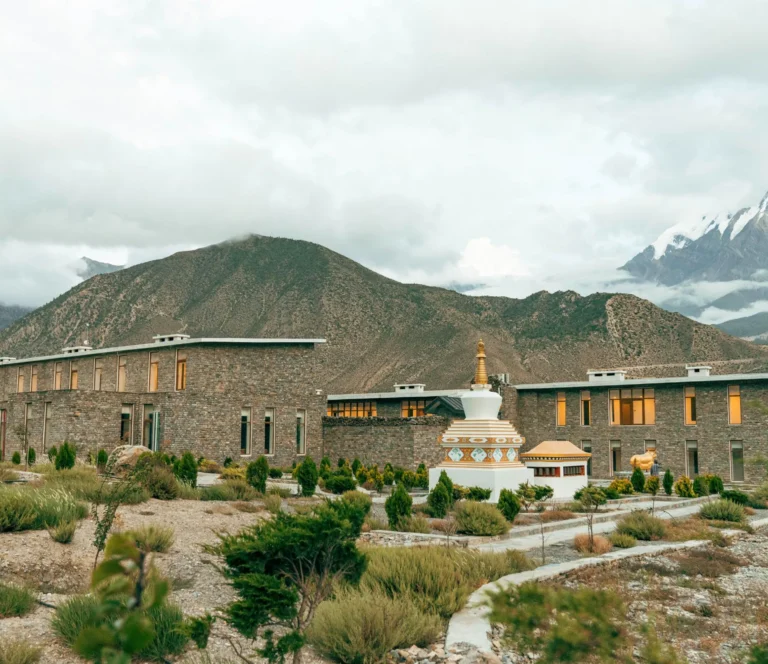
Shinta Mani Mustang Luxury Tour - 11 Days
 2,800 m/ 9,186 ft
 Easy
Easy All
Inclusive Plan
All
Inclusive Plan
You can come to Nepal with $30 a day and leave with experiences that people spending $300 a day elsewhere simply cannot purchase.
That is not just cheap travel. That is one of the best deals in the world. Some of the major reasons Nepal is a cheap travel destination in the world are as follows:
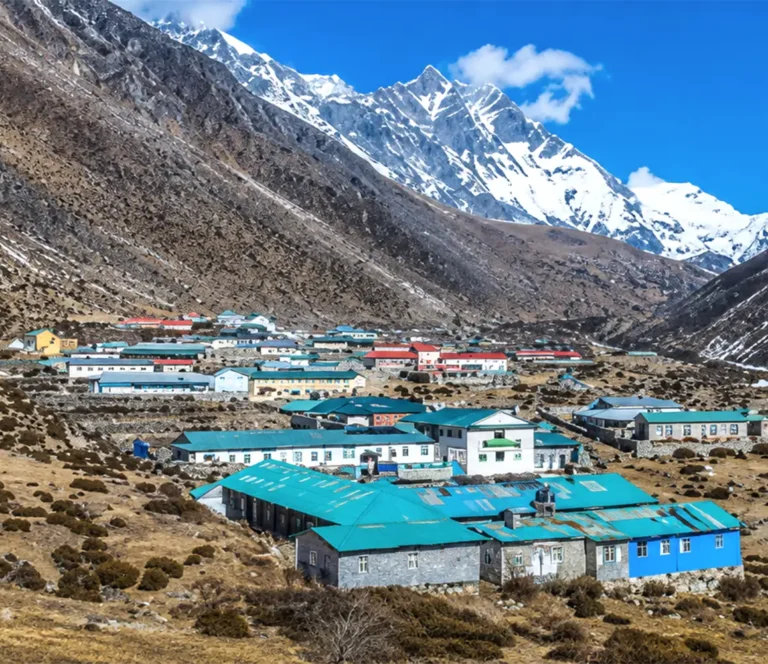
- The teahouse trekking system is a network of family-run guesthouses that lines every major trekking route in Nepa. The most popular trekking routes like, the Annapurna Circuit, the Everest Base Camp trail, the Langtang Valley, the Manaslu Circuit, the Mustang corridor. These treks provides teahouses offer a bed, a hot meal, and a warm dining room to every passing trekker at prices that have remained remarkably stable for decades, which makes Nepal travel budget-friendly.
- Nepal never industrialized tourism, but it humanize. This fundamental structure small-scale, family-owned, community-operated keeps costs low in a way that no pricing strategy could replicate. There are no shareholder returns to satisfy. There is no head office in Singapore or London extracting a management fee. The money you spend stays almost entirely in the community where you spend it, and the prices reflect local costs of living rather than international hospitality industry benchmarks, which is the reason Nepal is the cheapest travel destination in the world.
- The existence of dal bhat as a meal that is simultaneously the local staple, the trekker’s fuel, and the budget traveller’s financial lifeline is one of Nepal’s great gifts to anyone travelling on limited funds.
- Nepal is the land of the Himalayas, and these Himalayas are free. The greatest mountain range on earth, home to eight of the world’s ten highest peaks, does not charge an admission fee. You cannot rope them off. You cannot put a turnstile in front of Annapurna South or charge a viewing fee for the sight of Machhapuchhre reflected in Phewa Lake at dawn. The mountains simply exist, enormous and indifferent and breathtaking, and they are available to anyone who travels to Nepal regardless of budget.
- The Nepali Rupee (NPR) is one of the weakest major currencies in Asia against the US Dollar, British Pound, Euro, and Australian Dollar. This structural reality means that your money in Nepal goes dramatically further than it does almost anywhere else in the region.
- Nepal’s trekking permit fees are among the most transparent and purposeful in the world. The Annapurna Conservation Area Permit ($22) funds conservation work in the 7,629 square kilometres of the Annapurna Conservation Area habitat protection, trail maintenance, community development, and wildlife monitoring. The Sagarmatha National Park fee funds the conservation of the Everest region and the communities within it. These fees are modest by international comparison. For Example, a national park day entry in New Zealand costs $15–20, a daily fee in some African safari parks exceeds $100. The philosophy is that the mountains and the national parks belong to everyone, and access to them should not be restricted by financial means.

Awards and Achievements
Access Nepal Tour and Treks has been recognized with TripAdvisor’s prestigious Travelers’ Choice Award for multiple consecutive years, reflecting our unwavering commitment to quality and clients’ satisfaction.








Leave Your Comment