


Bethanchowk
- Places
- Edited By: Ayesha Sapkota .Updated on: 29 Jul 2026
Just a few hours from the chaos of Kathmandu lies a hilltop that many Travellers still haven’t heard of, which is exactly its charm. Bethanchowk, also called Bethanchowk Narayanthan, is the highest point of the Mahabharat Range.
It rewards the effort of getting there with 360-degree Himalayan views, thick community forest, and a homestay culture that feels a world away from the capital.
This blog covers everything you need to know about Bethanchowk, like location and altitude, how to reach there, what to do once you’re there, the best season to go, and what makes the place and its people genuinely unique.
Bethanchwok Facts
| Facts | Detail |
| Also known as | Bethanchowk Narayanthan |
| District / Province | Kavrepalanchok District, Bagmati Province |
| Mountain range | Highest point of the Mahabharat Range |
| Altitude | Around 3,000 meters above sea level |
| Distance from Kathmandu | Roughly 60 km by road to Dhunkharka, then a hike to the summit |
| Drive time | About 4–5 hours by road to Dhunkharka |
| Hiking Duration | Around 4–6 hours from Dhunkharka to the summit |
| Route | via Banepa, Panauti, Khopasi, Dhunkharka |
| Summit landmark | Narayanthan Temple (dedicated to Vishnu Narayan) |
| Visible Peaks | Everest, Manaslu, Ganesh Himal, Makalu, Langtang, Dhaulagiri, Dorje Lakpa |
| Best season | Autumn and spring (also good in winter; avoid monsoon) |
| Accommodation at summit | None; camping only, no hotels or facilities |
| Religious significance | Annual pilgrimage on Falgun Purnima (Holi Purnima) |
| Typical homestay cost | From around USD 15 per person per day, including meals |
Where is Bethanchowk?
Bethanchowk sits in Kavrepalanchok District, Bagmati Province, in the hills south of the Kathmandu Valley. Locally, the wider area is also known as Dhunkharka, the village that most travelers pass through on their way up.

Location of Bethanchowk on the map of Nepal
What is the height of Bethanchwok?
Bethanchowk Hill is known as the King of the Hills, which is the highest point in the Mahabharat Range. The height of Bethanchwok is around 3,000 meters above sea level. That makes it one of the highest viewpoints accessible from Kathmandu without needing a full multi-day Himalayan trek.
It offers unmatched 360-degree views of the Himalayan range, including Everest, Langtang, and Ganesh Himal.
It gets its fuller name, Bethanchowk Narayanthan, from a small hilltop shrine to Vishnu Narayan. The whole mountain is named after this Narayanthan temple enshrined at the summit, and locals often refer to the peak simply as Narayanthan.
The View From the Top of Bethanchowk Summit
This is really why people make the trip. On a clear day, the summit offers spectacular 360-degree views that include Mount Everest, Manaslu, Ganesh Himal, Makalu, Langtang, and Dhaulagiri — an extraordinary sweep of the Himalaya for a single viewpoint. The Himalayan panorama stretches from Tibetan peaks in the north to the Indian plains in the south, with Dhaulagiri to the west and Makalu to the east, and closer views of Manaslu, Ganesh Himal, Langtang, and Dorje Lakpa.

View from the top of Bethanchowk Summit
On an especially clear day, you can even glimpse the lowlands — stretches of the southern Terai region such as Janakpur or Makwanpur become visible. Sunrise and sunset are considered the highlight of any visit, with cloud seas rolling below the ridge as the light changes over the mountains.
How to Reach? Main Route
Bethanchowk isn’t reachable by a single straight highway — the journey happens in stages, and the final stretch is on foot.
Route: Kathmandu → Banepa → Panauti → Khopasi → Dhunkharka → Bethanchowk Hill
If you are in Kathmandu and want to go for a day hike in Bethanchowk, you can drive to Panauti through Banepa with a private vehicle or local buses, which take around 1.5 hours to reach Panauti from Ratnapark.

Bethanchowk route map
Then from the historic city Panauti, you have to head towards Dhunkharka. If you are on your own vechicle, you can follow the route otherwise, you have to change a local bus or hire a jeep from Panauti to Dhunkharka. The road condition is rougher and remote. The route encompasses Banepa, Panauti and Khopasi before reaching Dhunkharka.
The distance between Kathmandu to Dhunkharka is about 60 km. There is a blacktop road up to Khopasi and a bumpy stretch after Khopasi to Dhunkharka. The full drive takes around 4 to 5 hours.
The last part is up to you foot dhunkharka to the summit. The hike roughly takes 4 to 6 hours depending on the route, pace, and trail difficulty. The hike is easy and fairly diffciult near the summit, where you have to climb steepens over rocky terrain near the summit.
There are two means of reaching Bethanchowk summit: either by local buses or private vehicle or taxi.
- By public bus: A direct bus to Bethanchowk runs from Ratna Park, Kathmandu (Opposite Bir Hospital), departing between 7 a.m. and 3 p.m. Alternatively, take a bus from Panauti Bus Park to Dhunkharka, which costs around NPR 90. If going all the way direct, the direct Ratna Bus Park to Dhunkharka bus starts at 7:00 a.m. with hourly departures from 10:00 a.m. to 3:00 p.m., costing around NPR 170.
- By private vehicle/taxi: A taxi from Kathmandu to a Bethanchowk-area homestay costs roughly NPR 3,500–4,000 one way, and a private jeep can be arranged for about USD 55 one way from Kathmandu or the airport. Note that during the rainy season, taxis often can’t reach all the way to the homestays, meaning a 30–45 minute walk at the end.
A practical tip: Many taxi drivers unfamiliar with the area drop guests short of their actual destination, so it’s worth contacting your homestay host in advance to confirm the exact route and get a local contact number.
Bethanchwok Itinerary Day-to-Day Guide
This is the most common way to do the trip, balancing the drive, the hike, and enough time to properly enjoy the summit.
Day 1: Kathmandu → Dhunkharka → Bethanchowk Summit
Drive from Kathmandu via Dhulikhel and Panauti to Dhungkharka in the morning, then begin hiking up through forest, taking in the diverse flora and fauna along the way. Reach the ridge in the afternoon in time for sunset views, then set up camp for the night — pitching tents and building a campfire makes for a memorable evening on the summit.
Day 2: Sunrise → Descent → Panauti Culture Stop
Wake early for sunrise (the reason most people camp overnight in the first place), then have a simple breakfast before hiking back down to Dhungkharka, followed by a short drive to Panauti to spend some time exploring before heading back to Kathmandu. Panauti itself is worth the stop — it’s known for its Newari heritage architecture, old temples, and traditional homes.
Alternative Itineraries & Routes
1. The Makwanpur Approach (Multi-Day Trek) Instead of the standard Panauti–Dhunkharka route, adventurous trekkers can approach from the west. There’s an alternative route via the Makwanpur side, through Baluwa and Markhu/Chitlang, which turns the trip into a multi-day trek rather than a weekend outing. This is a good option if you want to combine Bethanchowk with the Chitlang/Chandragiri hiking area.
2. The Community Trek Route (via Pataney Khola) Some operators use a slightly different trail out of Dhunkharka: starting near Koteshwor, taking a bus to Panauti and then to Dhunkharka, having lunch and beginning the hike via the Pataney Khola Bridge, then switching onto a scenic shortcut trail that passes through mist-covered forest before reaching the campsite.
3. Bethanchowk + Waterfall Extension: For a longer, more nature-focused trip, some homestays combine the summit hike with a visit to nearby waterfalls, extending the standard itinerary into a broader “camping and waterfall” package around the Tintale and Ratankhola areas near Bethanchowk.
4. Pre-Trek / Post-Trek Training Hike: Because of its accessibility and moderate elevation, many trekking agencies use Bethanchowk as conditioning practice before or after major treks. It’s considered an ideal spot for pre-trek preparation before longer treks like Everest Base Camp, the Annapurna Circuit, Manaslu Circuit, or Upper Mustang, or as a relaxed side trek after finishing one.
5. Short Day-Hike Only (No Camping): If you don’t want to camp, it’s entirely possible to hike up and back down in a single very long day if you start early from Kathmandu, or better, stay the night before in a homestay near Dhunkharka and do the summit push and return the same day.
Best Time to Visit Bethanchowk
Bethanchowk is most favorable to visit during spring and autumn, though nearly every month works well except for the monsoon. Broken down:
Autumn (September–November): The classic season — clear skies, crisp air, and the best odds of unobstructed mountain views. This is generally considered peak season.
Spring (March–May): Rhododendron blooms color the forest trails, and visibility is usually good. Winter months are also considered a good time to visit.
Winter (December–February): Cold at altitude but often very clear. Good for sunrise photography if you’re prepared with warm layers.
Monsoon (June–August): Avoid if possible. Trails get muddy and leech-heavy, and cloud cover usually blocks the mountain views entirely — travelers on the trail during wetter periods have described misty conditions and leeches along the route.
Roads and trails in the area have also been damaged by heavy monsoon rains in the past, so this season carries extra risk for both driving and hiking.
One important caveat regardless of season: Since the whole appeal of Bethanchowk is the mountain view, it’s worth checking the weather forecast beforehand for visibility, humidity, and general conditions — a clear day makes all the difference to the experience.
Things to Do in Bethanchowk
- Sunrise and sunset watching is the single biggest draw, best enjoyed from a camp right on the ridge.
- You can camp on the summit. There are no hotels or facilities at the top of the hill, so you’ll need to bring your own tent and sleeping bag, but it delivers a genuine “into the wild” experience.
- You can visit the Narayanthan shrine, which is the small Vishnu temple at the summit that gives the mountain its full name.
- You can explore village and homestay life there and experience rural Nepali village lifestyle, interacting with locals, and learning about local farming techniques.
- Volunteering: some homestays in the area run volunteer programs, including teaching English to local children and helping restore local infrastructure.
- Yoga and meditation retreats: A few of the farm-stay operations in the area run structured retreat programs alongside the trekking.
- Panauti sightseeing: You can combine the hike with a stop in Panauti to see Newari-era temples and traditional architecture on the way back.
- Anyone who loves photography can capture the layered hills, forest trail, terraced fields, and cloud-sea sunrises, making this a rewarding spot for landscape photographers.

Sunrise watching from Bethanchowk
Local People and Culture
Bethanchowk’s real charm isn’t only the view. The community around it is also a major attraction in Bethanchowk. The area is equally known among local people for the Narayanthan Temple that gave the whole village its name, and the local people are widely described as very friendly and welcoming, offering visitors a genuine window into Nepalese hill lifestyle and culture.
This friendliness shows up in small, specific ways. Guests arriving at village homestays are typically greeted with simple, heartfelt snacks like black tea, popcorn, and gundruk sandheko — a fermented leafy-greens pickle that’s a staple of hill Nepali cuisine.
The region also holds real religious weight for locals, not just tourists. Every year during Falgun Purnima (also called Holi Purnima), local people climb to the summit to worship, and the hill is believed to be a powerful spiritual site where sincere prayers are fulfilled.
Homestays here are largely community-run family businesses rather than commercial hotels. Activities at these homestays range from helping out with agricultural work, to cooking local food, to trekking up to the summit together with hosts.
Several homestay operators, including community-run options in Dhunkharka village and independent farm-stays nearby, position themselves less as accommodation and more as a full cultural immersion.
What Makes Bethanchowk Unique?
- The title of the highest hill in the Mahabharat range is Bethanchowk. So you can get the opportunity to footstep on the highest hills and the viewpoints scattered around the Kathmandu Valley, which is unique and distinguishing.
- Instead of being close to Kathmandu, it is not a genuinely discovered trail and can be explained as wilderness beauty of hills on the trails. It is unexplored compared to other famous hiking spots.
- The route of hike passes through the varieties of flora and fauna in complete nature setting way which means the views are not spoiled by human interference. So, you can study and hike a biodiversity-rich trail.
- It is not only tourist-built attractions. Every year, Falgun Purnima visitors visit bethanchowk means this place have spritual and religious significance.
- Genuine budget accessibility: some local homestays charge as little as USD 15 per person for a full day including meals, making it one of the more affordable Himalayan-view experiences near Kathmandu.
- No infrastructure at the summit: It is not much commercialized, so there’s nothing built at the top. You bring in what you need and camp under open sky, which is rare for somewhere this close to the capital.
Practical Tips Before You Go
- Bring your own camping gear if you plan to sleep on the summit. There are no rental places for the gear.
- Pack for cold nights even in spring and autumn; 3,000m gets genuinely chilly after dark.
- Confirm transport and pickup points with your homestay host in advance for your smooth journey. Most of the taxi drivers who drive in urban areas are not familiar with the area and frequently drop guests at the wrong spot.
- You have to carry cash because this is a rural area with limited digital payment options.
- Check the weather the day before because the entire experience depends on clear skies for the mountain views.
- Consider a local guide or homestay host to accompany the final hike, especially if it’s your first time on the trail, since signage is minimal in places.
- You have to bring leech protection if visiting near monsoon season. It is better to avoid this hike during monsoon season due to the risk of landslides and floods.
Homestays in Bethanchowk
Since there’s no hotel infrastructure at the summit itself, homestays down in Dhunkharka village are the backbone of any Bethanchowk trip
How do the homestays work?
Most homestays in the area are small, family-run setups rather than commercial lodges. This is often literally a room or two inside a local family’s house, or a cluster of simple guest rooms on a working farm. Dhunkharka Homestay, for example, is run directly by a local family, with the parents hosting guests while other family members live and work in Kathmandu.
Rooms tend to be basic and close to nature rather than luxurious, and many properties are grouped together as part of a wider “community homestay” network in the village, so if one house is full, a host will often direct you to a neighboring homestay in the same program.

Homestays in Bethanchowk
Farm-stay style operations, like the well-known Mount Mahabharat Homestay and Retreat. If you want to go a step further you can join in on daily farm activities (planting, harvesting, milking), participate in small welcome ceremonies, and even join yoga or meditation sessions if the property runs them.
Facilities you can expect on Homestays
Rooms: The rooms are simple private or shared rooms, sometimes with an attached bath, sometimes shared facilities. Comfort level varies by homestay, so it’s worth asking in advance if you need a private room.
Wi-Fi: Many homestays now advertise 24/7 Wi-Fi, though signal strength in a rural hill village can still be inconsistent.
Meals: Typically three home-cooked, organic vegetarian meals a day, often farm-to-table from the family’s own vegetable plots.
Hot showers and electricity: Standard at most established homestays, though some are solar or generator-dependent, so hot water isn’t always instant.
Extras: A few properties offer campfires in colder months, stargazing/Milky Way viewing hikes (weather permitting), yoga and meditation space, and help arranging porters or local transport.
What’s usually NOT included: Non-vegetarian food, premium items like paneer or ghee, and firewood/campfires often carry a small separate charge.
Bethanchowk isn’t a polished, tourist-ready commerical raised attraction of Nepal. It’s a genuine hill community where the mountain view happens to be spectacular, where the hospitality is unscripted, and where a religious festival still draws locals to the summit every year regardless of whether any tourists show up.
For anyone based in Kathmandu who wants Himalayan views, a real village stay, and a moderately challenging hike without committing to a multi-week trek, Bethanchowk is one of the best-kept options within a few hours of the city.
If you do not have long days to stay in Nepal and still have wishes to visit the hills and mountain views of Nepal, the Bethanchowk hike is the best package for you. We can customize this as per your days, time, and interest to make a 100% tailor-made package. We have other options for hiking in Nepal, such as the Phulchoki hike may suit you.
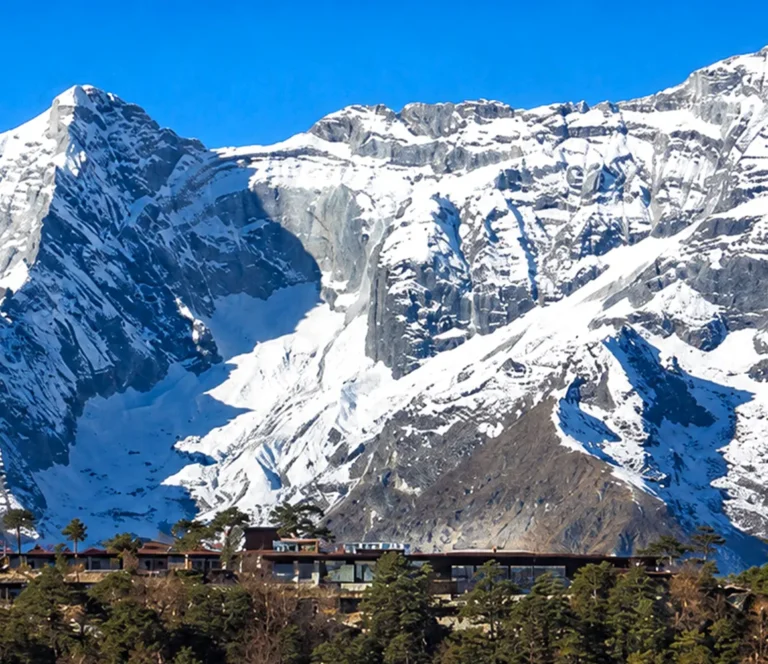
Experience Hotel Everest View at 3,880 Meters in the Everest Region
Prev
Shinta Mani Mustang Named World's Best Luxury Hotel by Robb Report
NextAwards and Achievements
Access Nepal Tour and Treks has been recognized with TripAdvisor’s prestigious Travelers’ Choice Award for multiple consecutive years, reflecting our unwavering commitment to quality and clients’ satisfaction.








Leave Your Comment