

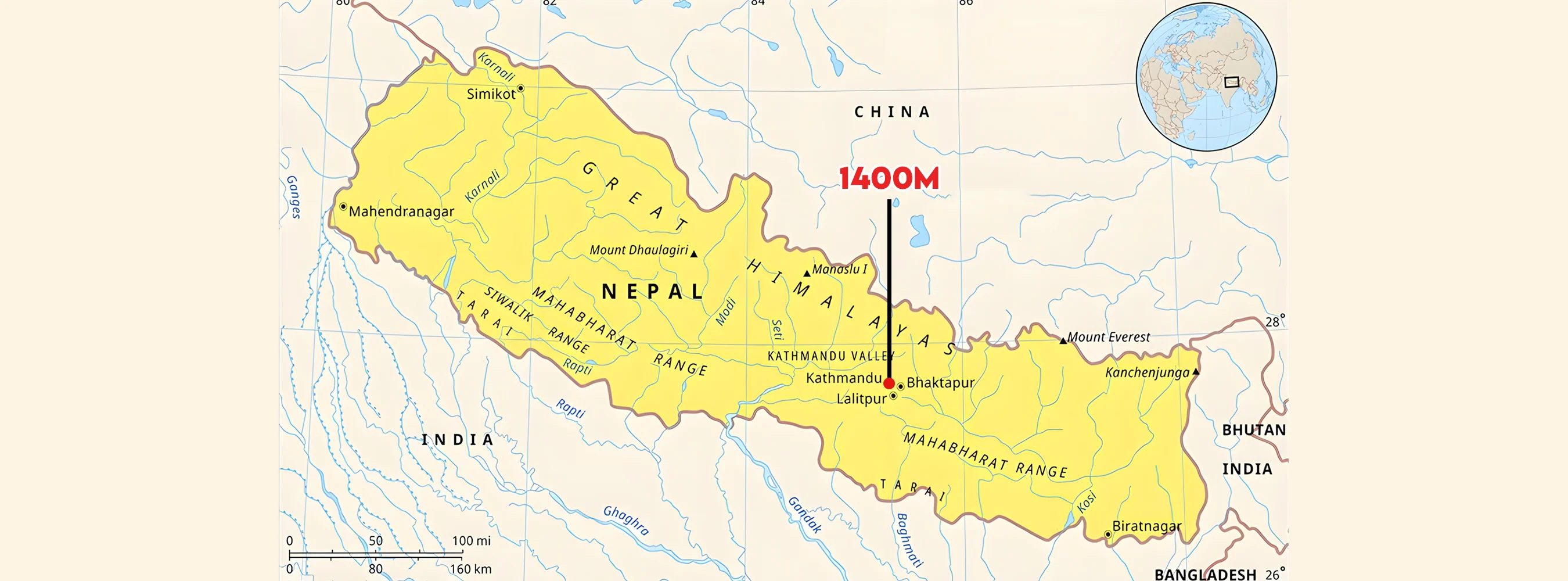
Kathmandu Altitude
- Places
- By Shrijan budhathoki
The Kathmandu altitude has always been a major concern for all the visitors. But it is the safest city in Nepal with perfect weather for travel and a place that offers religious temples, mountains, and ancient history to explore. It is also the starting point of the most highlighted trekking destination of Nepal, the Everest Base Camp trek.
Most popular things to do in Kathmandu, which are most popular and no one misses the opportunity are incredible historical places to visit in Kathmandu like Kathmandu Durbar square, Patan durbar square, Bhaktapur durbar square.
The lowest Kathmandu altitude is around 1,200 meters above sea level, and the highest is around 1,600 meters above sea level. The religious and the biggest temple dedicated to Lord Shiva, Pashupatinath, is located on the bank of the Bagmati River, around 1,290 meters above sea level, and Swayambhunath Stupa is around 1,336 meters above sea level.
The world’s largest stupa, located in Boudhanath, is around 1,400 meters above sea level. Kirtipur, the crowded place of Kathmandu, is located around 1,500 meters above sea level. The Tribhuvan International Airport is the first destination, located at 1,338 meters above sea level. So we can say the Kathmandu altitude is around 1,400 meters above sea level.
Is the Kathmandu altitude considered high?
The Kathmandu altitude is not considered high, as it is located below 1,500 meters above sea level. The altitude below 1,500 meters is considered low, and the oxygen level is more than enough for the human body, so AMS is uncommon. When you reach a height above 1,500 to 2,500 meters above sea level, it is considered moderate, and you will notice a decrease in oxygen level, causing symptoms of AMS.
When you reach an altitude of above 2,500 to 5,000 meters above sea level, you will notice having more difficulty breathing because the atmospheric pressure decreases and the oxygen percentage drops significantly compared to sea level. Above 5,000 meters, the oxygen level drops more than half compared to sea level, causing different symptoms of AMS, and if not treated in time, it can be dangerous.
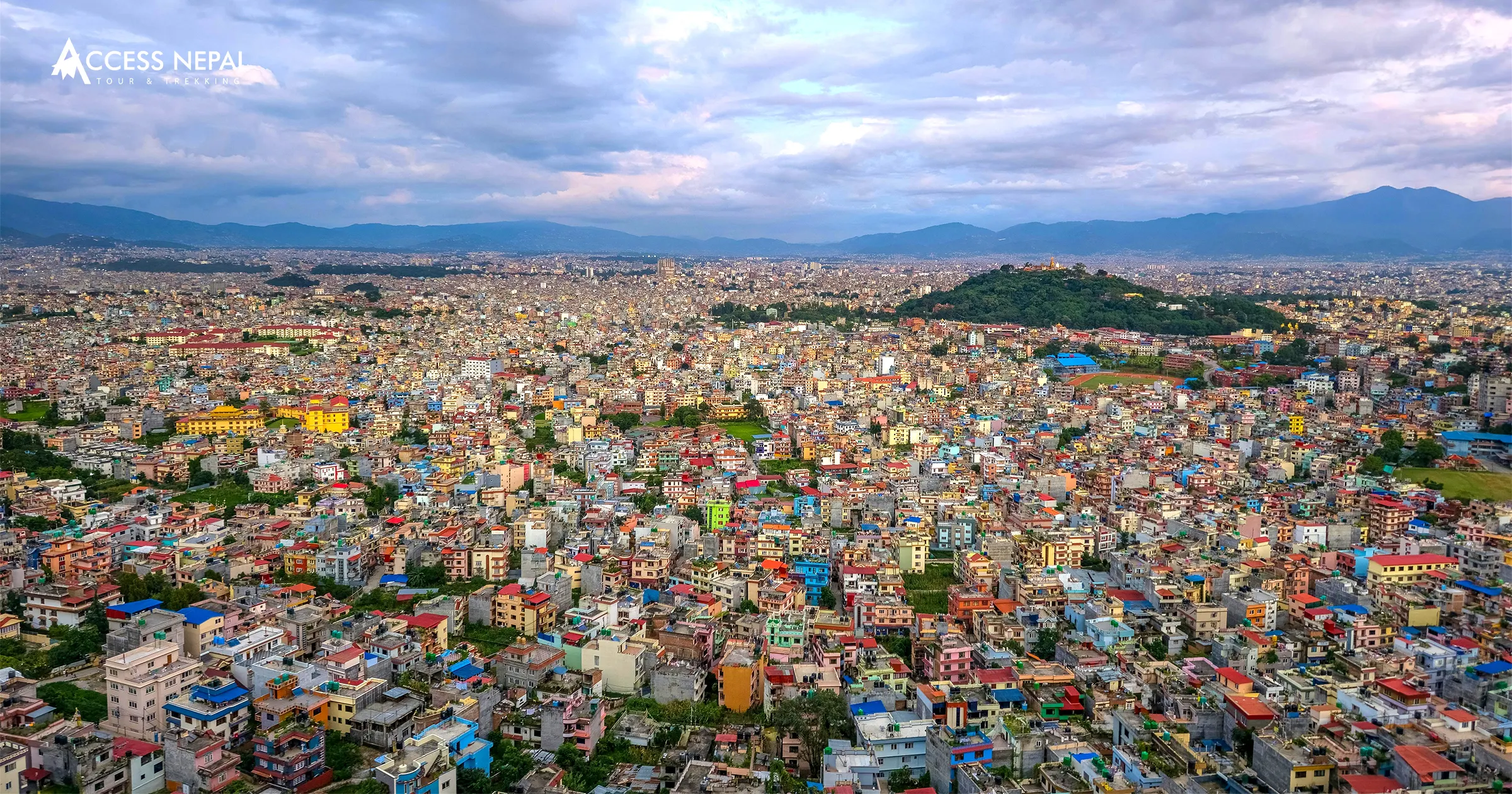
Kathmandu Valley
The Kathmandu altitude is high compared to other capital cities. But it falls under the low altitude with a low risk of suffering from symptoms of AMS. The physically fit and healthy adults, children, and kids can easily explore Kathmandu without any problem. But your body might need a few days to adjust to the new environment and weather.
Kathmandu Valley Geography
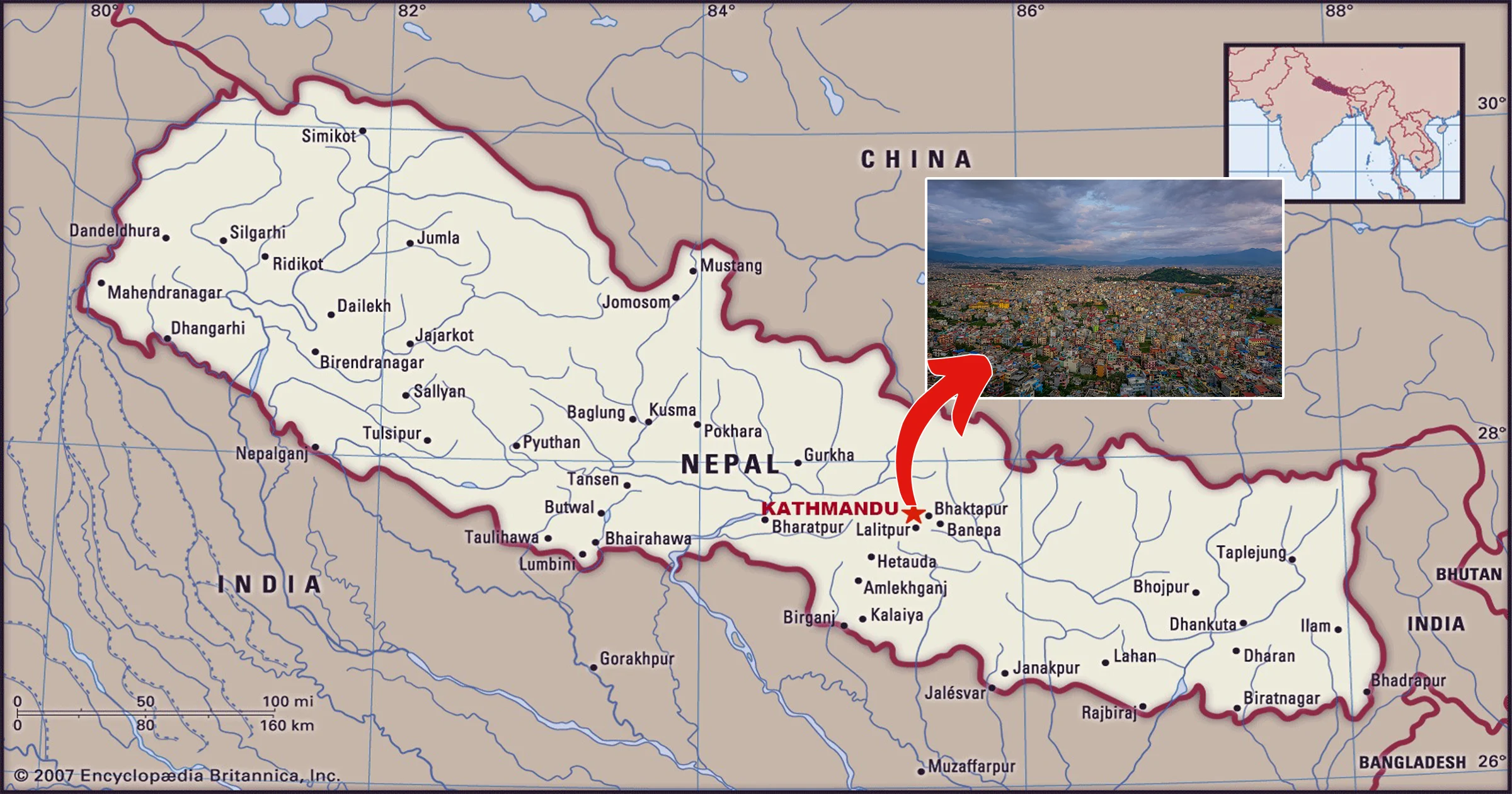
If you want to understand the Kathmandu altitude, you must know about its geographical structure. The land of the Kathmandu Valley is an oval shape covering 25 kilometers from east to west and 19 kilometers from north to south. And the Kathmandu altitude is about 1,400 to 1,600 meters above sea level.
Kathmandu Valley
The entire valley is surrounded by hills, forming a circular edge around the lower elevation. These hills rise to around 2,000 and 2,800 meters above sea level. Beyond these tall hills, you can explore the great Himalayan Range, which can be seen on a clear day. The winter morning in Kathmandu offers an opportunity to enjoy the view of majestic mountains like Ganesh Himal, Langtang Lirung, and Shisha Pangma.
A Valley Born from a Lake
According to the ancient stories of Buddhist and Hindu legends, Kathmandu Valley was previously a very large freshwater lake that was formed by cutting a cliff with the sword of the god Manjushri. The modern geology supports the legend at this point because in the Pleistocene epoch, the valley was indeed covered with a huge amount of freshwater lake and the flat, fertile land for over thousands of years.
The Bagmati River that runs through the valley and by Pashupatinath is the river that cut the drainage point for the valley, and then the lake was drained to leave an uninhabitable basin. The history of the area explains how Kathmandu’s floor has such an extraordinary degree of flatness when compared with something that should have been formed by the rising of the Himalayas.
Kathmandu provides trekkers and mountaineers the opportunity to explore different trails and new adventures. Nagarkot is only 2,175 meters high and located on the east side of the valley, from where you can enjoy the most famous sunrise views of the Himalayas. Chandragiri is located 2,551 meters above sea level, and on the opposite side of the valley is Shivapuri, located 2,732 meters above sea level.
Can you get AMS at the Kathmandu altitude?
Yes, you can suffer from AMS at the Kathmandu altitude. But if you are physically fit and do not suffer from any disease related to the lungs and heart, it is unlikely you will suffer from any symptoms of altitude sickness. The Kathmandu altitude is around 1,400 meters above sea level, and the risk of AMS starts above 2,500 meters above sea level.
But you will need a few days to get used to its weather and environment if you have no experience staying in higher places. The tourists from cities like London, Singapore, New York, and Sydney are located all at or near sea level. These people may feel a little uncomfortable for 24 hours in the new environment, but as time goes on, they will start to feel more comfortable traveling around.
Who is likely to suffer from the Kathmandu altitude?
People with poor physical health are likely to suffer from AMS. People suffering from diseases like asthma, chronic obstructive pulmonary disease, known as COPD, or any diseases related to the lungs. They can suffer from major symptoms like fatigue, headache, and difficulty in breathing, so they must consult a doctor before traveling
The young children and older adults are also sensitive to altitude changes. Most of the healthy children and adults will be perfectly fine, but those who are suffering from cardiovascular conditions might need medical support. You must not engage in activities like climbing and trekking for 24 hours before because it can trigger the symptoms of AMS.
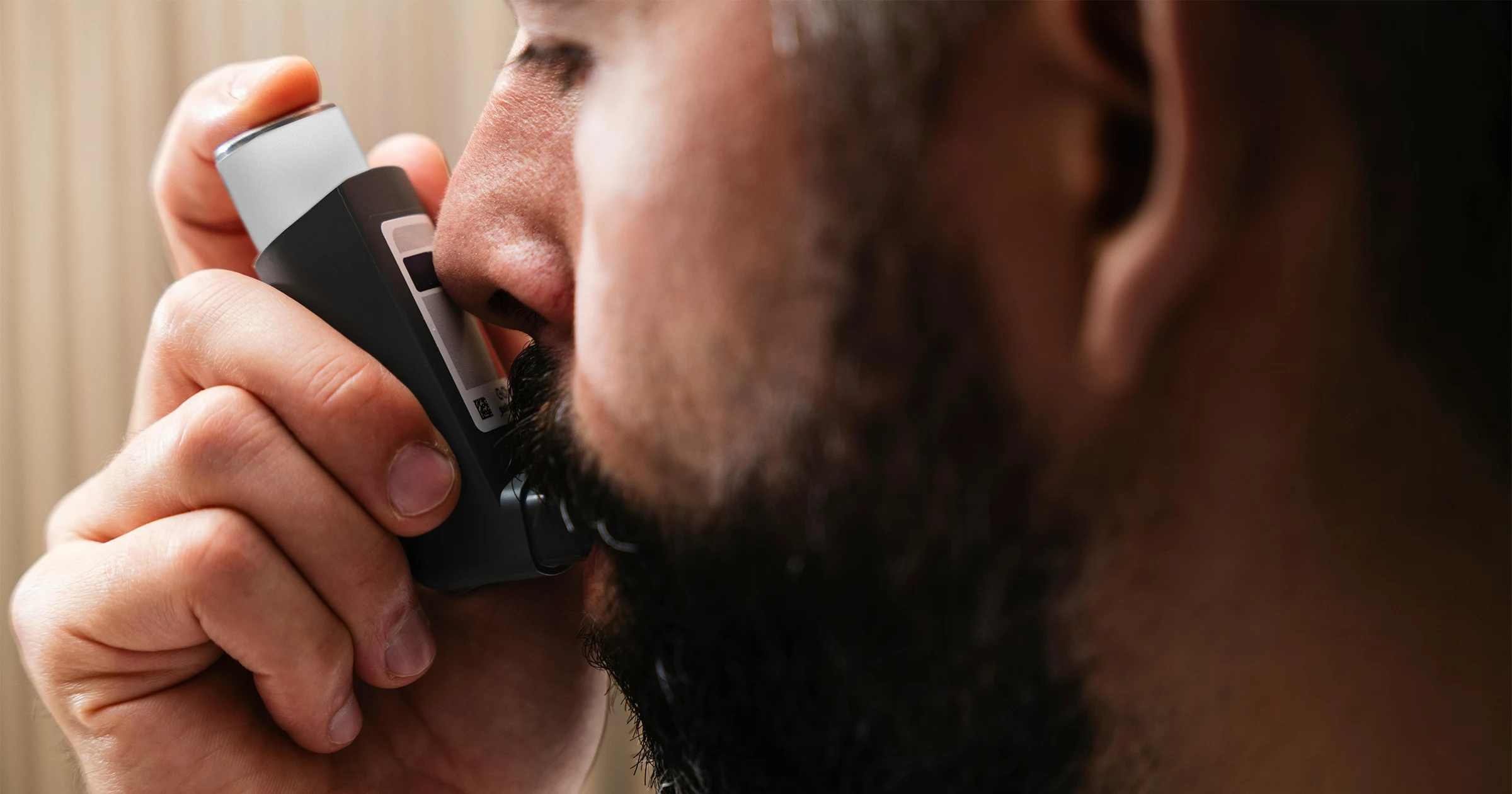
Many trekkers visit Kathmandu for trekking and climbing, as Nepal is one of the most popular destinations for high-altitude adventure seekers. Nepal offers the most popular trekking trails, like the Everest Base Camp trek and the Annapurna Base Camp trek, located above 5,000 meters above sea level. The Kathmandu altitude is only 1,400 meters above sea level, so it is rare for healthy adults and children to suffer from AMS.
Symptoms of AMS at the Altitude of Kathmandu
Understanding the symptoms related to altitude is important before traveling to Kathmandu. If you are suffering from any lung-related disease, it is very important that you consult your doctor and follow the proper medical care. If altitude sickness is not treated in time, it can permanently damage your organs and can be life-threatening.
Your body will need a day to adjust to the new environment. Even the smallest mistakes or carelessness can take your life or damage your organs. You will notice symptoms like a headache, difficulty breathing, digestive problems, sleep problems, fatigue, hallucinations, or disrupted sleep. If you notice any of these symptoms, you must visit the health post near you and follow all the medical support.
It is uncommon to suffer from serious AMS at the Kathmandu altitude if you are physically healthy and fit. But sometimes it is difficult for the human body to adjust to a new environment. So if you suffer from more significant symptoms like a headache that can’t be cured by paracetamol, nausea, vomiting, fatigue from normal physical activities, dizziness, and lightheadedness.

Stay Hydrated
If you suffer from any altitude sickness symptoms, you must drink 3 to 4 liters of water and rest properly. But if you are suffering from any lung disease, even a slight increase in altitude can be dangerous. The symptoms include severe headaches, inability to walk, fatigue, ataxia, hallucination, drowsiness, unstable mental health, cough, and shortness of breath. If you face any of these symptoms, you must seek medical attention and get treated as soon as possible.
How to Acclimatize to the Kathmandu Altitude?
In the first 24 to 48 hours, many travelers will find it difficult to adapt to changes in weather and temperature and take time to adjust their bodies to the new environment. Here are a few tips you can use to adjust to the Kathmandu altitude as a newcomer.
On arrival day
On the first day, you must take your journey slowly and not rush to places with high climbing and walking. Do not rush to the 365 stairs of Swayambhunath, inclined Bouhanath, or run through the busy roads of Thamel. Your body needs a certain amount of time to get used to an environment with a lower oxygen level, so take easy walks, eat well, and rest before starting your journey. The few tips for your arrival day.
After arriving at Tribhuvan International Airport, you must reach your lodge and get the proper rest. The body will take time to adjust to the new weather and temperature. On your first day, you must avoid smoking and alcohol because alcohol will suppress your body’s ventilatory function. Keep your body hydrated and drink plenty of water every day. You must consume foods that keep you energetic and are easy to digest. You must sleep with your head tilted, and do not take any sleeping pills if you feel uncomfortable while sleeping.
Hydration
The air in Kathmandu is dry and polluted, especially from October to April. The dry air decreases the moisture from your body very fast from breathing and sweating more than normal. Your body will feel more dehydrated, and you may even face several symptoms of altitude sickness. So you must keep yourself hydrated and drink 3 to 4 liters of water every day to avoid altitude sickness.
Exercise and physical activity
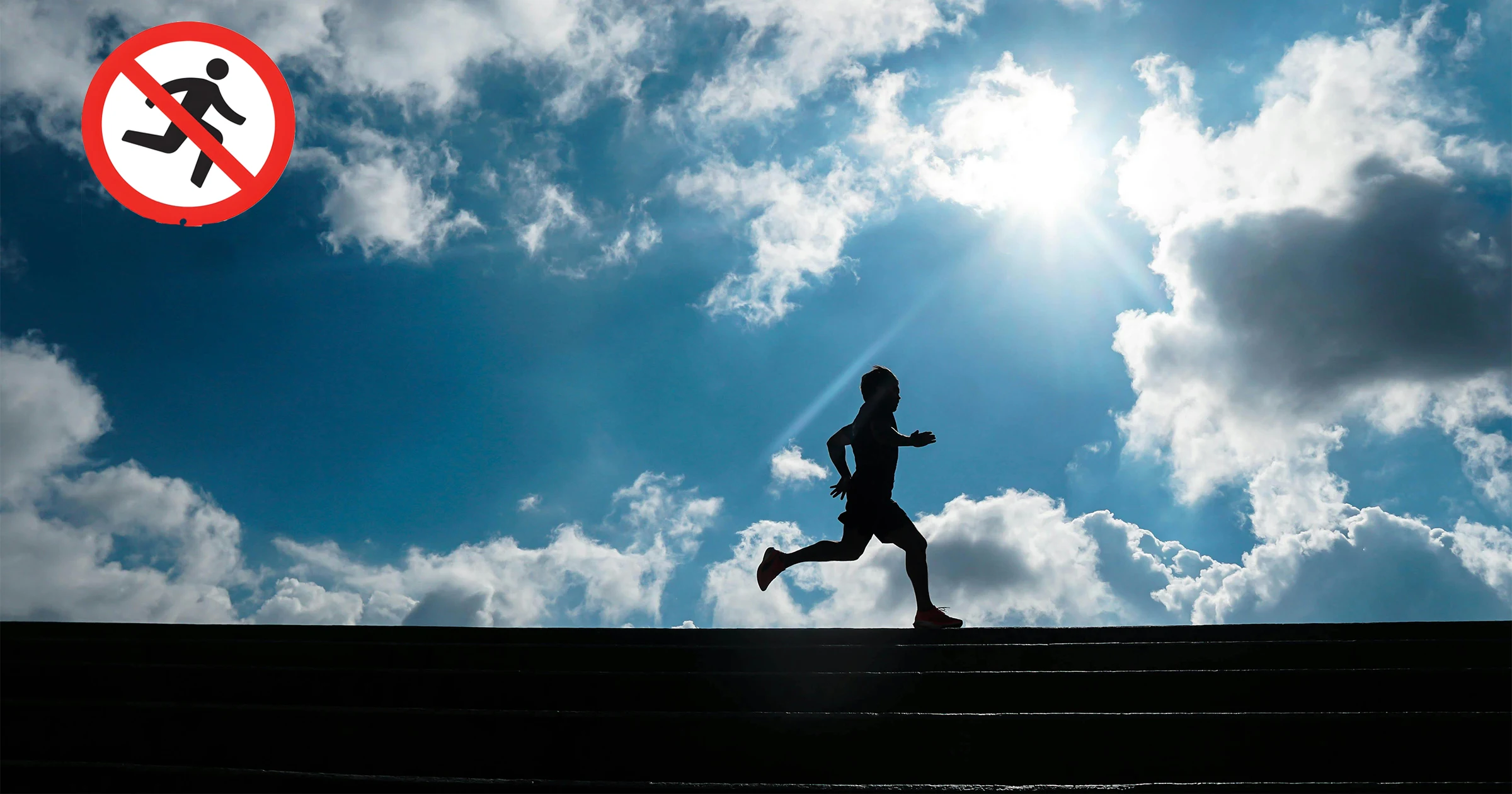
During the first two days, you must not engage in any physical activities related to climbing, running, or trekking. Your body needs time to adjust to altitude, so you can do a short walk to train your lungs to function without using too much oxygen. After the night, you can travel to places like Nagarkot or your desired destination.

Exercise and physical activity
Do you need medications at the Kathmandu altitude?
Acetazolamide, also known as Diamox, is often used to prevent altitude sickness. But the Kathmandu altitude is around 1,400 meters above sea level, so it is usually not needed or recommended for healthy adults and children. But if you are trekking at a higher altitude for 24 to 48 hours, doctors may advise you to start Diamox.
How the Kathmandu altitude shapes the Climate
Kathmandu is located at 1,400 meters above sea level, so it has a moderate climate compared to the southern part of Nepal. But it does not face extreme cold, unlike the higher places found in the Himalayas. The Kathmandu altitude offers the most suitable climate for visitors to explore without any problems.
Spring starts in March and lasts till May, and autumn starts in October and lasts till November. The temperature is around 24 to 28 degrees Celsius. This time period offers warm temperatures with forests filled with colorful flowers like rhododendrons in higher places. The Monsoon starts from June and lasts till September. The temperature is around 20 to 28 degrees Celsius. Winter starts from December and lasts till February, with temperatures around 6 to 18 degrees Celsius.
Air quality at the Kathmandu altitude
The capital city of Nepal, Kathmandu, is the most crowded city, filled with a large population and vehicles. The construction of tall buildings and other pollution make Kathmandu’s air quality poor compared to other cities in Nepal. So you might feel very uncomfortable in the spring, autumn, and winter seasons when traveling without wearing a face mask. The monsoon rain clears the sky and covers the environment with high-quality fresh air.
Nepal is popular for its trekking destinations and for its cultural value. Many travelers visit Nepal to enjoy the high altitude adventure, and all of them are much higher than Kathmandu’s altitude. The starting point of the most popular trekking destination, the Everest Base Camp trek, is located 2,860 meters above sea level. The Langtang Valley trek begins at Syabrubesi, located 1,550 meters above sea level.
If you are planning to explore Kathmandu, the Base Camp trek, or any expedition, you can reach our Access Nepal team, and we will provide you with the best facilities for your travel. We will take care of all the permits, transportation, food, accommodation, and other logistical things. A professional travel guide will join you for your journey to keep you safe throughout your adventure. We will provide you with a very budget-friendly cost without compromising the comfort of your journey.
FAQs
What is the exact Kathmandu altitude?
The Kathmandu altitude is officially 1,400 meters above sea level, and the first destination of your journey is Tribhuvan International Airport, located at 1,338 meters above sea level. The different places near Kathmandu Valley range from 1,200 meters to 1,800 meters above sea level, depending on location.
Can you get AMS at the Kathmandu altitude?
If you are physically fit and free from diseases related to the lungs, Acute Mountain Sickness, known as AMS, is very uncommon. According to the research, the symptoms of altitude sickness start at 2,500 meters above sea level and 5,000 meters above sea level. AMS is very common.
What are the symptoms of altitude sickness?
The symptoms of altitude sickness or AMS are nausea, headache, hallucination, vomiting, fatigue, and difficulty breathing. If you are suffering from any of these symptoms, ask your medical team or visit the nearby health care for instant treatment.
Is Kathmandu’s altitude considered high?
No, the Kathmandu altitude cannot be considered high.
Do I need altitude sickness medication for Kathmandu?
If you are physically fit, you will not require altitude sickness medication for Kathmandu because you will start to adapt to its environment within 24 to 48 hours.
How does Kathmandu’s altitude affect sleep?
Due to a sudden change in weather, climate, altitude, temperature, and oxygen, you feel uncomfortable while breathing in your sleep. You must avoid any trekking, climbing, running, and alcohol products for the first 24 to 48 hours after your arrival.
Is the air thin in Kathmandu?
The oxygen level in the air is around 85% of the oxygen available at sea level. You will not notice the thin air in Kathmandu because you have more than enough oxygen to function your respiratory organs properly.
What is the highest point in the Kathmandu Valley?
The highest point in the Kathmandu Valley is Shivapuri peak, located at 2,732 meters above sea level, and Nagarkot, located at 2,175 meters above sea level.
How does the altitude in Kathmandu compare to that in Pokhara?
Pokhara is located around 850 meters above sea level, which is lower than Kathmandu’s altitude. But Pokhara is also a major attraction for adventure seekers because it attracts thousands of tourists every year.
What is the best season to travel to Kathmandu?
Spring and autumn are the best seasons to travel to Kathmandu because it offers the best weather and environment for visitors to easily explore the capital city of Nepal and also join different high-altitude adventures.


Awards and Achievements
Access Nepal Tour and Treks has been recognized with TripAdvisor’s prestigious Travelers’ Choice Award for multiple consecutive years, reflecting our unwavering commitment to quality and clients’ satisfaction.













Leave Your Comment