


Badimalika
- Places
- Edited By: .Updated on: 24 Aug 2026
If you are looking for a place in Nepal that feels peaceful, remote, spiritual, and still far from the usual tourist crowds, Badimalika is a destination that will be very suitable for you.
Badimalika is in the extreme west of Nepal and is known for the sacred Badimalika Temple, beautiful highland fields, mountain views, colorful flowers, and its high religious significance. The journey to Badimalika is not easy, but this is what makes it special too. The temple is not just entered but walked through remote hills, forests, villages, and open grasslands until you arrive at this high-altitude pilgrimage destination.
The site of Badimalika is particularly significant for Hindu pilgrims and also offers an interesting alternative to more popular and visited areas of Nepal for those looking to see another side of the country.
Here we will be discussing Badimalika’s location, Badimalika’s height, the Badimalika trek, the history of Badimalika Temple, how to reach Badimalika, the best time to visit Badimalika, cost, and important travel information.
Badimalika: Quick Overview
| Information | Details |
| Destination | Badimalika |
| Main attraction | Badimalika Temple |
| District | Bajura |
| Province | Sudurpashchim Province |
| Municipality | Triveni Municipality |
| Temple elevation | About 4,219 meters |
| Main trekking point | Martadi |
| Trek from Martadi | Around 3 days |
| Nearest major airport | Dhangadhi Airport |
| Best overall trekking period | Spring and autumn |
| Main festival | Janai Purnima |
| Trek style | Camping and remote trekking |
Where Is Badimalika Located?
Badimalika is located in the Triveni Municipality of Bajura District in Sudurpashchim Province, western Nepal.
The Badimalika Temple is located in a high mountain region bordering Bajura, Achham, Kalikot, and Jumla. The surrounding scenery is completely different from the popular trekking zones around Kathmandu, Annapurna, or Everest.
The area features open grassland, forest, mountainsides, rivers, and views over the far western hills. The landscapes become especially beautiful during the flowering season and make the journey as interesting as the temple itself.
The region also has geographical significance as it is near the Budhi Ganga and Karnali river.
What is the height of Badimalika?
According to the Government of Nepal’s Film Development Board (FDB), the Badimalika Temple is 4219 meters above sea level.
In this altitude range, travelers have to pay attention to the altitude. The hike must not have to be rushed, particularly when coming from the lowlands or Kathmandu. One of the other reasons the Badimalika area is so different is its high elevation. It ranges from the lower hills and forests to open mountain scenery and high meadows.
What is Badimalika Temple?
Badimalika Temple is a Hindu pilgrimage temple dedicated to a goddess named Badimalika, who is associated with Goddess Bhagwati, also known as Ghrishneshwari and Goddess Kali.
It is one of the significant religious sites in the far western region of Nepal. Badimalika is listed as a pilgrimage center for Goddess Kali by the Nepal Tourism Board and is mentioned in the religious practices outlined in the Skanda Purana and Swasthani Brata Katha.

Badimalika Temple is one of the most sacred pilgrimage sites in Nepal
Badimalika is a holy site for devotees to offer their prayers and make their vows. It is a significant temple during religious festivals, especially Janai Purnima, when many pilgrims visit the area.
Badimalika is not limited to religion. It is also a fascinating place for people to hike and enjoy the natural world, as the surrounding highland terrain, open meadows, flowers, forests, and mountain vistas make it an interesting place to visit.
History of Badimalika Temple in Detail
The traditions and stories of Badimalika Temple are made up of a mix of religious concepts and local oral history as well as temple construction and renovation records. It is important to separate religious beliefs from historically documented events.
The Religious History of Badimalika
Badimalika is related to Sati Devi and Lord Shiva as per Hindu religious belief.
According to the traditional story, Sati Devi died because of the pitiful circumstances surrounding her father Daksha’s religious sacrifice. Lord Shiva then carried her body, and he roamed the earth. The Shakti Peetha tradition is that the part of Sati’s body that fell on sacred sites eventually became important centers of Shakti worship. It is believed that the fallen part of Sati Devi is Sati’s left shoulder.
Badimalika is associated with the religious belief of the seven important goddesses of far western Nepal, and Badimalika is the eldest of them.
These tales are a part of religion and culture. It should not be put forward as proof of the origin of the temple from an archaeological history of archaeology.
When Do Visitors Mostly Visit Badimalika?
The largest number of visitors come to Badimalika around Janai Purnima, when the annual religious fair and main worship take place at the Badimalika Temple. The main puja takes place on the day before Janai Purnima which is also known as Shravan Shukla Chaturdashi.
It’s the busiest time of the year by far. The local authorities reported that over 45,000 people attended Badimalika during the festival in 2025, according to news reports from Radio Nepal and other Nepal news outlets. The pilgrims were from various parts of Nepal and neighbouring regions of Indian. The increase in visitors is mainly connected to the religious importance of Janai Purnima.
Why is Badimalika important?
Badimalika has several points of importance. First, it is a major religious site. The region is a popular pilgrimage site, especially on major festivals.
Secondly, it is a culturally significant species to western Nepal. The temple is deeply intertwined with the local customs, beliefs, and folklore that have been transmitted over the years.
Thirdly, the natural scenery is superb. Unlike the more famous trekking routes in Nepal, the Badimalika trek has a very different character with the highlight being the high landscape, forests, flowers, hills, and distant views of the mountains.
Last but not least, Badimalika is an opportunity to witness a relatively undeveloped and less touristy Nepal. If you’re seeking something off the beaten path, there’s a lot that’s quite different here.
What Can You See During the Badimalika Trek?
The Badimalika Trek is not only for reaching the famous Badimalika Temple. This is a route through remote villages, forests, highland meadows, rivers, and mountain landscapes. While traveling, you will be able to enjoy the religious culture and natural beauty that is unique to this part of western Nepal, away from the busier trekking areas.
Badimalika Temple
The Badimalika Temple is the main point of the trek and the most important temple. The temple is located at a high altitude in the Bajura district and is dedicated to the goddess Malika, also known as Kali and Bhagwati. The site is considered a sacred Shakti Peetha, and pilgrimages are held on this site primarily during Janai Purnima.
While the temple itself is significant, the journey to reach it is also a part of the experience. After several days of walking through the remote mountain landscape, arriving at the temple gives the journey a strong sense of purpose. People can witness religious ceremonies, see religious worshippers performing prayers, and enjoy the serenity of this high-altitude shrine. Visitors should be aware that this is a working religious site, so good manners are necessary.
Highland Grasslands
The trek includes some of the most beautiful highland grasslands in Badimalika. As the trail climbs higher, dense forests gradually give way to wide, open fields and rolling hills.
These grasslands will be covered with colorful seasonal flowers during the flowering season, providing a beautiful contrast to the green hills and distant mountains. Grasslands and seasonal flowers are also considered important natural attractions in this region.
The open landscapes are particularly pleasing to trekkers as they offer a sense of space and tranquility which is hard to come by in the busier areas of Nepal. They also make great photo stops and observe the surrounding landscape.
Mountain Views
The Badimalika region has stunning scenery of the western mountains of Nepal, including the two mountain ranges of Api and Saipal.
The view is different at different heights. As you rise from lower elevations, you begin to cross into a more open mountain setting, rather than the dense settlements and cultivated hills seen at lower elevations.

Mountain Views seen during Badimalika Trek
The season and weather have a major influence on mountain visibility. Generally, the mountain view is best in autumn or spring; during other seasons, clouds, rain, and snow may create problems in visibility.
Tribeni
Tribeni is an important religious site related to the Badimalika pilgrimage. The origin of its name, Tribeni, refers to a meeting point of rivers or streams, and the site has religious significance for pilgrims traveling toward the temple. In the past, pilgrims used to bathe in the river at Tribeni and proceed towards Badimalika Temple. The ritual is believed to be a part of the spiritual journey, where believers get ready for the sacred temple.
Natyashwori Temple
Natyashwori Temple, or Nateshwori, is another important religious site associated with the Badimalika area. It doesn’t just make the trip a temple trip; it’s a cultural and spiritual trip too.
For those interested in getting a glimpse into the broader religious scene in Bajura, visiting Natyashwori can be an interesting experience. It is joined with Badimalika and Tribeni to indicate the nature of pilgrimage as having multiple destinations as opposed to one single destination in this area.
The hike also crosses through forest and foreign mountainous land to the upper grasslands. As you climb up from the lower settlements, you will see these forests; they offer a stark contrast of scenery.
The trail becomes quieter as you move farther from the road and populated areas. Local grazing areas, mountain streams, traditional settlements and extensive natural landscaped areas with little modern development may be seen.
Local Villages and Culture
Along the way to Badimalika, there are chances to experience the local culture of Bajura. Villages on the way showcase the traditional life of the villages in the hills of far western Nepal. View typical houses, farming life, traditional religious activities, and the mountain people’s lifestyle. Depending on the route and itinerary, interaction with local people can be a part of the journey.
This cultural experience can be as memorable as the mountain scenery to those who are traveling abroad. It’s a good opportunity to experience an aspect of Nepal that’s far different from the hub of Kathmandu, Pokhara, and more developed trekking trails.
How to Reach Badimalika from Kathmandu?
Many travellers prefer to first reach the city of Dhangadhi.
Kathmandu to Dhangadhi
There are two options from Kathmandu to Dhangadhi: one is by air and another is bus travel.
The distance between Kathmandu and Dhangadhi is roughly 640 km, and approximately 16 hours by bus and approximately 1 hour and 10 minutes by air. When going on a trekking vacation, a flight is typically the better choice as it is less time-consuming.
Dhangadhi to Martadi
From Dhangadhi, the trip is by road to Martadi, which is the headquarters of Bajura district. This road trip is about 327 km with an estimated travel time of 12 hours on this bus trip, but it may take longer if the roads are rough or the bus is used.
Martadi to Badimalika
The last part is a hike from Martadi. It takes about three days to walk from Martadi to Badimalika. This final trek is what makes Badimalika an adventure, and not just another pilgrimage tour.
Best Time to Visit Badimalika
The best time to visit Badimalika is to determined by the things you want to see. Badimalika is a good area to visit from mid-April to mid-October. It is said that the monsoon season brings heavy rains to this area and snow starts to fall from about mid-October.
The spring and the Autumn season are better times for trekking because they’re more comfortable.
Spring: April to May
The Badimalika trek is a beautiful time of year in the spring. The climate is more favorable for walking, and the hills and fields start to display signs of seasonal blooms.
Summer and Monsoon: June to September
It can get a very green and colorful landscape, but the monsoon comes with rain as well. Trails may be muddy and conditions on a trail may be more difficult. For those who are interested in wildflowers and willing to deal with soaking wet conditions, this season may be quite beautiful.
Autumn: Late September to October
The Autumn season is typically clear and with good mountain views. Although located in a high-elevation area, Badimalika can experience variable weather conditions from one day to the next, so this is one of the best times to trek in Nepal.
Winter: November to March
The high areas may be inaccessible when it snows and are much colder in winter. This is not the most convenient time to go on a Badimalika trek for the majority of travelers.
Badimalika During Janai Purnima
Janai Purnima is one of the most significant occasions to visit Badimalika, particularly for those who have a passion for Hindu culture and pilgrimage. It is celebrated on the full moon day of Shrawan, around August, and attracts many pilgrims to the Badimalika Temple in Bajura.
The main worship at Badimalika is done on the day before Janai Purnima, known as Shravan Shukla Chaturdashi. People from Bajura and other parts of Nepal come to the temple to bow and pray to Goddess Malika and obtain her blessings. They come to celebrate on the pilgrimage from parts of surrounding India as well.

Badimalika During Janai Purnima
Tribeni is an important element of the pilgrimage. Pilgrims traditionally bath at Tribeni before going to Badimalika Temple. The festival also features traditional religious processions and rituals, which are part of the cultural heritage of western Nepal.
In the Badimalika region of the area, which is normally quiet, it gets a lot livelier during Janai Purnima. The surrounding hills are usually green, and the highland meadows are dotted with seasonal flowers. But the festival is held during the monsoon season, so muddy trails, rain, and changing weather can make the journey more difficult.
As Badimalika has limited facilities, travelers are responsible for arranging transportation, guides, camping, food, and other trekking logistics before coming.
Janai Purnima is a great time to visit the religious traditions, pilgrimage, and cultural atmosphere of Badimalika. Consider visiting outside of the main festival time if you want to avoid large crowds and quieter trails.
Who Can Do the Badimalika Trek?
The Badimalika Trek is perfect for those seeking a more unique Himalayan trek. It is especially suitable for people interested in pilgrimage, local culture, remote mountain landscapes, and less-visited destinations in Nepal. It is a walk not only to the Badimalika Temple, but also through highland meadows, traditional villages, forests and mountain views.
Pilgrims and Spiritual Travellers
Badimalika is the perfect destination for pilgrims on Nepal tourism. The temple is a significant place of worship for the Hindus and during Janai Purnima, pilgrims can witness the large scale religious festivities.
Experienced Trekkers
It is a hike for the more seasoned and adventurous walkers who enjoy long days on the trail, high elevations, limited amenities, and rugged and little-visited trails. Unlike the popular trekking routes, like Everest Base Camp and Annapurna Base Camp, Badimalika doesn’t have as much developed trekking facilities.
Adventure-Seeking Travelers
For those who like offbeat travel, Badimalika might be a good pick. This trek is through a more off-the-beaten-path area of western Nepal, where it’s as much about the experience of nature, culture, and the journey itself as it is the modern trekking facilities.
First-Time Trekkers
Even those who are not fit can be able to do the Badimalika Trek, but this is not an easy beginner trek. This is very high, remote, camping and is a long walk, so it needs preparation. It is advisable for the first time travellers to have a guide and take time to acclimatize.
Nature and Photography Lovers
Also for people who like mountain sceneries, highland grassland, seasonal flowers, traditional villages and photography, Badimalika is the perfect choice. The landscapes are particularly attractive during the flowering season.
In short, Badimalika is best for travelers who are physically fit and have a desire to experience the Himalayas in a different way: remote, cultural, spiritual and nature-oriented, instead of a well-developed trekking route.
How Difficult Is the Badimalika Trek?
Badimalika is a moderate-level trek as the route is remote, very high, with long days of walking, and facilities are limited. It is not only the number of walking hours that is the most difficult. The trip is physically challenging due to the altitude, rough trails, variable weather, and simple camping facilities.
Preparation for the trip should include regular walking or hiking. A comfortable pace and time to adjust to the altitude are also important. Altitude is always a factor to be taken seriously at more than 4,000 m.
Accommodation During the Badimalika Trek
Do not expect the same type of teahouse network found on the Everest trekking or Annapurna trekking routes.
As you approach the Badimalika, the accommodation gradually gets more basic. At higher levels, it is usually necessary to camp, and trekkers must have suitable tents, sleeping bags, provisions and trekking gear.
This is just one of the reasons it’s best to go with an expert trekking company and local staff.
Is Badimalika Suitable for Beginners?
Yes, Badimalika can be visited by beginners if they are physically fit and are travelling with proper support, but it will not be ideal for the person who has no experience in trekking at all. It is more challenging than many easy treks in Nepal like Ghorepani Poon Hill, due to the remote trail, high altitude, camping conditions, and limited facilities.
Even if you are a first-timer, but walk, hike and prepare well, you can go up Badimalika with a proper trip plan and a guide with experience.
How Much Does a Badimalika Tour Package Cost?
The cost of a Badimalika package tour fluctuates significantly according to the number of days, group size, means of transport, camping, services and so on.
Current advertised prices provide a good range for 2026:
Standard packages: The price range for a guided Badimalika trek from Kathmandu is approximately USD 1100-1600 per person, which is a fair price considering the nature of the trek and the number of people involved.
Premium/longer packages: Around USD 2,500–4,000+ per person, particularly for longer trips or more extensive packages.
For a customized trip, Access Nepal Tours and Treks can prepare the itinerary according to your travel dates, group size, route, and preferred services.
How Much Does a Helicopter Tour to Badimalika Cost?
Also, there is no definite rate for helicopter tours to Badimalika. The price is dependent on the departure point, availability of the helicopter, the number of people, length of flight, weather conditions and if the helicopter is rented out privately or it can be shared.
At the moment, there are no official prices for helicopter tours, but the figures published by operators range from USD 2,500 to USD 4,000 per person, which is a market estimate and not an official price.
Because helicopter operations in high-altitude areas depend heavily on weather and aviation conditions, you should always confirm the current quotation before booking.
Is Badimalika Worth Visiting?
Yes, Badimalika is a worthwhile visit if you wish to experience a more remote, spiritual and less crowded Nepal. It is particularly well suited to people who like to travel and make the journey count.
The journey is tough but you also get to see areas and people that are quite different from the main tourist routes in Nepal. The temple also has a rich cultural and religious aspect, and the highland landscapes provide a memorable experience for visitors, even those not primarily traveling for religious reasons.

Look at this view and decide: Is Badimalika Worth Visiting?
Though it is not the easiest place to trek in Nepal, Badimalika can be rewarding because of its difficulties.
Nepal Telecom 4G Service has now started in Badimalika Temple area from August 24, 2026.
Frequently Asked Questions About Badimalika
In which district is Badimalika located?
Badimalika is a place in Bajura District in Sudurpashchim Province in Nepal, whereas Badimalika Temple is located in Triveni Municipality of Bajura.
How high is Badimalika from sea level?
Badimalika Temple is approximately 4,219 metres above sea level. According to other official sources, there are other figures such as 3800m but 4219m is the more precise figure that the Film Development Board provides for the temple itself.
What is the Badimalika Temple?
Badimalika Temple is a Hindu pilgrimage temple dedicated to Goddess Malika, Goddess Bhagwati, and Kali. It is an important religious site in Bajura that has a link with Shaktidhama in Hindu belief.
What is the distance between Dhangadhi and Badimalika?
Dhangadhi is around 327 km by road from Martadi, and from Martadi it takes a three-day trek to reach Badimalika.
How long does the Badimalika trek take?
It will take around 3 days to walk from Martadi to Badimalika. Depending on the mode of transport, the route, acclimatization and further sightseeing, it takes 12 hours or more to cover the entire journey from Kathmandu.
Which is the best time to visit Badimalika?
The months of April, May, late September and October are some of the better months for trekking as the weather tends to be more suitable overall. The summer and mansoon months are rainy and the winter months are cold with the potential for snow showers.
Is Badimalika open throughout the year?
Visit the region at any time of year, but the high altitude road may become difficult in winter due to weather and snow cover. Spring to autumn are the best months to trek.
Is Badimalika Trek difficult?
Badimalika Trek is a medium to challenging trek. The trail is high, isolated, and has long walks and unpredictable weather with camping conditions, which are more challenging than the easier trails in Nepal.
Do I need a guide for Badimalika Trek?
It is highly recommended to travel with an experienced guide to make for an organized and safe journey. Facilities are limited, particularly in the higher part of the route, and it is a remote route. Local guides assist in navigation, camping, local culture, and changes to the trail’s condition.
Can I visit Badimalika by helicopter?
Yes, helicopter tours can be organized as long as weather and aviation conditions, availability, and landing permissions allow. While travelling by helicopter is much faster than trekking, it is also much more expensive.
How much does a helicopter tour to Badimalika cost?
The current published estimated data are in the range of USD 2,500 to USD 4,000 per traveler, depending on the departure point, group size and flight arrangements. Be sure to check the latest price before making a booking.
Is Badimalika suitable for international travelers?
Yes. Badimalika is open to international tourists who like to visit remote trails, cultural attractions, religious sites and lesser-known areas.
What makes Badimalika different from other Nepal treks?
The combination of pilgrimage, remote trekking, high altitude landscapes, local culture and natural beauty is available in one journey with Badimalika. It is also not as developed or as busy as the well-known treks like Everest Base Camp and Annapurna Base Camp.
Can I combine Badimalika with other destinations?
Yes. Badimalika can be enjoyed in combination with other attractions in western Nepal depending on the length of time available. If you are interested in a longer trek, you can customize a trek with your desired days and mode of transportation with an experienced trekking agency.
Why Choose Access Nepal Tours and Treks for Badimalika?
Badimalika is not a trek that one should take lightly. It is remote, of high elevation, and requires careful planning for camping and transportation.
Access Nepal Tours and Treks can assist you in planning the trip from the start with proper transportation, trekking staff, camping, food, permits, and an appropriate itinerary.
It’s not just about getting to the temple that makes a good Badimalika trip. It’s just having a well-planned journey so you have more time to enjoy the landscape, respect the local culture, and travel safely through the remote western hills.
From the Badimalika pilgrimage tour, the Badimalika trek, a personalized western Nepal tour, or a private tour, Access Nepal Tours and Treks can customize an itinerary according to your requirements.
Summary
Badimalika is a holy high-altitude place in the Bajura District, Sudurpashchim Province, Nepal. Badimalika Temple is located at an altitude of approximately 4219m above sea level. The temple is dedicated to the Goddess Malika, and it is associated with the Shakti Peetha tradition.
The Badimalika trek is typically from Martadi to the temple and takes about 3 days. The route runs through remote mountain scenery, forests, villages, and high mountain grasslands. Camping is a key aspect of many trekking routes, particularly at higher altitudes where there are limited facilities.
For travelers, the best overall periods are spring and autumn, although the wider recommended visiting period extends from mid-April to mid-October. Badimalika is perfect for a person who loves a blend of spirituality, nature, culture, and remote trekking.
If you are interested in enjoying this extraordinary region of Nepal without the hassle of arranging the complicated logistics by yourself, Access Nepal Tours and Treks can assist you with the whole journey of Badimalika.
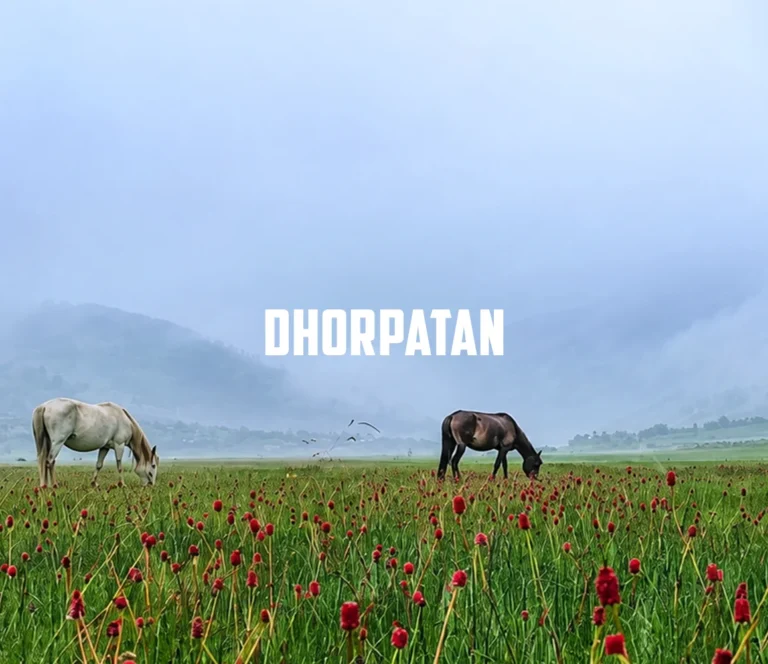
Trek Into Nepal's Sole Hunting Reserve: The Dhorpatan Experience
Prev
Janai Purnima in Nepal | Raksha Bandan Meaning, Date, Traditions, and Gosainkunda Pilgrimage
NextAwards and Achievements
Access Nepal Tour and Treks has been recognized with TripAdvisor’s prestigious Travelers’ Choice Award for multiple consecutive years, reflecting our unwavering commitment to quality and clients’ satisfaction.













Leave Your Comment