


Bhotekoshi Flood 2026: Causes, Death Toll, Damage and Latest Updates
- Places
- Edited By: Ayesha Sapkota .Updated on: 2 Sep 2026
The Bhotekoshi flood disaster of 2026 was one of the most devastating floods in the flood disaster log in Nepal. The devastating flood occurred on 26th August 2026 in the Bhotekoshi River area in Rasuwa, near the Nepal-China border. A huge flood of water, ice, rocks, mud, and other trash came downstream and destroyed many things in a relatively short time.
The flood was not confined to Rasuwa only. It passed through the Bhotekoshi and Trishuli river system and impacted areas further downstream. Homes and structures, including roads and bridges, were damaged or washed away, along with hydropower facilities. There were hundreds of bodies found, and search and rescue operations continued, and thousands were still missing.
The tragedy was so shocking because it happened so quickly. People had little time to react since they lived and worked just next to the river. The event also highlighted the issues of sudden hazards in the Himalayas due to glaciers and mountains and whether Nepal has proper warning systems for such hazards.
If you are worried about travelling to Nepal after the recent flooding in Rasuwa?
We understand the concern. The Rasuwa–Syabrubesi–Timure area has been seriously affected, and we are deeply saddened by the loss of lives and damage caused by the disaster.
However, it is important to understand that the flooding is geographically limited and has NOT affected Nepal’s major trekking regions as a whole. Only 5% of the country’s are is affected by the flood and all other trekking routes are safe to travel. So, we can say that Nepal is safe to travel after Bhotekoshi flood.
Most of the popular trekking destinations remain safe and accessible, depending on normal weather and local conditions:
Everest Region: Everest Base Camp, Gokyo, Three Passes, Mera Peak & Island Peak
Annapurna Region: Annapurna Circuit, ABC, Mardi Himal, Poon Hill, Mustang & Nar Phu
Manaslu Region: Manaslu Circuit, Tsum Valley & Larke Pass
Kanchenjunga Region: North & South Base Camp
Western Nepal: Dolpo, Rara, Shey Phoksundo, Api Himal & Limi Valley
Where Did the Bhotekoshi Flood Occur?
The worst flood hit Rasuwa District in northern Nepal near the Nepal-China border.
Some of the places seriously affected were Timure, Rasuwagadhi, and Syaphrubesi. The locations are significant due to the presence of local communities and also being situated on an important link road between Nepal and the northern border.
The flood passed on through the Bhotekoshi river system and moved downstream towards the Trishuli River, Nuwakot and Dhading also had several areas affected and other areas further downstream.
The distance that the flood travelled gives an indication of the magnitude of the initial surge. Water and debris were washed much further than the spot of the initial mountain collapse.
What Happened in the Bhotekoshi Flood 2026?
The great flood of Bhotekoshi occurred on the morning of 26th August 2026 in the northern part of Rasuwa. In the high mountain area upstream, a considerable amount of ice, rock, and soil suddenly collapsed. The material was carried into a river and formed a natural barrier to the flow of water.
Now water started to pool up on the upstream side of the blockage. Eventually, the temporary dam failed, and the water was let out. It transported great quantities of rock, ice, soil, mud, and sediments downstream, resulting in a massive flood and trash flow.
The terrain was steep and even more dangerous. The Bhotekoshi valley is surrounded by high mountains, and the river flows through a fairly narrow valley. This resulted in a large amount of water and debris being released in the river corridor and rushing downstream.
The flood then started flowing from the Bhotekoshi River towards the Trishuli River, impacting communities and infrastructure far beyond the disaster point.
What Caused the Bhotekoshi Flood 2026?
Initial reports suggested the cause of the Bhotekoshi flood was an earthquake, and an avalanche or glacial lake outburst. The scientists analyzed satellite images, seismic data, and the topography, and a more picture emerged.
The recent science evaluation indicates significant mass failure of ice, rock, and soil in the high mountain region. There was a big fall into the river, and it blocked up the river. This blockage formed a natural dam, which caused accumulation of water behind it. The temporary dam failed, and all of the stored water and the material that had built up the dam rushed downstream. This led to a strong flood of water and ice with rocks, soil, and sediment.
A quick scientific evaluation indicated that the temporary blockage could have lasted some 18-19 hours before it burst through.
The disaster can simply be explained as the collapse of the mountain causes the river to be blocked, a temporary natural lake or a natural dam forms, and then the dam breaks and a large flood hits the Rasuwa district.
The event has been studied, but this is believed to be more consistent with the latest scientific data, rather than it being a rainfall flood.
Why Was the Bhotekoshi Flood So Destructive?
The flash flood was one of the major causes for its devastation. Sometimes the communities can be warned for several hours before a flood occurs, when rain causes a normal river flood and water levels rise slowly. It was different from the Bhotekoshi event. There was not much warning of a large surge of water and trash created when there was a sudden failure of the collapse and blockage upstream.
This flood brought with it much more than water. Those rocks, mud, ice, soil and sediment that the water carried added weight to the water and gave it more force.
The geography made it worse. The river was running through narrow mountain valleys and there was not much space for the flood to extend before it started to flow down the river. Furthermore, lots of infrastructure was located close to the river. Houses, roads, bridges, hydropower facilities, and other structures were directly affected by the flood.
These factors combined to make the event a very destructive one.
How Did the Flood Travel Downstream?
When the temporary blockage was unsuccessful, the flood swept quickly through the river system. The Bhotekoshi was the first big river to be hit by the flood. From there, the flood went on downstream and entered the Trishuli River.
The high gradient of the land caused the flood to continue to flow rapidly and be destructive. A lot of trash, rocks, mud, soil, and ice were also carried away by the moving water.
The flood continued to move downstream, impacting more settlements and infrastructure. The flood eventually flowed from the river to the larger river network of Narayani.
This is the reason why the impact of the Bhotekoshi flood was observed in multiple districts and not just the Rasuwa district.
Bhotekoshi Flood 2026 Death Toll
When the Bhotekoshi flooded in 2026, it claimed many lives and the number of deaths was rapidly increasing as search and recovery efforts continued. The figures fluctuated nearly daily as authorities began to pick up bodies and victims in the impacted areas.

Bhotekoshi Flood 2026 Death Toll
The death toll was:
As of August 29, 2026, there were an estimated 626 deaths.
By August 30, 2026, it was estimated that there were some 734 deaths,
It was estimated that around 939 lives were lost on August 31, 2026.
On 1st September 2026, over 1050 were dead.
In addition to confirmed deaths, thousands were unrecorded and it was hard to assess the full toll of the disaster. Search and rescue efforts were ongoing in flooded areas.
This flooding also resulted in the damage of homes, roads, bridges, vehicles and other infrastructure. The death toll may rise as more victims are recovered and identified, as search operations continue.
How Many People Are Missing?
Thousands of people remain missing, after the Bhotekoshi flood in 2026. Nepal’s disaster authorities currently have 3,916 people officially listed as missing as of September 1. The missing include those who are local, security personnel, hydropower employees, foreigners and tourists’ accompanying guests.
583 foreigners and 164 guides heading with tourists were among those missing. A few power project workers also went missing when floodwaters and debris hit project sites and tunnels.

Devastating Bhotekoshi flood 2026: Thousands are missing
Search and rescue teams continue to search the affected localities for missing persons and collecting dead bodies. The count of missing persons could fluctuate as more information becomes available to authorities and the number of people found or recovered is determined.
Damage Caused by the Bhotekoshi Flood
The physical loss due to the flood was immense.
There was significant loss of life and property, and roads and bridges were washed away. Banks of rivers were washed out, and much mud and debris were on the land and buildings. Public infrastructure and public facilities near the river were also damaged in the flood.

Damage caused by Bhotekoshi Flood 2026
A rapid assessment has reported damages to over 30 bridges and significant damages to roads, settlements, communication infrastructure, hydropower facilities, and border infrastructure. The breakdown of roads and bridges was a problem even after the flood for local people. Normal transportation routes ceased in some places, making them off-limits.
This complicated the rescue team from delivering food, medicines, equipment, and other necessities to those in need.
Damage to Hydropower Projects
The Bhotekoshi and Trishuli river corridors are significant hydropower development areas in Nepal.
The flood seriously damaged parts of the infrastructure along these rivers, and several hydropower facilities are located along these rivers. Hydropower workers were also a part of the disaster. The flood was reported to have left some workers missing.

Significant loss of Hydropower during Bhotekoshi Flood
Rescuing people around hydropower sites was especially challenging, as many of these sites have tunnels, buildings, and other structures that can be hazardous when flooding suddenly occurs.
The damage may also have long-term impacts on electricity production if major facilities need extensive repairs.
Damage to Roads and Bridges
Some of the most obvious damage was to roads and bridges. Mountainous terrain in many communities rely on a few roads and bridges for transportation. A settlement can be significantly more challenging if one bridge is destroyed. Some river bridges were swept away or damaged along the affected river corridor.
Floodwater, along with landslides, erosion, and debris, also damaged road sections. This caused issues for locals and emergency response personnel. Roads that would normally be used to get to the affected areas were not usable, and also some of the roads were blocked. The recovery will involve repairs to these routes, which will be important.
Impact on Local Communities
The flood was not only a natural disaster for people residing on the banks of the Bhotekoshi and Trishuli rivers. It was a loss of home, business, employment, and basic infrastructure and it very was sudden. There were some families that lost their homes and property. The damage to roads and bridges also impacted the access to markets, schools, health care, and other key services.
Communities in remote mountain areas may face greater difficulties in recovery due to the fact that it is already hard to carry construction materials and emergency supplies.
The impact of such a flood can last for months after it passes and even when the water level is back to normal.
Impact on the Nepal-China Border
There was also significant damage near the Nepal-China border due to the flood.
The Rasuwagadhi area is a significant trading center for Nepal and Tibet and a strategic point for transport. Infrastructure around the border was affected by the flood, disrupting movement through the area.

Bhotekoshi food impact on Nepal China Border
Roads and bridges were damaged, resulting in increased difficulty in transportation, and affected border infrastructure posed further challenges for trade and local businesses.
Bhotekoshi Flood Rescue Operation
The Bhotekoshi flood rescue operation started with the onset of the flood on 26 August 2026. Nepal Army, Nepal Police, Armed Police Force, local authorities and technical teams have been cooperating in an effort to save the lives of the victims, search for the missing, retrieve bodies and distribute relief materials. As of September 1, over 11,800 people had been rescued and over 21,000 security forces participated in the search, rescue, evacuation and relief operations.

Bhotekoshi Flood Rescue Operation carried out by Nepal Army, Nepal Police, Armed Police Force, local authorities
One of the biggest efforts in the rescue is being made on the hydropower projects in Rasuwa and Nuwakot, where it is believed workers are being trapped inside the tunnels with water, mud and debris. Rescue crews have entered a number of tunnels, and are using excavators, drilling machines, air compressors and other specialized equipment to establish access points.
India, China and South Korea have also been providing specialized support to the operation. Indian and Chinese experts from the tunnel rescue group have been assisting the Nepali teams; and the forensic team is assisting with the identification of recovered victims. But, damaged roads, collapsed tunnels, heavy debris and tough terrain remain a huge obstacle in the rescue effort.
Maintaining efforts to locate missing persons, and if alive, rescuing them, recovering the victims and distributing relief to the affected communities are the priority for the search.
Is the Bhotekoshi Area Safe Now?
The flood is now over the impacted areas, but this does not mean that all areas are safe.
When the water level goes down, bridges damaged by the flood, slopes that are unstable, landslides, debris, or weakened buildings may still be hazardous. Slope instability of the mountain can also continue, along with changes in the river environment. Therefore, people should not go into damaged areas unless there is an urgent need and permission.
Riverbanks should also be avoided, particularly if warnings have been issued by the authorities. The best course of action is to use the latest advice from the local authorities and not presume an area is safe just because the water has subsided.
What Is the Latest Update on the Bhotekoshi Flood 2026?
The post-Bhotekoshi flood situation is still critical as of 2nd September 2026. In Nepal, over 1,000 people have been killed, with more than 4,000 are yet to be accounted for or found. Over 11,800 people have been rescued to date and ongoing search efforts are taking place in areas of significant damage.
Focus of the ongoing rescue work has shifted to the hydropower industry where hundreds of people could be trapped inside tunnels filled with mud and debris. Specialist assistance from countries such as China and India is also being brought in to aid the arduous rescue efforts in Nepal.
The disaster has also swept through and affected roads, bridges, hydropower projects, houses, electricity and communication networks. There is now some connectivity back up and the rescue is now possible for previously isolated communities. The operation is still complicated, though, due to the unstable terrain and to blocked roads and the threat of more flooding.
Recovery and identification of victims are ongoing and death and missing person counts may rise in the next few days. The search for missing persons, the recovery of the victims, assistance to survivors and the restoration of critical infrastructure in the affected zones are the current concerns.
What are the trekking routes affected by the Bhotekoshi Flood 2026?
Langtang region treks: The walking trail itself is not affected (as it follows a different river, the Langtang Khola, which wasn’t touched), but the road access through Trishuli and Betrawati is damaged. A longer alternate walking route in via Sundarijal, Chisapani, Thadepati, Ghopte, Gosaikunda, and Thulosyabru is being used instead.
Kailash Mansarovar (Kerung) route: This route hit hardest, since it crosses into Tibet through the Rasuwagadhi border post, which took the worst of the flood damage.
Ganesh Himal access (via Dhunche/Syabrubesi) and some Manaslu road approaches are affected around the edges since they share parts of the same access corridor, though their core trekking trails aren’t in the flood zone.
Frequently Asked Questions About Bhotekoshi Flood 2026
When did the Bhotekoshi Flood happen in 2026?
The major Bhotekoshi flood took place near the Nepal-China border in the Rasuwa District of northern Nepal on August 26, 2026. The flood then came to pass down the Bhotekoshi and the Trishuli river system.
Where did the Bhotekoshi Flood 2026 occur?
The flood started in Rasuwa District mainly in Timure, Rasuwagadhi and Syaphrubesi. The flood then spread to the district of Nuwakot and Dhading in the Bhotekoshi and Trishuli rivers.
How many people died in the Bhotekoshi Flood 2026?
As of September 1, 2026, the death toll has exceeded 1,050.
How many people are missing after the Bhotekoshi Flood?
On September 1st, 2026, approximately 3,916 individuals were officially recorded as missing. Missing are local residents, hydropower workers, security forces, tourists, foreign nationals and workers in the affected areas.
How much damage did the Bhotekoshi Flood cause?
The flood resulted in damage to homes, roads, bridges, vehicles, hydropower plants, communication systems, and border infrastructure. There were reports of over 30 bridges being damaged and some roads and settlements being affected.
Who are involved in the Bhotekoshi Flood rescue operation?
The rescue operation has been conducted by the Nepal Army, Nepal Police, Armed Police Force, local police and technical rescue teams. Specialist help has also been given from teams from around the world such as India, China and South Korea.
Conclusion
The Bhotekoshi flood of 2026 started in the high mountains of Rasuwa and soon spread to a large region via the Bhotekoshi and Trishuli river systems.
The current scientific consensus is that the disaster started with a large ice, rock, and soil collapse. The collapse created a natural dam in the river upstream. Upon failure of that blockage, an enormous quantity of water with debris was released downstream, resulting in extensive destruction.
The human toll has been high. Hundreds of bodies have been retrieved, and thousands of people are missing, and many families are still waiting to know their loved one’s fate. There were also significant damages to homes, roads, bridges, hydropower facilities, and border infrastructure.

How Much Does the Annapurna Base Camp Luxury Trek Cost in 2026?
Prev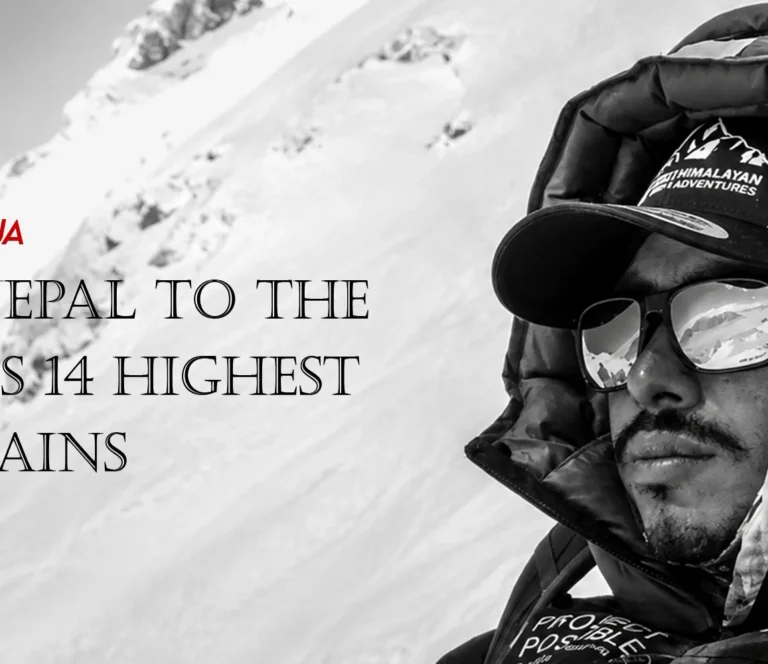
Nirmal Purja From Nepal to the World's 14 Highest Mountains
NextAwards and Achievements
Access Nepal Tour and Treks has been recognized with TripAdvisor’s prestigious Travelers’ Choice Award for multiple consecutive years, reflecting our unwavering commitment to quality and clients’ satisfaction.













Leave Your Comment