

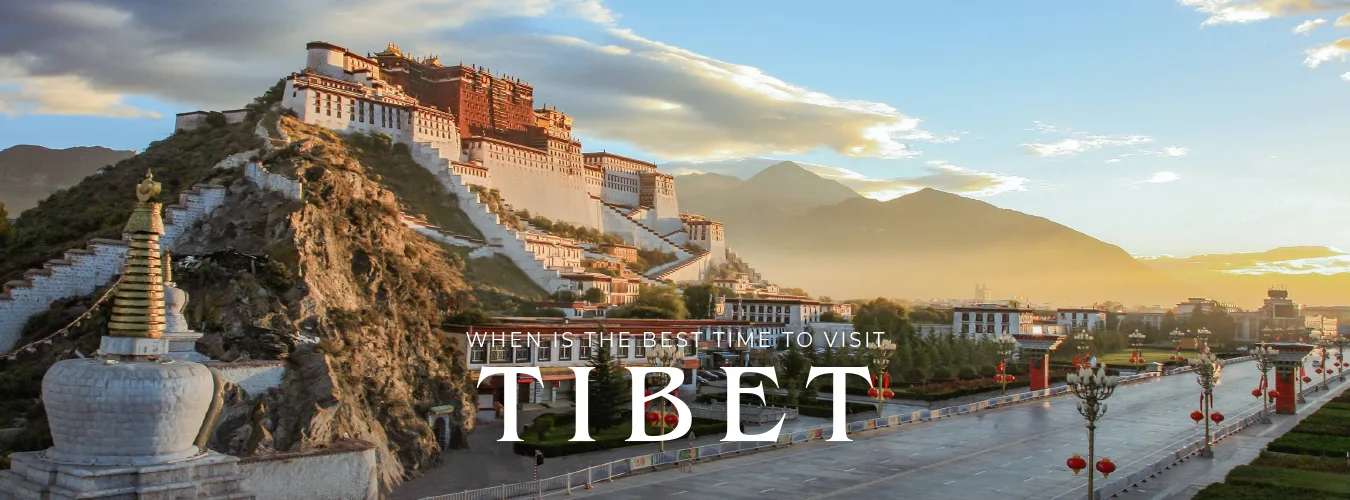
When is the Best Time to Visit Tibet? Climate, Season
- Places
- By Sanchita Pokharel
Tibet is a holy land of culture, Buddhism, arts, and traditional and natural beauty. But when is the best time to visit Tibet? This question is asked by many travelers planning to visit Tibet. And yes, asking this question before visiting is the right step. When travelling, it is important which time of the year or month you are visiting.
So, always plan your trip during the best time to visit Tibet for a more comfortable and fun experience. Tibet is popularly known as the “Roof of the World” because it’s the highest region on Earth. This vast high-altitude region is sparsely populated due to harsh weather conditions.
However, for clear skies and iconic mountain views and the most popular cultural events, the best time to visit Bhutan is Autumn (September-November) and Spring (March-May), which is famous for bloomsome of rhododendrons.
Tibet is beautiful with its high Tibetan plateau, deserts, mountains, and monasteries. The average elevation is above 4,000 meters. Therefore, choosing the best time to visit Tibet is a must to avoid harsh conditions. Due to high altitude, thin air, chilly wind, harsh cold, and extreme weather, the adventure is challenging
To avoid timing is key to a successful Tibet trip. To make your trip filled with good memories only, we have written this blog. Our Best Time to Visit Tibet blog explains everything you need to know. With this, you can plan a trip with ease.
Tibet is more than remote and harshly cold; it also offers clear skies, gentle weather, and warm temperatures. Tibet has everything: warm summers where peach blossoms cover the region, golden autumns, and cold winters with blankets of snow. The best time to visit Tibet depends on what you’re after: scenery, festivals, or solitude.
Best Time to Visit Tibet Climate-Wise
Tibet’s climate is famous for having extreme temperatures. But the great part is that they are predictable. The best time to visit Tibet is in the spring and autumn.
Winters (November to March) are long, cold, and very dry. Similarly, Summers (June to August) are short with mild temperatures. Between the winter and summer, Tibet experiences brisk, dry spring (April to May) and clear, cool autumn (September to October).
Spring is a popular season to visit Tibet. Spring is welcomed after a harsh winter. As the snow melts and alpine meadows bloom, it turns green. Peach blossom season at Nyingchi Valley peaks in late March/early April. Furthermore, autumn comes right after the monsoon. Views get clear, the sky turns brilliant blue, and the temperature rises.
Summers in Tibet are especially warm and travel-friendly. In Lhasa, the highest it can reach is 20-25°C (70-77°F). Though nights cool off sharply. Winter sunny days are also tolerable, ranging around 14°C (warmer than Beijing!). Though it is better to avoid traveling in winter, as many remote roads, trekking trails, and high passes are mostly closed due to heavy snowfall. The whole region covered in crystal white is beautiful but challenging.
Beware of UV rays even in winter. Sunlight exposure is high at high-altitude places like Tibet due to the little atmosphere at high altitudes. Always wear sunscreen and long-sleeved clothes to avoid getting sunburned.
- Spring (April to May): Mild days (10-15°C), clear skies, peach blossoms, and lush green.
- Summer (June to August): The warmest season, with temperatures up to 23°C, greenery, and festival season.
- Autumn (September to October): Crisp air, great visibility, long dry days, warm days (15-20°C), cool nights, perfect for mountain views and festivals.
- Winter (November to March): Dry, sunny days and extremely cold nights (drops to -10°C). Only the major cities (Lhasa, Shigatse, and the Everest Base Camp area) are easily visited. There are fewer tourist crowds and lower prices in winter.
Best Time of Year to Visit Tibet Season-Wise
Tibet has a variety of seasons, and you must choose accordingly. We’ll go through season-wise to find the best time to visit Tibet.
Spring in Tibet (April-May): Blooms and Clear Views
Due to its geography and location, in Tibet, spring comes late. As the winter snow melts, summer arrives around the months of April and May. Spring is breathtakingly beautiful in Tibet. The whole plateau blooms in pink peach blossoms, yellow mustard flowers, and greenery.
Spring is one of the peak and best times to visit Tibet. The temperatures are especially warm and cozy, ranging up to 10-15°C in Lhasa. As the winter ends, glacial and snow melts turn the Tibetan valleys into grasslands where wildflowers bloom. It is also the peak trekking and pilgrimage season.
Destinations like Nyingchi and Yamdrok Lake in April are the best time to visit in Tibet. The whole place blooms with peach and apricot blossoms. It feels so dreamy and perfect for photography. The scenery of the surroundings turning into pink, with air filled with a sweet scent and distant Himalayan peaks peeking over trees, makes you feel like you are in paradise.
Similarly, spring, especially from April to early June, is officially the Everest climbing season in Tibet. Those wishing to trek to Everest Base Camp from Tibet can choose this window. The Mount Kailash Parikrama pilgrimage is done around this time of the year. High mountain passes as pens
However, prepare for a slight cold if you visit around March, early spring. Otherwise, spring is the best time to visit Tibet.
Travel tips: Day are sunny and nights are chilly in Spring. Wear warm clothes, put sunscreen, and drink plenty of water. Altitude sickness is a risk even in Lhasa (3,650 m). Exploring beyond Lhasa like Gyantse, Namtso Lake and more is possible during spring.
Summer in Tibet (June-August)
June to August is the peak season in Tibet. The warm temperature and the festival attract visitors from all over the world during the summer. Daytime temperatures rise up to 23°C. Similarly, the oxygen level is also relatively high at 66% of sea level.
Trekking and exploring Tibet are best in the summer. Surrounding turns lush green, rhododendrons and alpine wildflowers dot the whole region. Mornings are mostly clear, best for outdoor activities. It is the best time to visit Tibet.
However, monsoon coincides with summer in Tibet. There are chances of cloudy views, rain, or snow in the afternoon or at night. July is more prone to these. If you are visiting Tibet by road from Nepal or Sichuan, the road might get blocked by landslides or mudslides. Summer has higher chances of haze and clouds than spring or autumn.
Besides these, summer offers more good experiences than bad. Mild nights, warm days, and long daylight hours give advantages for trekking, traveling, or sightseeing without much problem. If the day is clear, you can even see Mount Everest (Chomolungma) from Tibet.
Since summer is one of the best times to visit Tibet, booking early is highly recommended. Transportation tickets and accommodation are competitive due to the many visitors. Moreover, during that time of the year, it attracts domestic travelers because July and August are the only times schools break in China.
Those wishing to do remote trekking in Tibet can chase the summer high passes opening up and temperature rising even at high elevations, and reduce the risk of altitude sickness.
Autumn in Tibet (September-October)
Autumn is another season that is the best time to visit Tibet. Nature is at its peak during autumn in Tibet. Autumn starts from September to November. Autumn days are sunny, dry, and long, especially in October. Monsoon rain clears all the dust particles and makes the air clean and crisp. It offers great visibility; mountain views and clear blue skies make the surroundings beautiful.
During the day, the temperature ranges between 15 and 20°C. Autumn turns the green valleys and meadows into golden brown. It is prime season for traveling around Tibet. You can get the best photography of the vast range of snow-capped mountains under a blue sky and the Tibetan plateau.
Furthermore, the Potala Palace in Lhasa, covered in snow, melts away in dry and warm autumn weather. For those who wish to plan for trekking and exploring remote regions of Tibet, autumn is the ideal choice. Visiting Tibet in September and October means guaranteed visibility of Everest and other peaks.
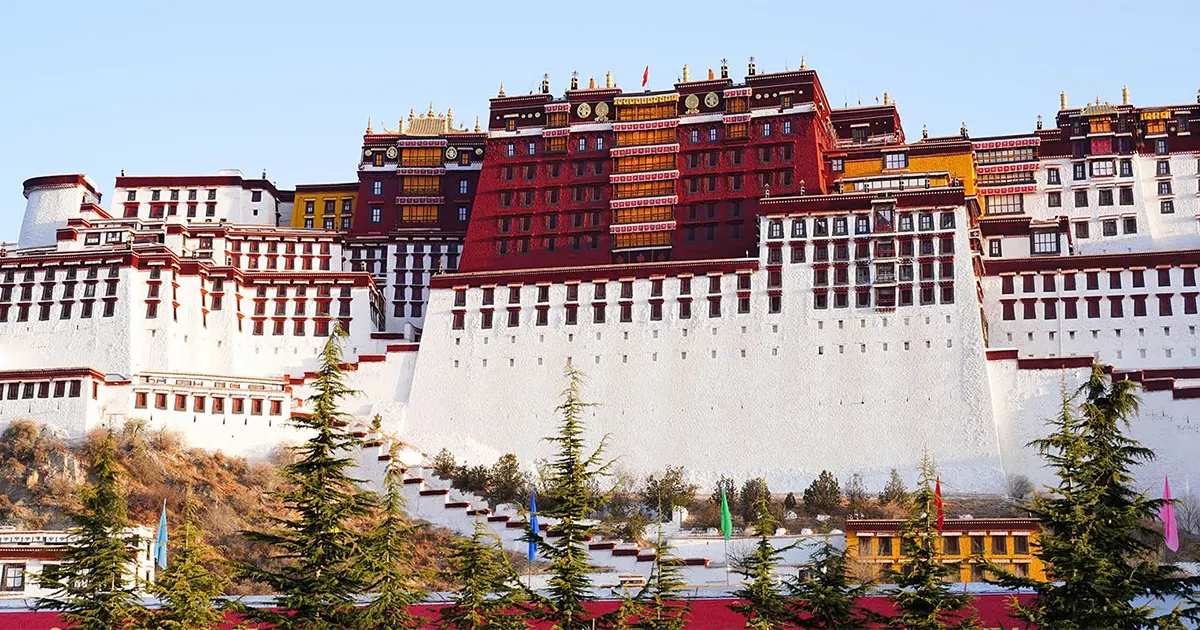
Winter Palace of the Dalai Lamas
Additionally, pilgrimage planning for Mount Kailash Parikrama tours can be done during the autumn. All overland routes to Mt. Kailash reopen, and the weather is stable. There are a variety of traveling choices in autumn, as it’s the best time to visit Tibet. You can go for a short trek from Ganden Monastery to Samye circuits in Tsedang or visit Yamdrok and Namtso lakes shining under a clear blue sky.
Mentally prepare for higher prices and book early for convenience.
Winter in Tibet (November-March): Quiet, Clear (and Cold!)
Many think winter is harsh and daunting in Tibet. However, there are some upsides to traveling in Tibet during winter. Winter days are brutally cold at night and at higher elevations. The temperature drops below the freezing point, often to -10°C or colder.
But Lhasa (the capital city of Tibet) and Shigatse still have warmer days. Days are often sunny with temperatures rising to around 14°C. If you want to avoid crowds and high prices, travelling in winter is not that bad. Though trekking or visiting high altitudes is not recommended. Only lower regions are recommended.
With dusting snow everywhere and a peaceful environment, it makes the travel cozy. The iconic Potala Palace, Jokhang Temple, and many major attractions have fewer visitors.
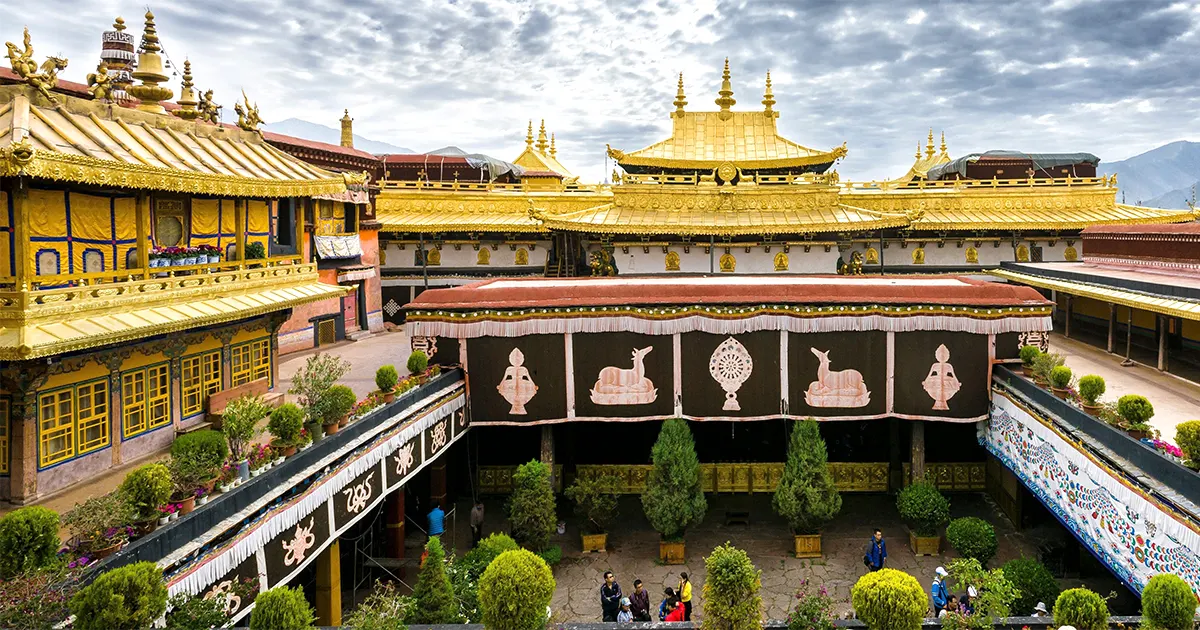
The Jokhang Temple, known as the Rasa Trulnang or Qoikang Monastery.
Winter brings heavy snowfall. High passes get blacked out and are not accessible for visits, and lakes like Namtso get frozen. Trekking to mountain passes and higher places is inaccessible after late November.
If you want to visit Tibet in winter, it is best to avoid colder regions and stick to warmer regions. Though in winter, flights, trains, accommodation, and permits get cheaper and are easily available. During winter, birds migrate to wetlands around Lhasa/Shigatse. And if you time it right (often February), you can catch part of the Losar (Tibetan New Year) celebrations.
Best Time to Visit Tibet during Festivals
Spring Festivals
Festivals are the main charm of Tibet. It’s an identity, culture, tradition, and history that have been celebrated for many centuries. Visiting around the festival is the best time to visit Tibet for a cultural experience.
Tibetan New Year (Losar) is the major festival of Tibet. It is celebrated around late winter/early spring (between February and March). It lasts for two weeks of ritual and prayer ceremonies. Losar is an important holiday time for Tibetans as families get together, dancing and eating delicacies.
If you wish to experience Losar, plan a trip according to the Tibetan lunar calendar. The Tibetan New Year is so big that Chinese authorities even pause foreign travel permits for 6-8 weeks around Losar.
Another major festival is Saga Dawa (a key Buddhist festival in spring (May)). It’s a festival of celebrating Buddha’s birth, enlightenment, and death. Buddhist devotees from all over the world visit Mt. Kailash and other holy sites around Saga Dawa. Pilgrims make Kora (circle) and light butter lamps.
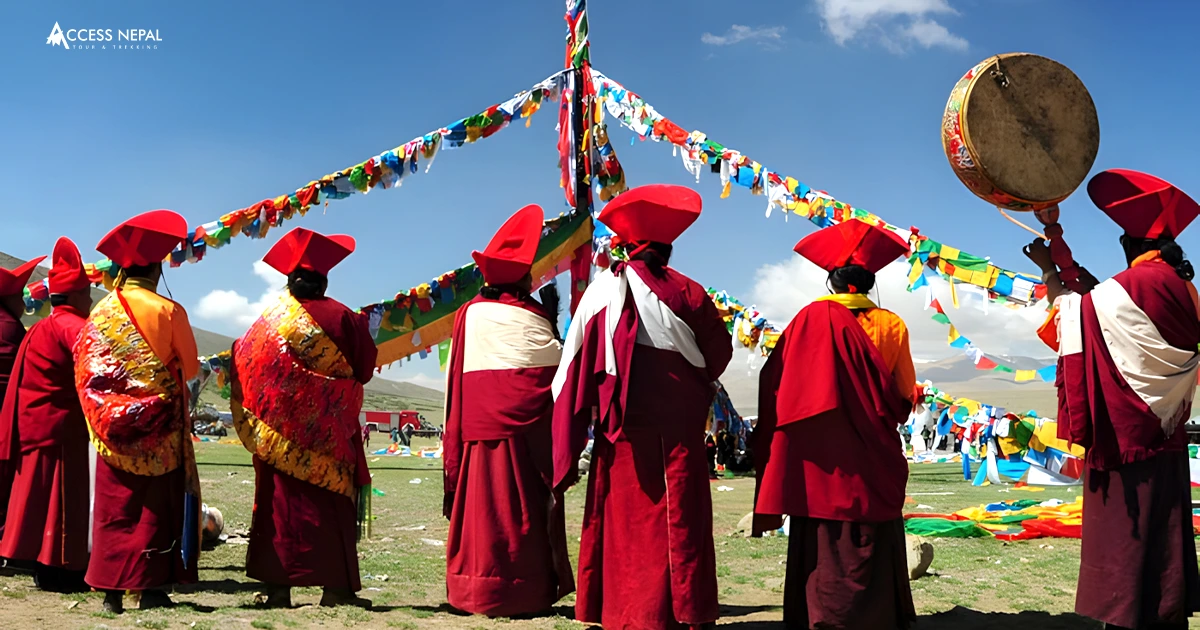
Saga Dawa (a key Buddhist festival in spring (May)
Summer Festivals:
One special thing about Tibet is that every season has a different festival.
- Shoton (Yogurt Festival): This festival falls around July/August. It lasts for nearly a week and is one of the biggest festival celebarted in Tibet. During this festival Monks open a giant thangka (Buddha painting) at Drepung or Sera Monastery in Lhasa. There will also be a local feast on dairy treats. This is also the reason this festival is called “Yogurt Festival.” People eat and watch Tibetan opera at this festival.
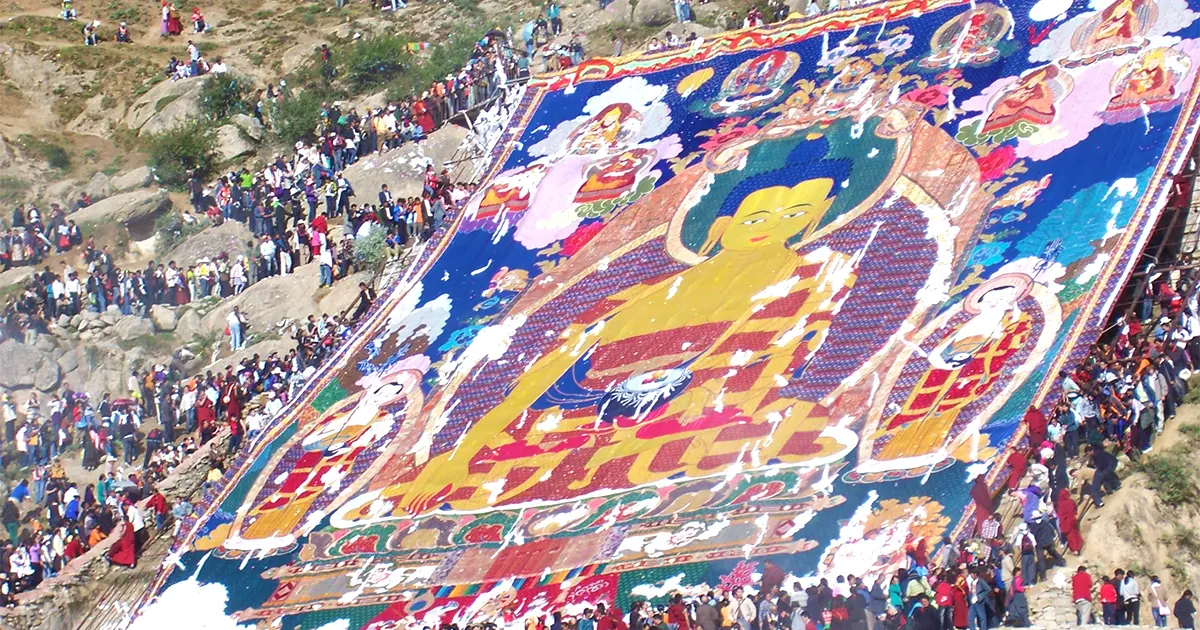
Shoton (Yogurt Festival)
- Nagqu Horse Racing Festival: Another worth mentioning festival is the Nagqu Horse Racing festival celebrated in July. This festival is celebrated by nomad people of Tibet. They come together on the northern grasslands. During this fetival people have thrilling horse races, archery, and folk games. It truly shows the Tibetan culture and tradition.
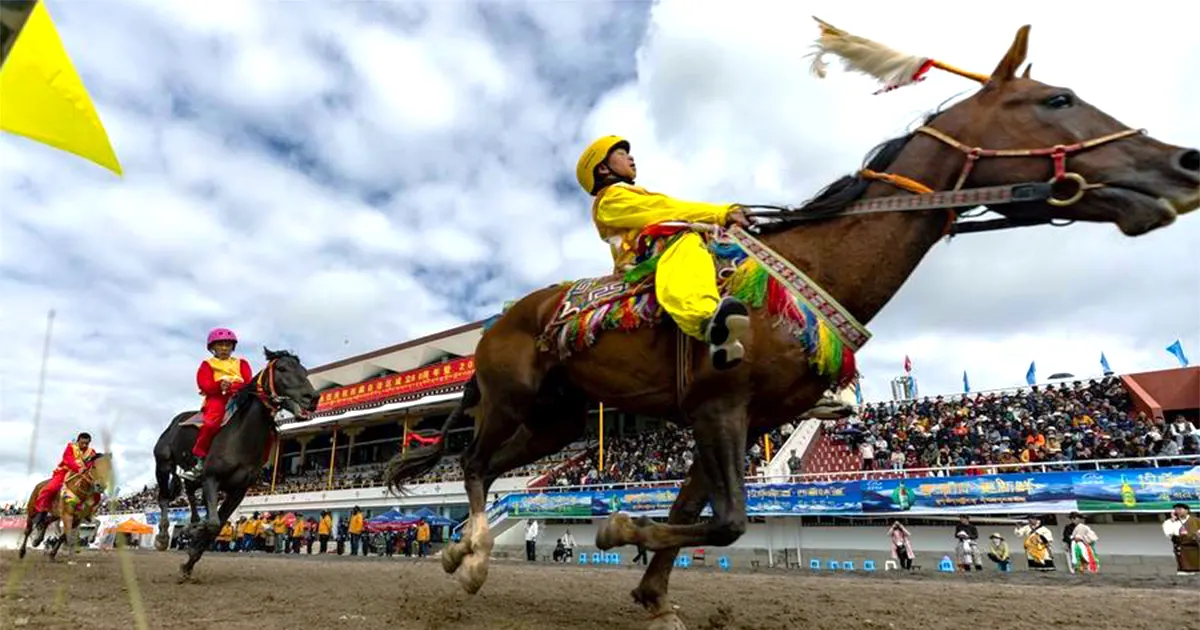
Nagqu Horse Racing Festival
- Tsedrom (Incense Festival) and Sho Dun Festival: This festival is celebrated to chase away spirits. It falls in June, when local people gather and hold a Fire/Purification Festival. They also have traditional opera performances and picnics in parks.
Autumn Festivals
Just as it’s the best time to visit Tibet, Autumn has one more perk, a festival. This time of season includes festivals like the Harvest Festival, the Shoton Festival, and Tsongkhapa Day.
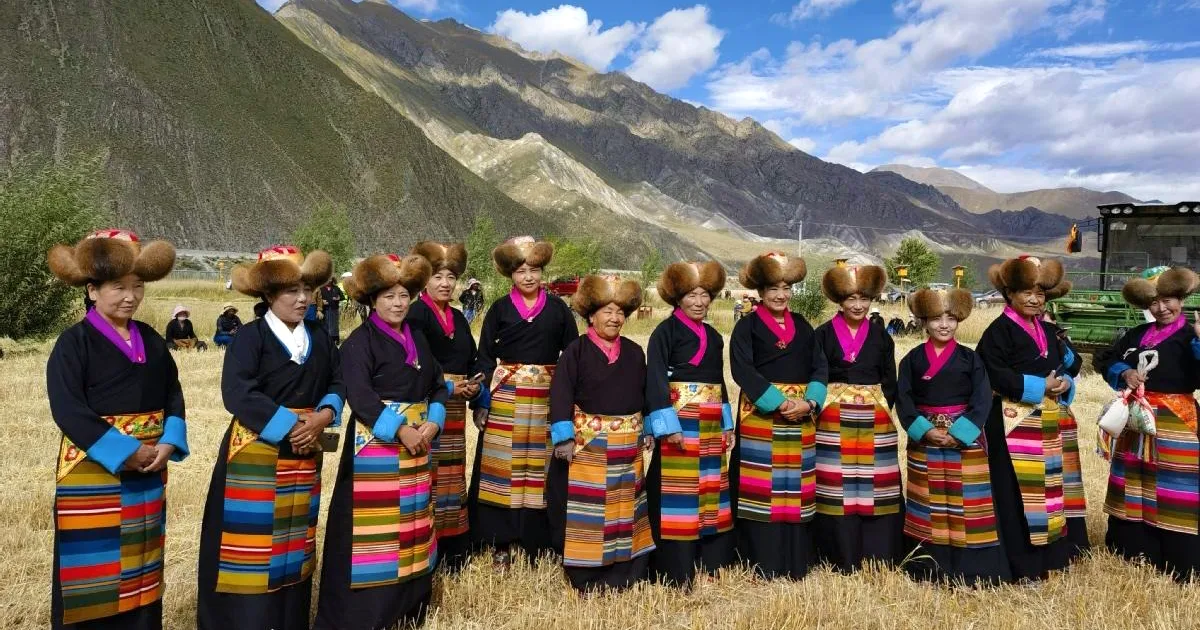
An annual celebration that occurs around the time of the main harvest
Harvest festival falls around October. As agriculture is the major occupation, in respect of this, they celebrate this festival. They dance, play, and enjoy the feast. Similarly, the Shoton Festival is celebrated in Lhasa. It begins from summer and lasts until early autumn.
Lastly, Tsongkhapa Day is another festival which is celebrated in monasteries around late November to December. During this festival, they offer prayer flags and lighted torches.
Winter FestivalsThe
Tibetan festival in winter is a must. Though the temperature and weather might be cold, the cultural experience won’t disappoint you. Therefore, winter is still the best time to visit Tibet. The major festival of Tibet falls in winter. The Tibetan calendar starts with the Tibetan New Year, also called Losar.
Tibetan New Year can be called both a winter and a spring festival because it falls between late winter and early spring. This festival lasts for 15 days (over two weeks).
Gustor Festival is another festival that falls in winter. This festival is on New Year’s Eve, 29th December. During this fetsival all Tibetans clean their homes and perform Cham (masked dances) to ward off evil spirits.
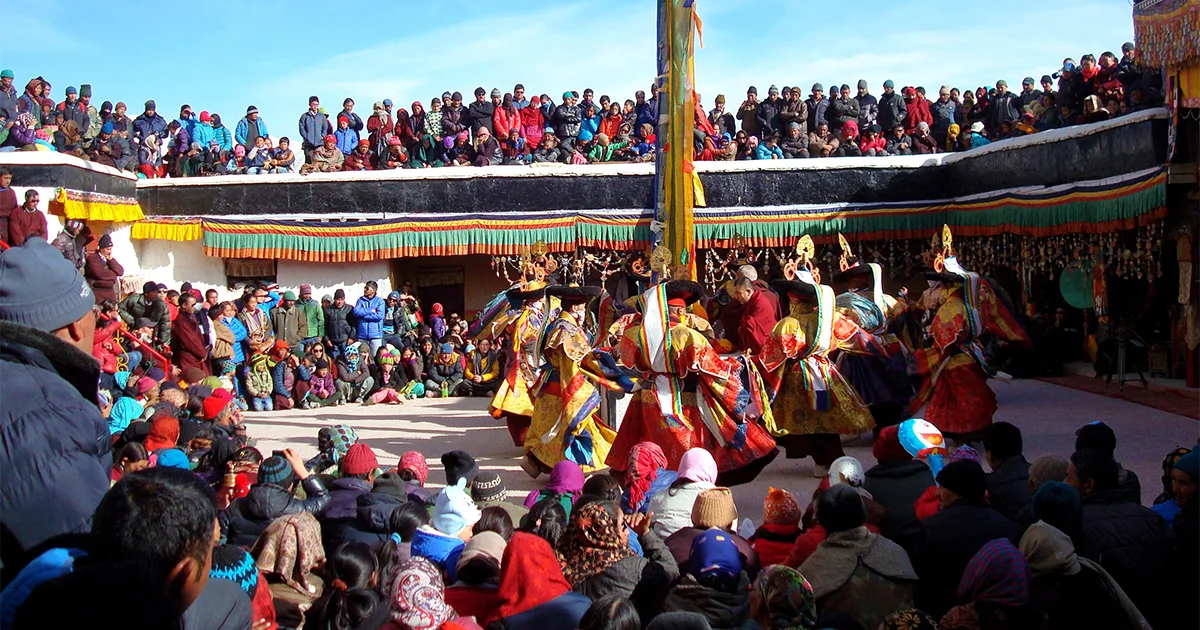
Gustor Festival
Another popular festival is the Butter Lamp Festival (Chunga Choepa). It is celebrated on the 15th day of the first Tibetan month. During this festival, all the houses and monasteries glow in lights and make butter sculptures to celebrate the end of the Losar celebrations. So if you want to explore more festivals celebrated in Tibet, you have to choose the best time to visit Tibet for more fun and life time memory.


Awards and Achievements
Access Nepal Tour and Treks has been recognized with TripAdvisor’s prestigious Travelers’ Choice Award for multiple consecutive years, reflecting our unwavering commitment to quality and clients’ satisfaction.









Leave Your Comment