

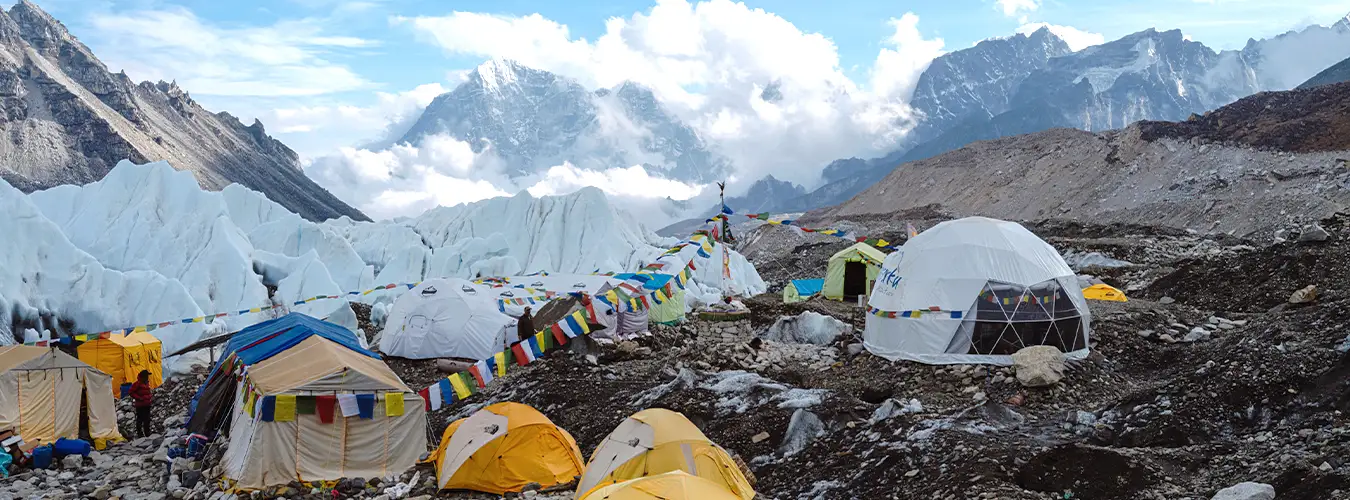
Everest Base Camp Trek in March
- Places
- By Sanchita Pokharel
The Everest Base Camp Trek in March means spring has arrived in the Himalayas. Trek to EBC in March is a journey to nature’s paradise. Trekking this month offers a different experience that you won’t get anywhere.
Views? Yes. Weather? Yes. Everything is in excellent timing during the Everest Base Camp Trek in March. This month in Nepal falls in the spring season, which is the peak trekking season in Nepal.
March comes right after winter, welcoming the spring season’s blooms and clear weather. At high altitude places like the Everest Base Camp Trek in March, ideal trekking temperatures and route conditions are created. Views get beautiful with the rebirth of green leaves, plants sprout out, flowers bloom, and spring water emerges.
During the spring season in mountain, mornings and evenings are cold, with days and afternoons being comfortably warm. Trekking under the clear blue skies as the sweet spring’s air fills trekkers’ lungs soothes the soul.
Likewise, the Everest Base Camp Trek in March is highly recommended due to stable weather and a great adventure. Every step along the Everest Base Camp Trek route rewards trekkers with breathtaking views of Mount Everest, Ama Dablam, Lhotse, and other giants. March trekking is truly special to those who love nature.
During spring, the sun goes higher and days are long. The Everest Base Camp Trek route is filled with colourful rhododendrons and wild flowers. Crossing the suspension bridges and walking along the recently melted streams offers such a good experience. With good physical fitness, preparation, and support, the Everest Base Camp Trek in March is a highly recommended adventure.
To make more clear on what to expect and what it offers during the trek in March to Everest Base Camp, keep scrolling.
Why Everest Base Camp Trek in March Ideal Month for Trekking?
March is the starting month of the peak and best trekking season for Everest Base Camp. As the winter ends, the Khumbu valley warms up, making favorable time to do the EBC Trek. In March weather becomes stable, and the route and trails get dry as the snow starts melting. It also gets a safer and trekking-friendly environment.
The Himalayas burst back to life, with the days becoming sunny and the temperature ranging from 10-15°C at lower elevations, while the nights bring chilly winds. This range of temperatures during the day is suitable for trekking. The warm daytime temperatures and great surrounding visibility make the Everest Base Camp Trek in March great.
And to be honest, what could we ask for more than this when the Everest Base Camp Trek in March offers uninterrupted views of Mount Everest?
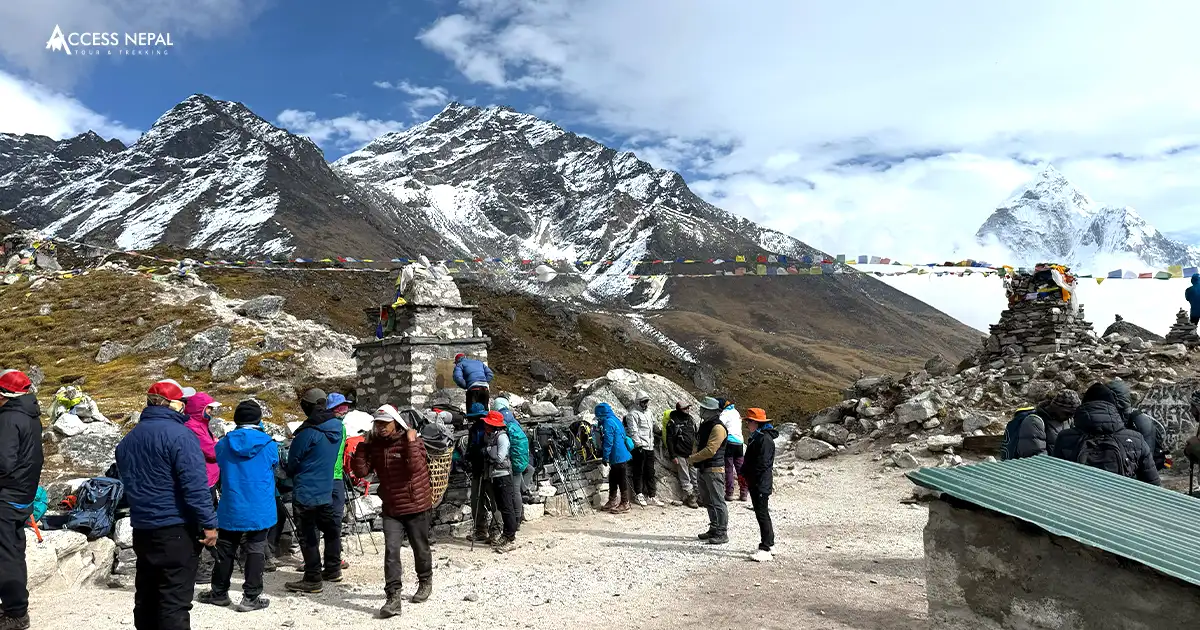
Why Everest Base Camp Trek in March an ideal month for trekking?
In addition, another advantage of doing EBC in March is fewer crowds (not many nor fewer, enough to liven up the journey). Since it’s just a starting time of peak season, you will encounter fewer travellers, unlike the late spring and autumn seasons.
Most of all, services and teahouses accessibility are also not jam-packed. You do not have to wait and go around looking for room availability. The most crowded and peak times are April and October (best to avoid).
In simple terms, the Everest Base Camp Trek in March means to experience the beauty of the Himalayas peacefully, even during peak season, without any disturbance. If you are lucky enough, there is a chance of getting group discounts as well in March because the season is just ramping up.
Still prepare warm layers of clothing because March is still a transition month from winter to spring, especially at high altitude. All in all, the Everest Base Camp Trek in March is all worth it and one of the best months to trek.
Temperature on the March Trek to Everest Base Camp
The weather and temperature during the Everest Base Camp Trek in March are ideal for trekking. It’s the beginning of spring in the Himalayas. The overall conditions for trekking are perfect and safe.
Though early March still has chilly mornings and nights, as spring deepens, creating ideal temperatures for trekking. In March, most days are clear and offer great visibility. So trekkers do not have to worry about gloomy days and cold. Spring in mounatin is totally contrasting to winter’s gloom.
Temperature varies depending on the altitude. At lower elevations like Lukla (2,860 m) and Namche Bazaar (3,440 m), daytime temperature normally falls between 7-9 °C. At night, the temperature just drops to below freezing point.
As you go higher, like in Lobuche (4,900m) afternoon gets cold as the temperature drops to 4 °C and -10 °C at midnight.
Similarly, at higher elevations like Gorakshep (5,190 m), Everest Base Camp (5,364 m), and Kala Patthar (5,644 m), the day temperature ranges about 0-2 °C. The nights at higher altitude are still cold and require lots of layering because the temperature can drop to -10 to -15 °C or lower.
Therefore, pack warm winter clothes and sleeping bags.
Weather of the Everest Base Camp Trek in March
March is one of the driest months of the year on the Everest route. The weather gets perfect with clear blue skies and a light breeze throughout the trek. Trekkers do not have to worry about rainfall, snowfall, or route blockage if they do the Everest Base Camp Trek in March.
Snow lovers, no need to feel sad because early March still has some snow flurries in the high zones. Though snowfall is rare, we still suggest trekkers to bring crampons or sturdy boots, especially at Kala Patthar or Gokyo trails.
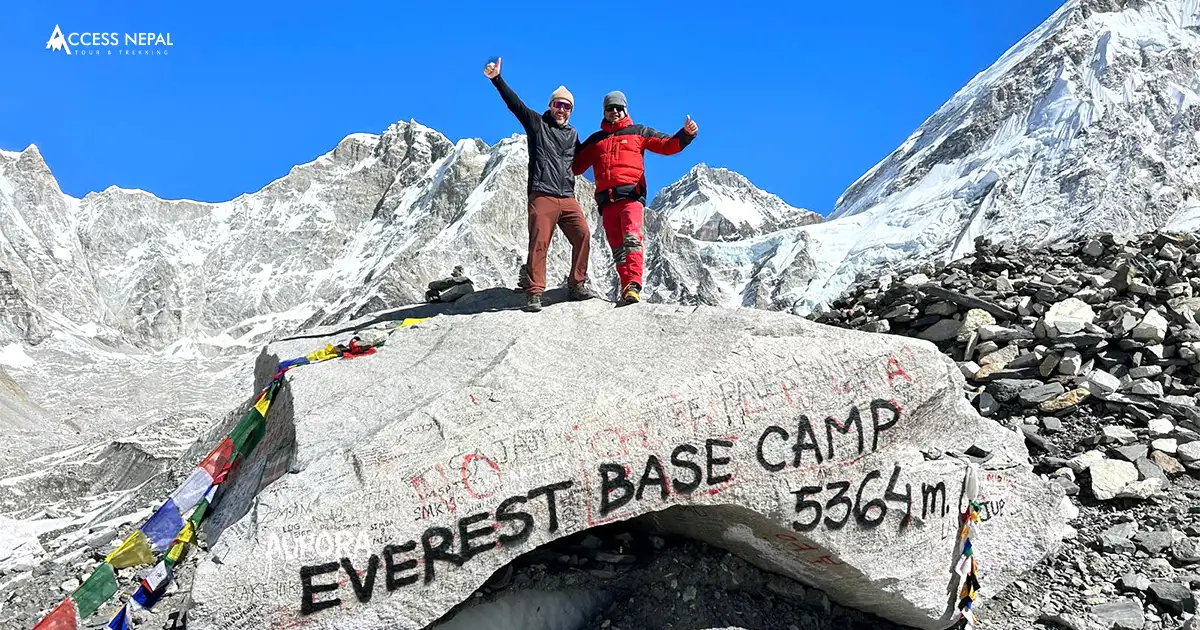
Another amazing part of trekking in March is that it offers a typical spring feel (like what we think about spring): crisp, sunny days and calm nights. As the daytime is also longer, trekkers get plenty of hiking time. Breathing cold and dry air as the sharp snow-filled mountains loom above you is such bliss.
The Everest Base Camp Trek in March is one of the most comfortable and offers the best trekking conditions.
Everest Base Camp Trek Itinerary (Day-by-Day Guide)
The standard Everest Base Camp Trek itinerary consists of 14 days. It starts and end from Kathmand,u following the classic Everest Base Camp Trek Route. Given below is the outline of our Everest Base Camp Trek itinerary. If it fits your standard, you can schedule for the March Trips or make some adjustments and book it:
- Day 1: Kathmandu Arrival (1,440 m): Arrive in Kathmandu. Meet guides for the pre-trek meeting and prepare for the Everest Base Camp Trek in March or any month.
- Day 2: Fly to Lukla (2,840m), Trek to Phakding (2,610m): Morning flight to Lukla (gateway of the Everest region) from Kathmandu. Have a late breakfast and trek to Phakding following the Dudh Koshi River. Trek for 3 to 4 hours (8 km) and arrive at Phakding, a small Sherpa village, for overnight.
- Day 3: Phakding to Namche Bazaar (3,440m): Trek through forests, cross suspension bridges, and arrive at Namche Bazaar, a famous Sherpa Town. Today trek duration is about 5 to 6 hours (11 km).
- Day 4: Acclimatization Day in Namche: Stay for another day to adjust to the altitude before climbing to high elevation. Acclimatization hike to the Everest View Hotel at 3,880 m. Visit museums, cafes, and explore Namche.
- Day 5: Namche to Tengboche (3,860m): Trek 5 to 6 hours, about 10 km, and reach Tengboche. Hike through rhododendron and fir forests. Visit Tengboche Monastery and watch panoramic views of Ama Dablam and other mountains.
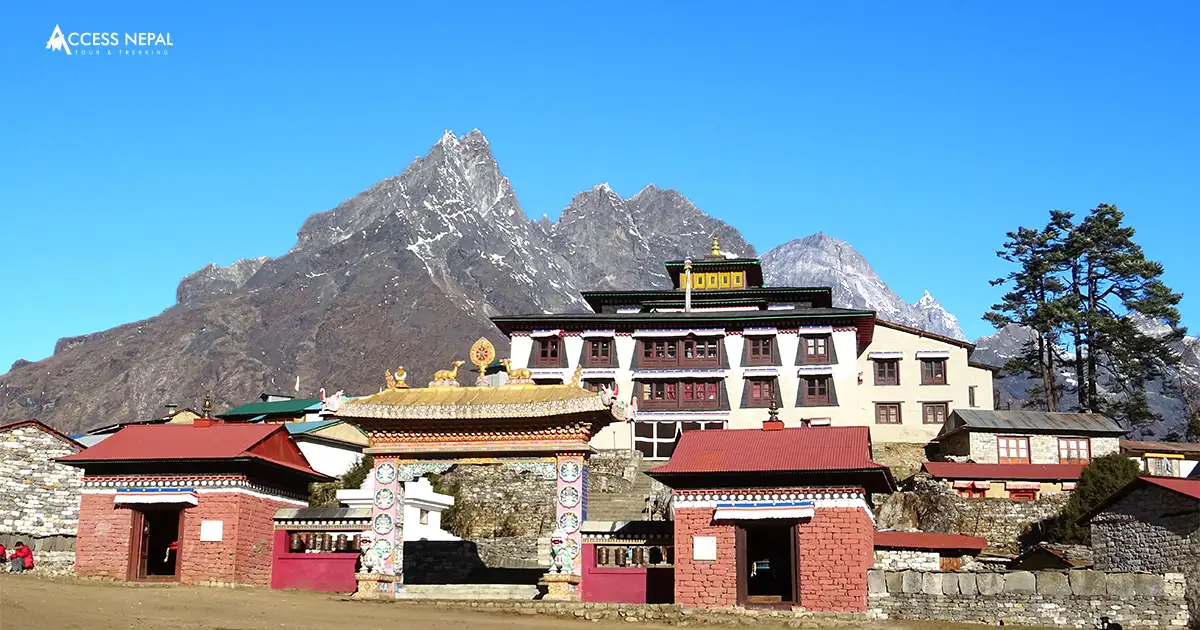
Tengboche Monastery
- Day 6: Tengboche to Dingboche (4,410m): Hiking through the Imja Khola valley for 5 to 6 hours (10 km), arrive at Dingboche. From this alpine valley village, you can see Makalu. At this height, trekkers will experience the air getting thin.
- Day 7: Acclimatization Day in Dingboche: Spend another day at Dingboche as an acclimatization process. Go for a short hike or explore around to adjust your body. Enjoy the sunrise and sunset over the peaks.
- Day 8: Dingboche to Lobuche (4,910m): Trek for 5 to 6 hours, about 8 km to Lobuche. Khumbu Glacier on the sightseeing arrives at Lobuche for an overnight.
- Day 9: Lobuche to Gorakshep (5,190m) and Everest Base Camp (5,364m): The main highlight of the Everest Base Camp Trek. Trek for 8 to 9 hours to Gorakshep, eat lunch, leave bags at the hotel, and then hike 2 to 3 hours to Everest Base Camp (5,364m). Stand below the world’s highest mountain. Watch majestic peaks and the Khumbu Icefall. Return to Gorakshep for the night.
- Day 10: Hike Kala Patthar (5,555m), Descend to Pheriche (4,240m): Wake early for a hike to Kala Patthar and watch sunrise. After hiking forabout 2 hours, summit Kalapathhar, which offers one of the best 360-degree views of Everest (8,848 m) and the surrounding peaks. Hike down to Pheriche after another 5 to 7 hours of walking. Overnight at Pheriche.
- Day 11: Pheriche to Namche Bazaar (3,440m): Return back to to Namche after 7 to 8 hours of trek.
- Day 12: Namche to Lukla (2,840m): Descend to Lukla walking along the Dudh Koshi river. Hike for 7 to 8 hours through forests and suspension bridges decorated with prayer flags.
- Day 13: Fly to Kathmandu: Catch an early morning flight from Lukla to Kathmandu. Back to Kathmandu and enjoy the evening with a farewell dinner and buying souvenirs.
- Day 14: Kathmandu Departure: Fly back home. Concludes Everest Base Camp Trek in March or join another adventure.
This Everest Base Camp Trek route is standard and used for all the EBC treks. If you do the Everest Base Camp Trek in March, this route blooms with colourful rhododendron flowers, dry trails, clear mountain views, and safe trails. If you visit in early March, snow might be spotted at high altitude places like Gorakshep and Kala Patthar.
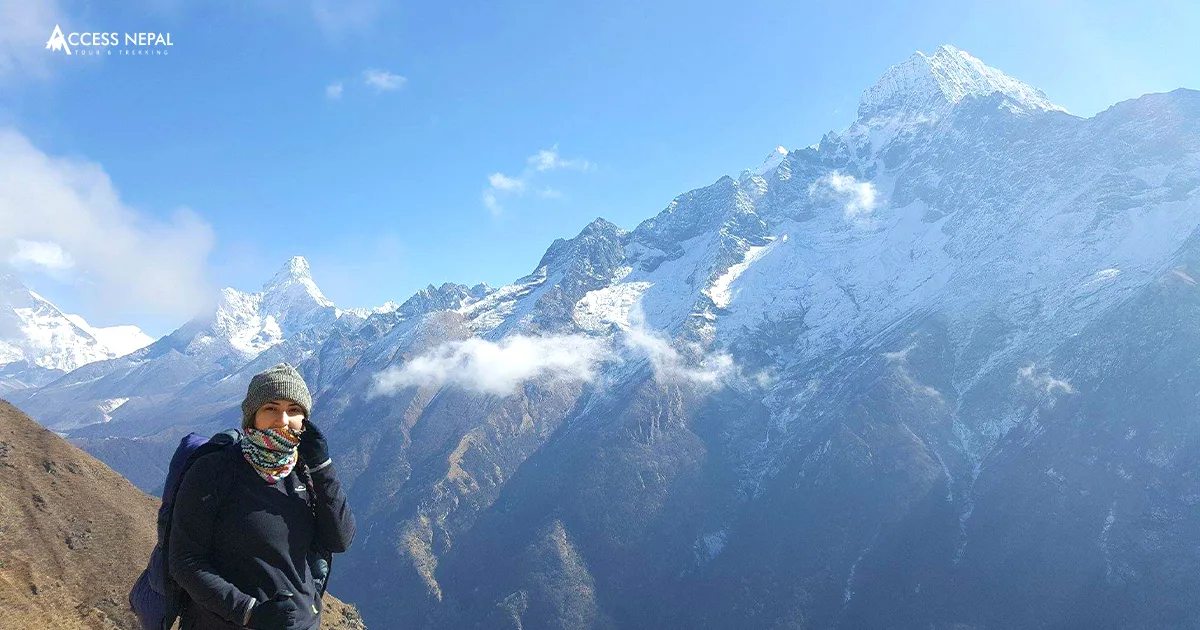
On the way to Everest Base Camp
The Everest Base Camp Trek itinerary is carefully designed with acclimatization days, enough stops, and trekking hours. Anyone with good physical fitness and support can do the complete Everest Base Camp Trek safely.
Trek throughput is moderate in distance. We suggest travellers prepare mentally, also due to altitude difficulties.
During peak season, Lukla flights opeartes from Ramechhap Airport due to high traffic. During other season it normally operates from Kathmandu. However, prepare it accorodingly as Lukla flights have some chances of cancellations due to poor weather.
Everest Base Camp Trek in March: Difficulty, How To Prepare?
The Everest Base Camp Trek is a moderate-level adventure that doesn’t require any technical skills. However, ta rekker still must be physically fit and able to tackle a strenuous high-altitude trek. Therefore, for safety preparation is essentail part.
The trek to Everest Base Camp won’t need climbing skills; anyone with great endurance and physical fitness can join this adventure. For the best result, we suggest trekkers prepare themselves physically and mentally 2 or 3 months in advance. Physical training, such as cardiovascular fitness and strength endurance are very useful. Trekkers can do exercises like hiking, running, swimming, or cardio.
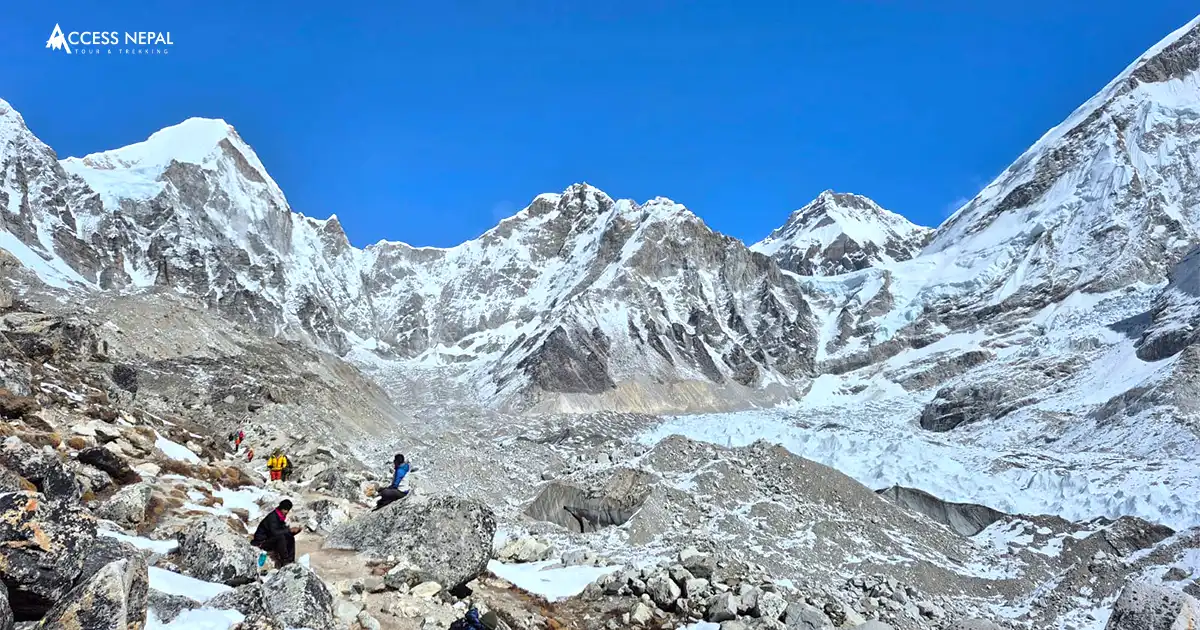
Everest Base Camp Trek
We also recommend that you go for a short hike to nearby hills, carrying a backpack. Aim to complete at least 10+ km distance carrying 10 to 15 kg, eventually increasing distance and elevation.
Some tips to prepare physically are:
- 4-6 cardio sessions per week, about 45 to 60 minutes each, to develop endurance level.
- Two days of strength workouts (legs, core, and back) daily.
- Yoga to improve flexibility.
- Core strength, stretching, and training core muscles to prevent injury.
- Meditation for mental preparation
Acclimatization
Another major part of safe trekking is including an acclimatization day in between. Avoid shortcuts and rushing during the trek. Walk on a slow pace, gradual altitude gain, and drink lots of water. Most importantly, listen to your body. If you have any illness or injury, consult with your doctor before joining this trek.
Gears and Equipment during the Everest Base Camp Trek
What type of gears you bring are equally essentail part of the Everest Base Camp Trek. The trek involves walking for a long duration for several days. Therefore, trekkers must pack light but smart. In the given below, we have a comprehensive packing list for this trek:
- Moisture-wicking base layer
- Fleece or down jacket
- Waterproof/windproof jacket
- Down jacket
- Thermal suits
- A warm hat, gloves, and buff/neck gaiter
- Sturdy and waterproof trekking boots (with good ankle support)
- Duffel bag (to carry water, snacks, extra clothes, camera).
- Sleeping bag
- Trekking poles
- Headlamp
- Purification tablets
- Sunglasses and sunscreen
- High-energy snacks (nuts, chocolate, energy bars)
- First aid kit (plasters, band-aids, antiseptic, ibuprofen, Imodium, altitude medication)
- Phone and camera, plus a power bank
- All required important documents
- Lip balm, wet wipes, toilet paper, a travel towel, and zip-lock bags for rubbish.
It advise not to compromise on the right gear. At high elevation trekking, every steps is crucial for your safety. To safely complete the trek, bringing a relaible euipemnt and gears is need. Do not overlook this adventure just because it’s a non-technical.
Altitude Sickness & Trekking Safety
The major risk of the Everest Base Camp Trek in March is altitude sickness. Located at 5,364 m, Everest Base Camp has a low level of oxygen in the air. Even if you are healthy, young, or experienced, you can still be affected by Acute Mountain Sickness (AMS). The common symptoms of altitude sickness include headache, nausea, weakness, dizziness, and difficulty breathing.
Therefore, prevention is a crucial part of the preparation. The major solution is acclimatization. If altitude sickness is not taken care of, it can lead to HAPE (pulmonary edema) or HACE (cerebral edema). The chance of getting altitude sickness increases from above 2,500 m to 3,000 m.
Prevention:
Throughout the Everest Base Camp Trek in March, Access Nepal Tours and Trekking follows “climb high, sleep low.” These rules mean climbing high during the day and sleeping at a lower elevation at night.
Likewise, acclimatization is another major solution. Our Everest Base Camp Trek in March itinerary includes two acclimatization days at Namche Bazaar and Dingboche, allowing for gradual elevation gain. We highly recommend that trekkers drink plenty of water, avoid skipping meals, get sufficient sleep, and rest properly.
Foremost, avoid alcohol and smoking consumption as it worsens altitude sickness and causes dehydration. Some trekkers also bring altitude sickness medicine. It is only suggested to take after consulting with a doctor.
Our guides will monitor you closely throughout the journey. They also carry an oximeter to check your oxygen level. If you feel any discomfort or symptoms of AMS, inform your guide immediately. They will help you descend or provide medical service depending on your condition. Descending immediately is the best solution to handle the mild symptoms.
Everest Base Camp Trek is generally safe adventure. Altitude makes the environment harsh. Avoid trekking at night and share your itinerary and route of each day daily to someone. Do not trek in bad weather conditions and strictly follow the guides instruction.
Travel Insurance
Travel insurance for the Everest Base Camp Trek in March is mandatory. Without insurance as well as guides, the Nepalese Government doesn’t allow trekking in the Everest region.
Therefore, when buying travel insurance, go through their policy and know what’s included. For safety, your insurance must cover helicopter evacuation above 6,000 m and emergency medical conditions. For more detailed information on what type of Travel insurance to buy, read Nepal Travel Insurance.
When to Trek to Everest Base Camp? (Best Season)
The best time for the Everest Base Camp Trek is Spring (March to May) and Autumn (September to November). These are the peak trekking seasons inthe Everest region. Although it can be done throughout the year, it is still best to do in best time for safety and a better experience.
- Spring (March to May): During spring temperature drops and the weather gets warmer, ideal for trekking. It also offer visiblity, clear blue, and trails of blooms in colourful flowers. Since March is the start of peak season, the crowd gets moderate. Therefore, the Everest Base Camp Trek in March is a popular month.
- Autumn (September to November): It is the most popular season for doing a trek. The stable weather and moderate temperature creats favorable environment for trekking. Another good part of trekking in Autumn is that it is also the festival season in Nepal (major festivals Dashain and Tihar). Trekkers might get a chance to experience the culture and tradition firsthand.
Many also do trek in other seasons like Summer/Monsoon (June to August) and Winter (December to February). However, it is only suggested for highly experienced trekkers.
- Summer/Monsoon (June to August): In Nepal summer and monsoon season coincides. Though the days are warm, the lower altitudes experience heavy rainfalls, resulting in slippery trails, muddy routes, landslides, and leeches. Surrounding visiblity are also poor. Due to cloudy weather, Lukla flights are also often canceled. Not recommended for EBC.
- Winter (December to February): Trekking to Everest Base Camp in winter is harsh. At high elevation, the temperature gets extremely cold, -20 °C and below at night, even in lower villages. The trails and passes get blocked with heavy snow. Only experienced trekkers are recommended to do this trek in winter.
To summarize, doing the Everest Base Camp Trek in March is the most suitable month. Since it starts right after the winter season, the weather, views, and route are in the best shape. Most trekkers do the EBC Trek in peak seasons only.
Everest Base Camp Trek is best to do from early March through May, and again from September to early November. If you are aiming for March window, you will expereince less crowded and beautiful scenery.
Is It Safe to Everest Base Camp Trek in March?
Yes, the Everest Base Camp Trek in March is one of the safest months to do this trek. After preparing mentally and physically, trekkers can complete the trek to EBC comfortably. Moreover, March is one of the peak trekking months. Spring in the Himalayas has stable weather conditions, dry trails, and clear surrounding views.
Similarly, in March, days are longer, and trails don’t get crowded like in September or October. The biggest caveat of doing the Everest Base Camp Trek in March is its still feels like winter. At higher elevation places like Kala Patthar and Base Camp, you can still find patches of ice or snow. Therefore, high-quality trekking boots with good ankle support and grips trekking boots is recommended.
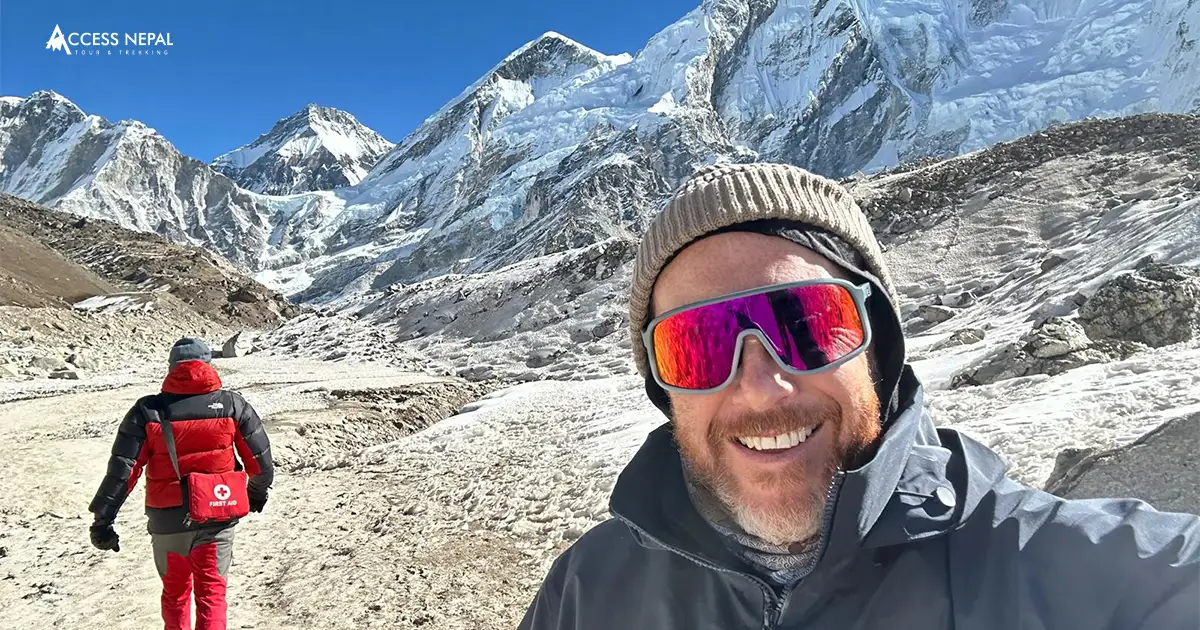
Everest Base Camp Trek
Furthermore, it has va ery low risk of avalanche on the classic EBC route. The routes of the trek don’t go below the glaciated slopes. However, if you are planning any off-trail side hikes (like the Everest Three High Pass ), consult with your guides. With Access Nepal Tours and Trekking, great care, support, and guidance, beginners can also do this trek.
Flight delays and cancellations during spring are possible but have a low chance. Similarly, to avoid air traffic, flight delay, or cancellations, Lukla flights operate from Ramechhap Airport. As a backup, still keep your itinerary flexible.
March falls in the peak trekking season in Everest. So, the Everest Base Camp Trek in March is one of the safest months to do it. It’s the best time to avoid monsoon rainfall and harsh winter. In March, nature starts blooming with crispy air, dry trails, and stable weather conditions. Still, you must prepare yourself physically and overall, like:
- Awareness of altitude (stop if needed),
- Appropriate gear and equipment for cold nights,
- Flexibility for flight changes,
- Good insurance.
If you follow the precautions and guide instructions, you can do the Everest Base Camp Trek in March safely and comfortably. Also, enjoy the benefits of trekking in March: clear views, moderate weather, breathtaking scenery, and a trekking-friendly environment.
Pros and Cons of Doing the Everest Base Camp Trek in March
Before joining the Everest Base Camp Trek in March, you must know the advantages and disadvantages. This helps you prepare and plan for the journey accordingly.
Pros of a March EBC Trek
- Clear skies and great visibility: Spring weather offers clear surrounding views of Everest and other Himalayan giants. Skies mostly stay clean and blue with few clouds. The views are perfect for photographers and scenery lovers.
- Warm Temperatures: Days and afternoons are warm, ranging from 10 to 15 °C at mid-elevations. Daylight is also longer, and temperatures are comfortable for hiking.
- Blooming Rhododendrons: The trail blooms with colourful rhododendron and other alpine flowers. The red and pink blooms all over the route, especially around Namche and beyond feels like a movie scene.
- Fewer Trekkers than April/October: Since the start of peak season, the route has moderate traffic. March is less congested and has fewer crowds.
- Full Services Available: Availability rate of teahouses and other facilities is high and open (unlike winter). Other services and accommodations are more good incomparison to peak time.
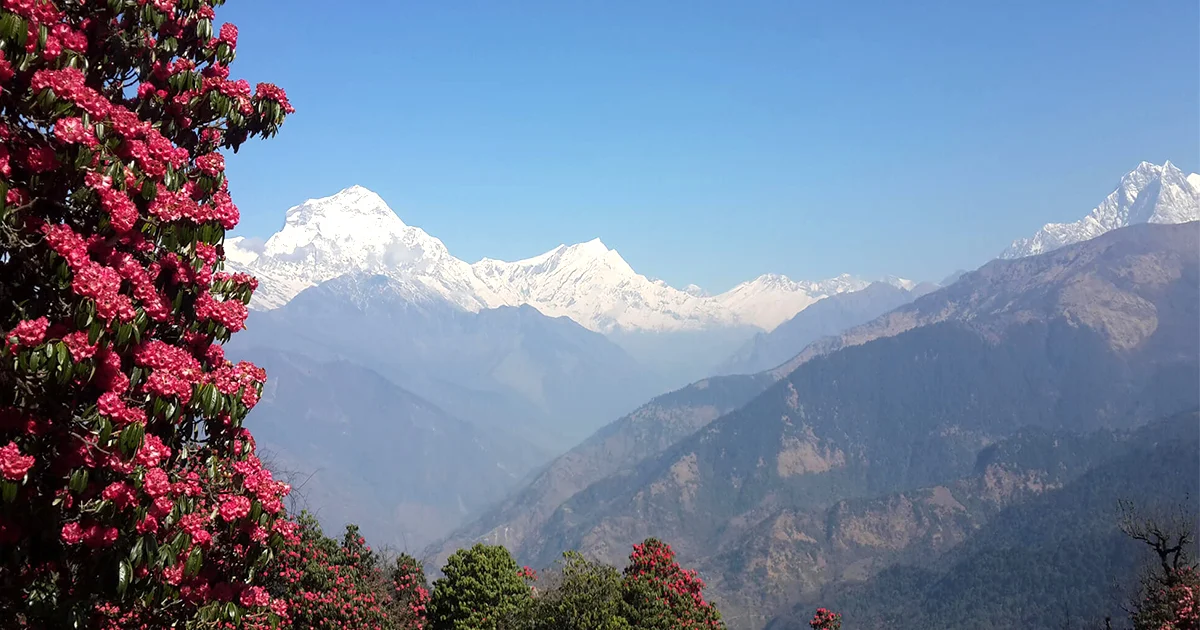
Colorful rhododendron on the way to Everest Base Camp
Cons of a March EBC Trek
- Cold Nights and Early March Chill: Incomparison to days, mornings and nights are cold, especially at high elevation. Travellers can find frost and ice in the mornings.
- Possible Snowfall Early: Though chances are very low, snowfall can occur in early March. However, they are not as hazardous for trekking as a winter snowstorm. The route might be temporarily blocked, but it usually melts quickly.
- Flight Uncertainty: Despite spring being clear, Lukla flights may still get delayed or cancelled. It’s a weather-dependent flight, so it’s unavoidable. Flight ticktes gets booked fast since it’s one of the busiest times for Everest flights. Trekkers must book their flights in advance.
- Variable Warmth: Temperature may vary at lower altitudes as days are a little sunnier, and hiking under a big sun might be tiring for many. Wear lots of sun protection and drink lots of water to avoid sunburn and dehydration.
- Still High Altitude: Whatever season you choose, altitude sickness is unavoidable in any season. Even if you feel you are doing well, do not push yourself to ascend quickly. Whether you feel good or best, a gradual ascent is required.
- Preparation Needed: Despite trekking in March, trekkers must still carry proper winter gear.
Is it Worth it? Yes, the Everest Base Camp Trek in March is very worth it because the advantages outweigh the disadvantages. They are minor, which can be avoided with good preparation. If you trek in March, you will get to expereince best of both seasons. Weather, landscapes, and mountain views won’t disappoint trekkers in March. It is one of the best times to visitthe Everest region.
Everest Base Camp Trek in March Cost
The standard Everest Base Camp Trek cost is $1,490 USD per person. It’s an all-inclusive package which covers all the expenses of accommodation, food, transportation, permits, guides, and porters. Once it’s booked, the trek is guaranteed to run. Access Nepal Tours and Trekking also includes some gifts and a complimentary.
However, if you are preparing to do this without Access Nepal Tours and Trekking, here are cost breakdown:
- To and Fro Lukla Flights: The Everest Base Camp Trek route requires you to fly from Kathmandu to Lukla. The one-way Lukla flight tickest cost around $225 USD per person. For a round-trip, it may cost $450 per person. During peak season, the Lukla flight operates from Ramechhap, where flight tickets are around $175 USD per person. Though you have to drive for 5 to 6 hours from Kathmandu. Expect delays, cancellation or reschedules. Plan extra buffer and buffer days in your schedule.
- Guide and Porter: Without guides trekking in Everest is not legal. You must hire a local guide to do the Everest Base Camp Trek. The guide’s cost may vary depending on the experience of the guides. They typically cost $30-35 per day. Similarly, porters are also essential to carry heavy loads. They may charge you $15 to 20 per day or kg. For a 14-day itinerary, a guide’s salary might cost $420, and a porter $280.
- Accommodation & Food: Most of the Teahouses along the trail are family-run, basic lodging. The standard rooms come in twin-sharing with shared bathrooms. The cost for accommodation is around $5-10 per night at lower elevations, rising to $10-15 at higher elevations. Similarly, foods like dal bhat, noodles, soups, etc., cost around $6-10 at places like Lukla, Phakding, and Namche, and go up to $12-20 at higher altitudes. Estimate a budget of $25-40 per day on food. For a 14-day trek, it might cost you $500 to $700 just on meals.
- Gear and Extras: If you are buying new gears, the cost might go up. Otherwise, if you are renting, they might cost you less. Also, estimate money for other expenses like drinks, snacks, shower, internet, and electricity.
Everest Base Camp Trek in March Permit
For the Everest Base Camp Trek, you must have these permits: Sagarmatha National Park Entry Permit, a Khumbu Pasang Lhamu Rural Municipality Permit, and a TIMS (Trekkers’ Information Management System) card. You can buy these permits from the office of the Nepal Tourism Board in Kathmandu.
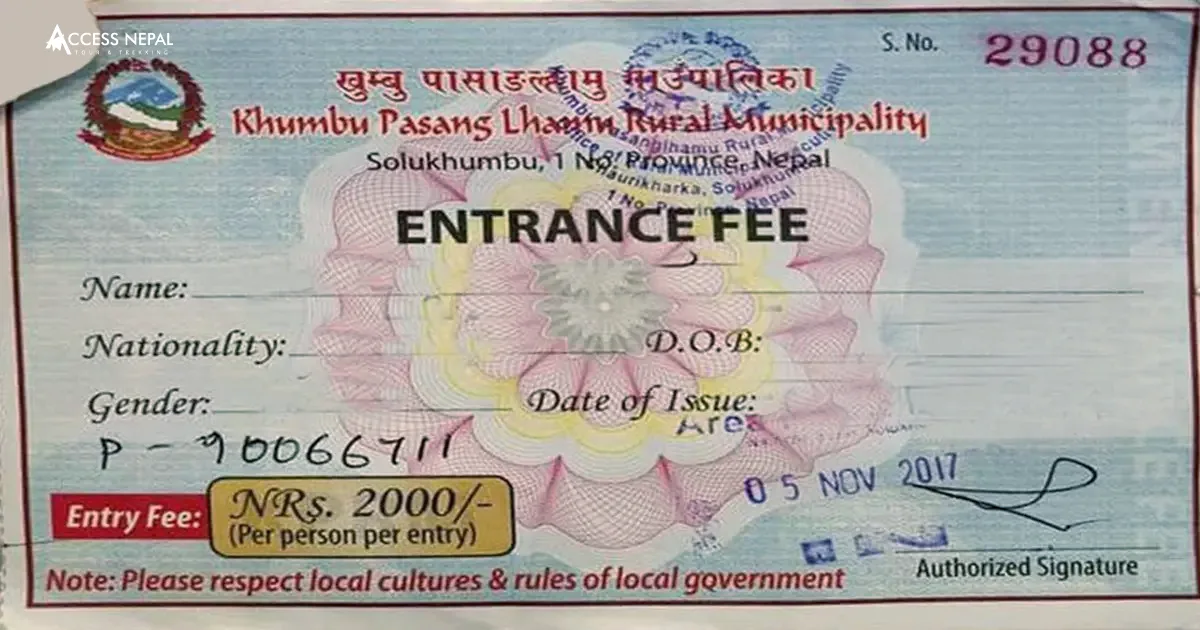
Everest Base Camp Trek Permit
The cost of the Sagarmatha National Park Entry permit is $28, the TIMS card is $17, and the Khumbu Municipality fee is $17. To get these permits, you’ll need a passport photocopy and photos. All the required permits for the Everest Base Camp Trek package are included in the package.
Why Choose Access Nepal Tours and Trekking for the Everest Base Camp Trek?
Access Nepal Tours and Trekking’s Everest Base Camp Trek is designed by a professional with decades of experience. If you travel with a reliable, licensed, and local company like us, you do not have to worry about any travel logistics. Just prepare your body, and we will handle everything.
Our Everest Base Camp Trek in March package or any month is all-inclusive. It includes Lukla flights along with private airport transfer. Accommodation throughout the journey, as well as meals, including the welcome and farewell dinner, is covered by the package.
Similarly, all required permits, licensed guides, and porters are also included. We also handle or arrange emergency helicopter evacuation and medical services (covered by your travel insurance). That’s why buy a travel insurance that covers high-altitude trekking, helicopter evacuation above 6,000 m, and medical expenses of at least $100,000 coverage.
With this much of preperation, you’ll enjoy the experience every second throughout the trek rather than suffer.
Everest Base Camp Trek in March FAQs
When is the Everest Base Camp Trek possible?
The Everest Base Camp Trek is possible throughout the year. However, the best, safest, and most popular times to do it are in spring (March to May) and autumn (September to November). This also means, Everest Base Camp Trek in March is actually recommended and a great time to do.
How long does the trek take?
The standard Everest Base Camp Trek itinerary is 14 days long. The duration may vary depending on the itinerary, route, acclimatization days, and trekking pace. The 14-day route covers about 130 km (80 miles) of total distance. The average hiking hours are 5-7 per day.
Do I need special fitness?
Not special, but yes, you must be in good physical shape to do the Everest Base Camp Trek. Anyone with great physical fitness and training can complete this trek easily. Prepare your body 2 or 3 months in advance by doing exercises like cardio and strength training. The Everest Base Camp Trek is moderate level trek. It doesn’t require technical climbing skills.
You can also book our Christmas Holiday Package and celebrate the season with unforgettable experiences, festive cheer, and hand-crafted itineraries designed for a magical holiday escape.
Awards and Achievements
Access Nepal Tour and Treks has been recognized with TripAdvisor’s prestigious Travelers’ Choice Award for multiple consecutive years, reflecting our unwavering commitment to quality and clients’ satisfaction.











Leave Your Comment