OFF
Discounts are solely based on your group size. We do not add anyone to your group.
- Best Price Guarantee
- Hassle-Free Booking
- Team of highly experienced Experts
- Your Happiness Guaranteed
Book Now. No Booking or Credit Card Fee
- Schedule Your Own Dates
- Group Discounts
- Guaranteed Departures
- Easy Cancellation
- 60% Repeated Customers
-

- Duration
- 12 Days
-

- Transportation
- Private Vehicle
-

- Trip Grade
- Moderate
-

- Max-Altitude
- 6,189 meters/ 20,305 feet
-

- Accomodation
- Teahouse & Tent
-

- Primary Activity
- Trekking & Climbing
-

- Meals
- B|L|D on Trek, |B| in KTM
-

- Best Season
- Spring & Autumn
-

- Distance
- 125 km/ 77 mi
Island Peak Climbing, an expedition for nature lovers and adventurous souls. This destination shows you the pure beauty of the Khumbu region, home to Mount Everest (8,848 m). The majestic snow-filled mountains and Sherpa culture humble all of us.
Island Peak stands tall at 6,189 meters (20,305 feet), surrounded by the sea of Himalayan ice and peaks. This package offers the best thrilling high-altitude adventure with the help of a climbing expert and professional guides.
The Island Peak Climbing Itinerary consists of 12 days and takes the travelers through the classic trails of Sagarmatha National Park (a UNESCO World Heritage Site). From the moment you start, each stop along the route is a natural masterpiece. Reaching the Ama Dablam Base Camp to see the steep pyramid-shaped mountain, Ama Dablam (6,812 m), summiting Chhukung Ri (5,550 m) for 360-degree Himalaya views, and making it to the top of Island Peak.
This Island Peak Climbing package is all-inclusive that covering all the Island Peak Climbing cost of accommodation, meals, permits, expedition guides, porters, climbing gears, and transportation.
If you want some spiciness in your life, join our Island Peak Climbing package, expertly designed with acclimatization, keeping safety and success in mind. The Island Peak Climb is best for spirited trekkers. Challenge yourself and enjoy one of the best Himalayan views in the world up close.
With our all-inclusive Island Peak Climbing cost, the package is a wonder of thrill, beauty, nature, and the Himalayas. The warmth of Sherpa smiles, sipping a tea at 5,000m, trails decorated with prayer flags, and breathtaking mountain views are something you can experience elsewhere.
Island Peak Climbing Highlights
- Trek to Island Peak Base Camp (5,100 m).
- Summiting the Island Peak (6,165 m) and watching panoramic Himalayan views at sunrise.
- Climbing Chhukung Ri (5,550 m) for a 360° panorama of Everest, Lhotse, Nuptse, and Island Peak.
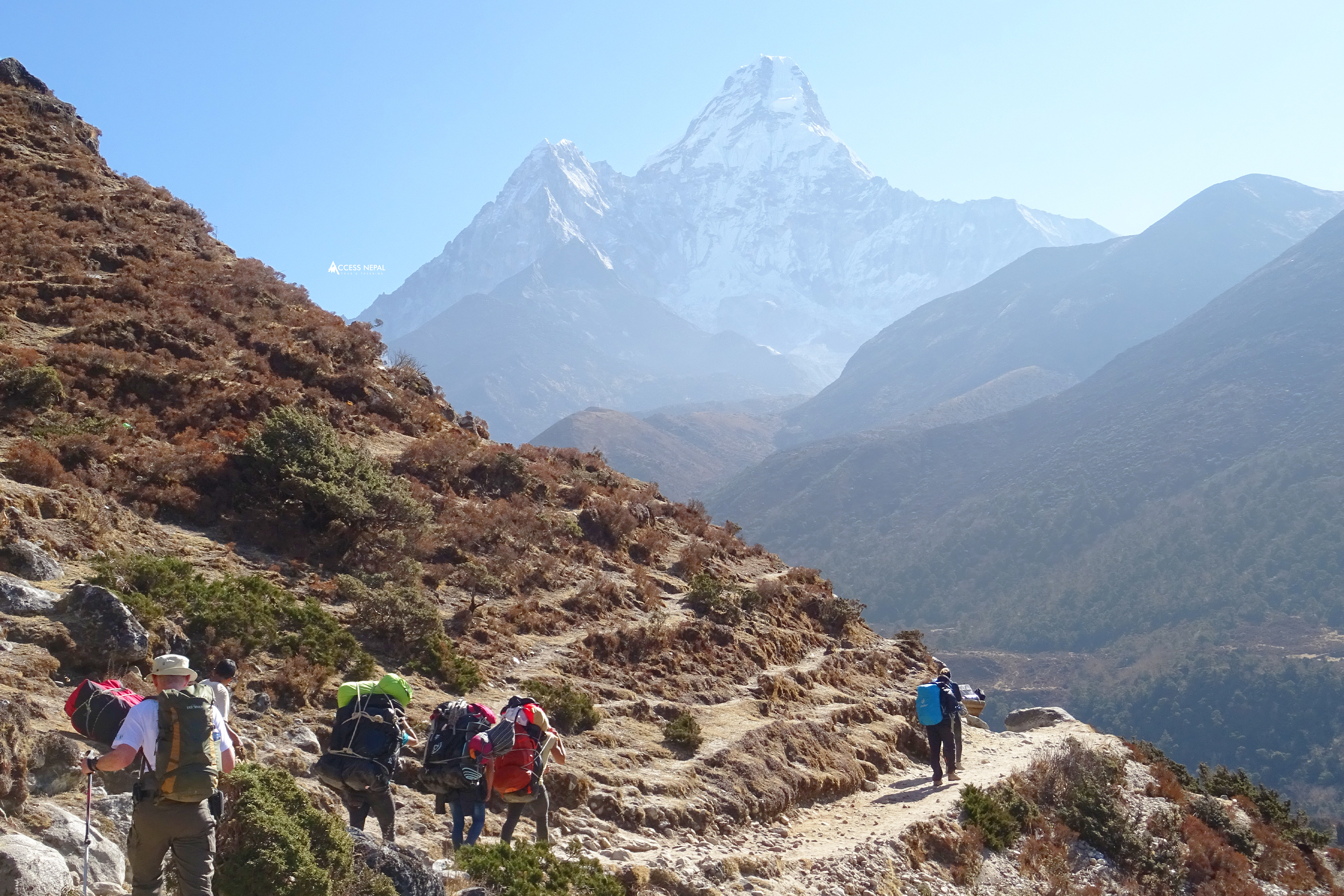
- Hike to Ama Dablam Base Camp (4,600 m) and watch Ama Dablam (6,812 m) and other 6000-7000m peaks.
- Sunrise and sunset views of Everest and Ama Dablam from Tengboche Monastery (3,867 m).
- Hike through Sgarmatha National Park and the classic trail of Everest Base Camp.
- Namche Bazaar (3,440 m), the famous Sherpa capital.
- Thrilling high-altitude flight from Kathmandu (1,440 m) to Lukla (2,860 m).
- Helicopter transfer from Dingboche back to Lukla.
- Sherpa culture, local cuisine, and Everest region traditions (monasteries, prayer rituals, and more).
Island Peak Climbing Itinerary Route
The Island Peak climbing itinerary is a 12-day-long adventure. Day 2 of the trek officially starts with an early morning flight to Lukla airport, one of the world’s thrilling flights. Flying over the green hills, rivers, forests, and clouds, we arrive at tiny Lukla airstrip (2,860 m).
At Lukla, massive mountain views of the Khumbu region welcome you. From here on, we move ahead on foot. We walk along the Dudh Kosi River valley, hike through pine and rhododendron forests dusted with snow. Leaving behind the rustic teahouses and suspension bridges, we reach Phakding (2,610 m). Enjoying the distant views of Nuptse (7,861 m) and Thamserku (6,623 m) glowing at sunset, we rest for a night.
The Island Climbing continues toward Namche Bazaar (3,440 m) on day 3. Breathing in the crisp Himalayan air, humming with local people’s folk song and the gentle bells of grazing yaks, the trek gets more fun. After having a warm breakfast, we pass through a series of suspension bridges over the rushing Dudh Kosi. As you cross the bridge, below you can see the gurgling Dudh Koshi river splashing on giant stones. As we hike more, the rhododendron forest gradually fades, welcoming rugged alpine terrain.
We rest for a bit at Monjo, then continue the last steep switchback and finally arrive at Namche (3,440 m), gateway to Everest. This town is a popular tourist hub and is known for the lively Sherpa market. It is a key acclimatization point where you can enjoy the views of Everest (8,848 m) and Lhotse (8,516 m). Go sightseeing in the town, watch Sherpa traders in bright traditional clothing, stalls of local crafts, and visit cozy cafes and bakeries.
We stay for another day in Namche Bazaar, to adapt our bodies to the altitude. For acclimatization, we go for a short hike to the Everest View Hotel (3,880 m), the world’s highest located hotel. From here, you can enjoy the sunrise panorama of Everest, Ama Dablam, Thamserku, and many more. We rest for a night, sipping a warm butter tea and watching Tibetan Mastiffs snooze by the fire.
Day 5 of the Island Peak Climbing Itinerary continues to Pangboche (3,985 m). After breakfast, we descend into the Dudh Kosi gorge and gradually climb through rhododendron forests. Along the way, stop at Tengboche village (3,867 m) for lunch. It is another Sherpa village popular for Tengboche Monastery, the biggest in the region. The journey continues north slowly, following the Imja Khola and finally arriving at Pangboche. From this village, you can get a clear view of Ama Dablam. You can feel the thin air. After a warm dal-bhat, we sleep at Pangboche.
For acclimatization, we spend another night in Pangboche. Here comes another highlight point of the Isaland Peak Climbing Packages. Today, we are going for a hike to Ama Dablam Base Camp (4,600 m). We eat breakfast, set off for a hike, walking through a willow forest paved with a rocky path. From the Ama Dablam Base Camp, we get the closest view of the south face of Ama Dablam, Lhotse, and Island Peak as well.
We return slowly, intoxicated by the scent of alpine earth and wild rhododendron. We enjoy the warm dinner at Pangboche. At this altitude, the simple tea tastes delicious. We call it a day and rest for a night; our legs and lungs have worked hard today.
Day 7 leads us toward Chhukung (4,730 m). Following the trail of the classic Island Peak climbing route, we climb gradually from Pangboche. During spring, the trails through stony meadows bloom with colourful wild flowers. The landscapes slowly change from dwarf birch and juniper to open moraine and icy streams.
We pass by Dingboche (4,410 m), a popular stop along the EBC trail. The trail then switches back to Chhukung (4,730 m), our destination. The air gets thinner, and simple tasks like walking also make you breathless. After a long journey, we eat a hot dal-bhat meal and rest for a night in Chhukung Valley Base Camp.
Day 8 of the Island Peak Climbing Itinerary is another key part of this adventure. Today we are going to climb Chhukung Ri (5,550 m). After a steep climb, from the top we can enjoy one of the best panoramas in the region: a full 360-degree view of Everest, Lhotse, Nuptse, Ama Dablam, Kangtega, and, of course, Island Peak’s own nearby ridge. This hike requires us to use our hands and legs due to rough terrain, but the view from the top of Chukkung Ri makes it worth it. We return to Chhukung village to rest and prepare for tomorrow’s journey.
Leaving behind the Chhukung, we head toward Island Peak Base Camp (5,100 m) on day 9. Climbing along a clear glacier river, we arrive at the base camp. The view of icefalls breaking off from distant peaks, wind-polished granite, and the southeast face of Island Peak above you is mind-blowing. We set up a camp at Base Camp and prepare for tomorrow’s highlight. After a simple dinner in the open-air dining tent under a starlit sky is once in a once-in-a-lifetime experience.
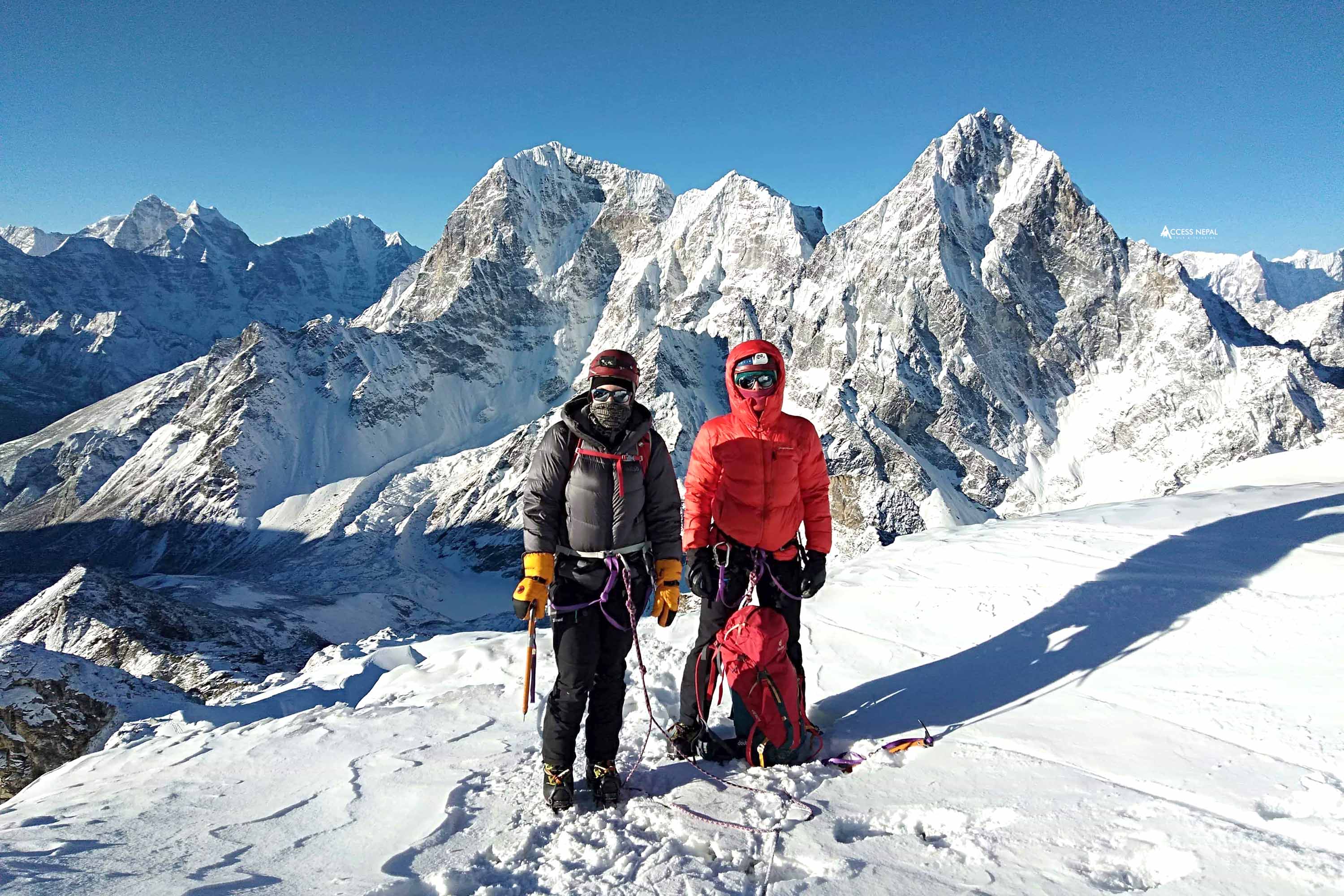
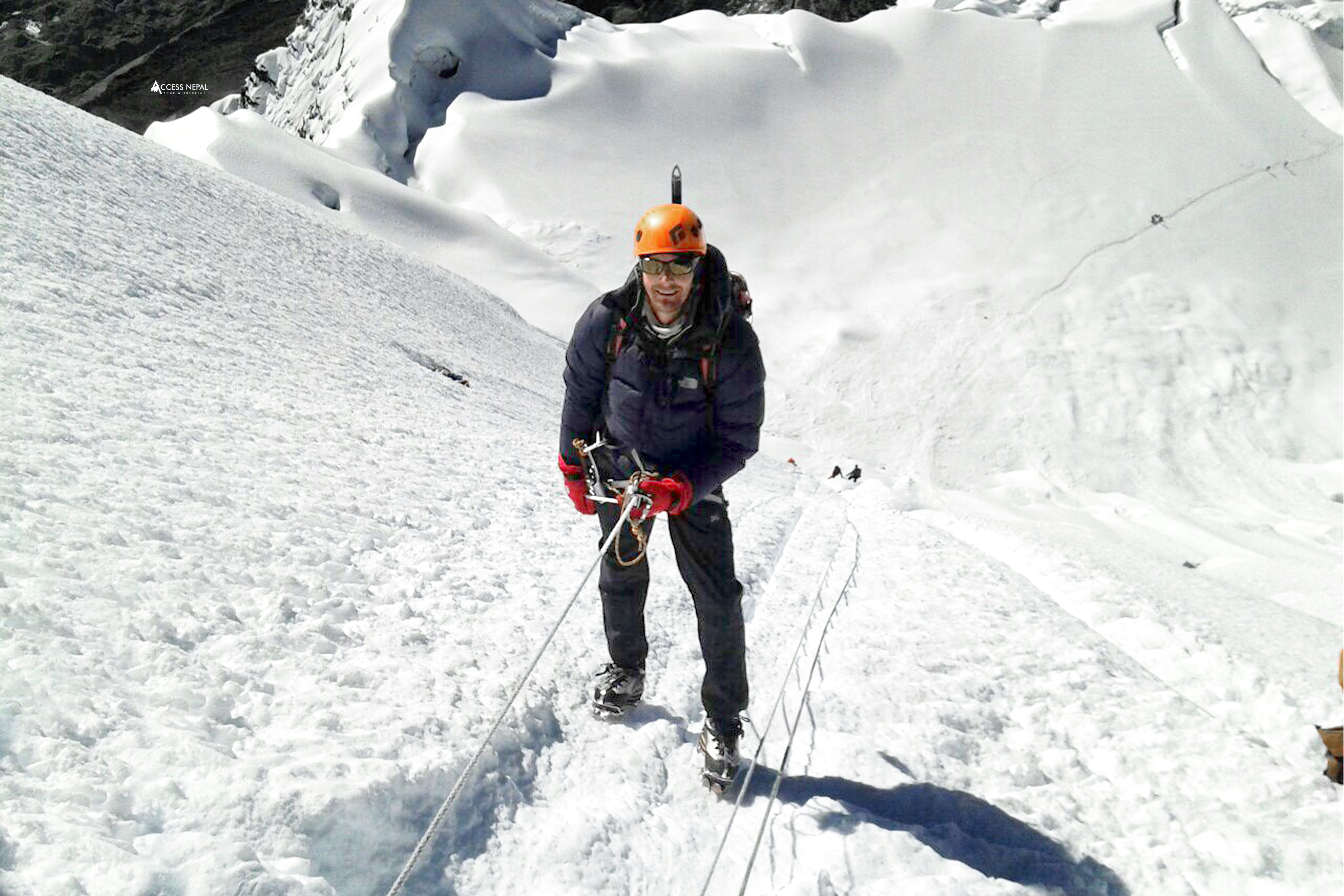
Day 10 is the highlight of Island Peak Climbing. Finally, we are summiting the Island Peak at 6,165 m. Before the dawn breaks, we head to the climbing. Using all the required climbing gear along the team ascends. The silent peak, starry night, ice-chill air, and you climbing under headlamps. As we breathe, we can see bursts of air in the beam of light. As we climb steadily, morning light glows in the eastern sky.
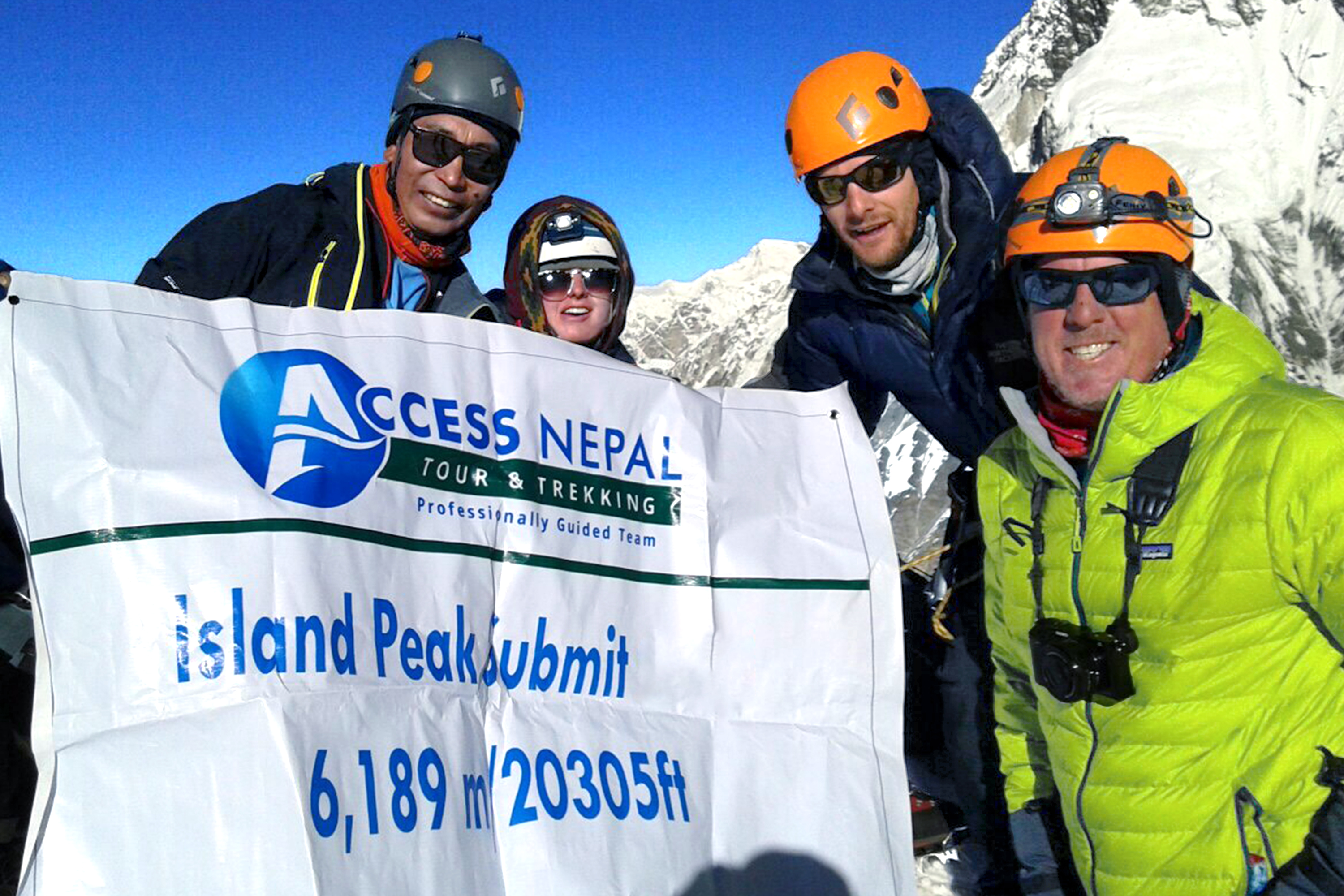
Finally, we stand at the top of Isand Peak Cimbing at 6,165 m, after climbing for hours using fixed ropes. The top of Island Peak offers a 360-degree panoramic view of Mount Everest, Lhotse, Ama Dablam, Kanchenjunga (8,586 m), and many more. Enjoy the breathtaking view of the Himalayas and sunrise above it, and we will get ready for the return.
We descend carefully, following the roped sections, and arrive at base camp. After clearing all our equipment from base camp, we trek to Chhukung. The itinerary today is hard, with whole-body sores from tiredness. So, take a good night’s rest at Chhukung.
We are getting near the end of our Island Peak Climbing Itinerary. Following the same route, we trek to Dingboche (3,820 m) on day 11. Carrying the great achievement, we board a helicopter to Lukla and take another flight to Kathmandu. The adventure of Island Peak Climbing ends with your flight back home on day 12.
Day 01Arrival in Kathmandu
-

- 1,440 m/ 4,724 ft
Day 02Flight to Lukla & Trek to Phakding
-
- 8 km/ 5 mi
-
- 2,860 m/ 9,383 ft
-
- 40 min flight; 3 hrs of trek
-
- 2,610 m/ 8,563 ft
Day 03Trek from Phakding to Namche Bazaar
-
- 11 km/ 7 mi
-
- 3,440 m/ 11,286 ft
-
- 5 to 7 hrs of trek
-
- 3,440 m/ 11,286 ft
Day 04Acclimatization in Namche Bazaar
-
- 5.4 km/ 3.4 mi
-
- 3,880 m/ 12,729 ft
-
- 5 to 6 hrs of trek
-
- 3,880 m/ 12,729 ft
Day 05Trek from Namche Bazaar to Pangboche
-
- 15.12 km/ 9.4 mi
-
- 3,985 m/ 13,074 ft
-
- 5 to 6 hrs of trek
-
- 3,985 m/ 13,074 ft
Day 06Acclimatization Hike to Ama Dablam Base Camp
-
- 7 km/ 4 mi
-
- 4,600 m/ 15,091 ft
-
- 5 to 6 hrs of trek
-
- 4,600 m/ 15,091 ft
Day 07Trek from Pangboche to Chhukung
-
- 4.5 km/ 2.8 mi
-
- 4,730 m/ 15,518 ft
-
- 3 to 4 hrs of trek
-
- 4,730 m/ 15,518 ft
Day 08Acclimatization: Hike Chhukung Ri
-
- 6 km/ 4 mi
-
- 5,500 m/ 18,208 ft
-
- 6 to 9 hrs of trek
-
- 5,500 m/ 18,208 ft
Day 09Trek from Chhukung to Island Peak Base Camp
-
- 6 km/ 3.7 mi
-
- 5,100 m/ 16,732 ft
-
- 3 to 4 hrs of trek
-
- 5,100 m/ 16,732 ft
Day 10Island Peak Climbing Summit; Return to Chhukung
-
- 14 km/ 8 ft
-
- 6,189 m/ 20,305 ft
-
- 10 to 12 hrs of trek
-
- 6,189 m/ 20,305 ft
Day 11Trek to Dingboche then fly to Kathmandu by Helicopter
-
- 300 km/ 186 mi
-
- 4,730 m/ 15,518 ft
-
- 3 hrs of trek, 45 min flight
-

- 1,440 m/ 4,724 ft
Day 12Departutre from Kathmandu
- Private tourist vehicle airport pick up and drop off.
- Twin-sharing accommodation with breakfast at Apsara Boutique Hotel for 2 nights (Day 1 & 11) in Kathmandu (upgrade available at extra cost).
- Hot showers and private toilet bathrooms in Kathmandu.
- Welcome dinner (Day 2) in a traditional Nepali Style with cultural performances.
- Domestic flight tickets from Kathmandu-Lukla (Day 2)
- Sharing Helicopter ride (Day 11) from Dingboche to Kathmandu
- Twin-sharing accommodation for 8 Nights at the teahouses during the trek.
- 1 night’s accommodation in a tent during summit preparation (sharing basis).
- Three meals a day (breakfast, lunch, dinner), 3 cups of tea/coffee, and seasonal fruits during the trek and climbing.
- All required Kitchen supplies (cook, food, kitchen, and dining tent).
- All required group climbing gear.
- Waste management fee.
- 1 Experienced, government-licensed, first-aid trained, English-speaking guide per climber, with insurance and cost covered.
- 1 Porter per two climbers up to Base Camp with insurance and cost covered.
- Farewell dinner (Day 11) in Kathmandu.
- Enough chlorine tablets and hot water during the climb.
- As souvenir: route map, T-shirt, and duffel bag.
- Sleeping bag and down jackets (to be returned after the climb).
- Complete adventure certificate.
- First aid kit (oximeter included).
- Arrangements for Emergency helicopter evacuation and medical rescue.
- Permits and government taxes.
- Nepal Tourist Visa.
- Meals in Kathmandu (except welcome and farewell dinner).
- Travel insurance, extra porters, luggage, internet, charging devices, and other personal expenses.
- Tips for guides and porters.
- Extended trip or stay in Nepal.
Our groups are small with maximum 14 people. We create groups of independent travelers, friends and families which maintains close interpersonal connection, engage more and get into depth of the journey. Choose a date from the calendar to reserve your spot.

Arrival and Welcome
Namaste! Welcome to Nepal. Once you arrive at Tribhuvan International Airport, representative staff from Access Nepal Tours and Trekking will be waiting for you. After baggage clearance on arrival and the visa process, head towards the exit gate. Our team will be holding a company signboard, so you can easily spot them.
Following the warm greetings, you will be transferred to your hotel in a private tourist vehicle. Take a rest or do some last-minute gear shopping around Thamel. We will have a brief pre-trek meeting regarding the safety protocols, itinerary, and route details. If you have any queries regarding the gears, safety guidelines, or suggestions, you can ask them now.
In the evening, we gather for a classic Nepali Welcome Dinner along with cultural performances hosted by Access Nepal Tours and Trekking.
Why Choose Island Peak Climbing?
The Island Peak Climbing is an all-inclusive package filled with adventure. Being beginner-friendly, it offers a one-of-a-kind, thrilling experience. The highest point of Iskand Peak Climbing is 6,189 m. It doesn’t require any technical mountaineering skills and provides the best alpine experience.
The Island Peak Climbing follows the classic Everest Base Camp Route. Besides the main highlight, the summit of Island Peak, other adventures of this package include: Hiking to Ama Dablam Base Camp and Climbing Chhukung Ri (5.546 m). The Island Peak climbing route is well-established, and even first-time climbers with good physical fitness can do this expedition.
Similarly, the adventure of Island Peak Climbing is known for offering jaw-dropping panoramic mountain views. During the trek and climbing, these peaks Everest(8,848 m), Lhotse (8,516 m), Ama Dablam (6,812 m), Nuptse (7,861 m), Cho Oyu (8,201 m), Baruntse (7,129 m), Thamserku (6,623 m), and many more, watch over you.
Island Peak Climbing is the best introduction for first-time, ambitious trekkers.
Island Peak Climbing Difficulty
Island Peak Climbing is a moderately challenging adventure. Though it is a trekking peak, the altitude gain of over 1,000m in a single push from base camp to the summit makes this climb moderately difficult. However, anyone with great physical fitness can do this climbing. This trek is suitable for first-time climbers. It offers equal thrills and adventure.
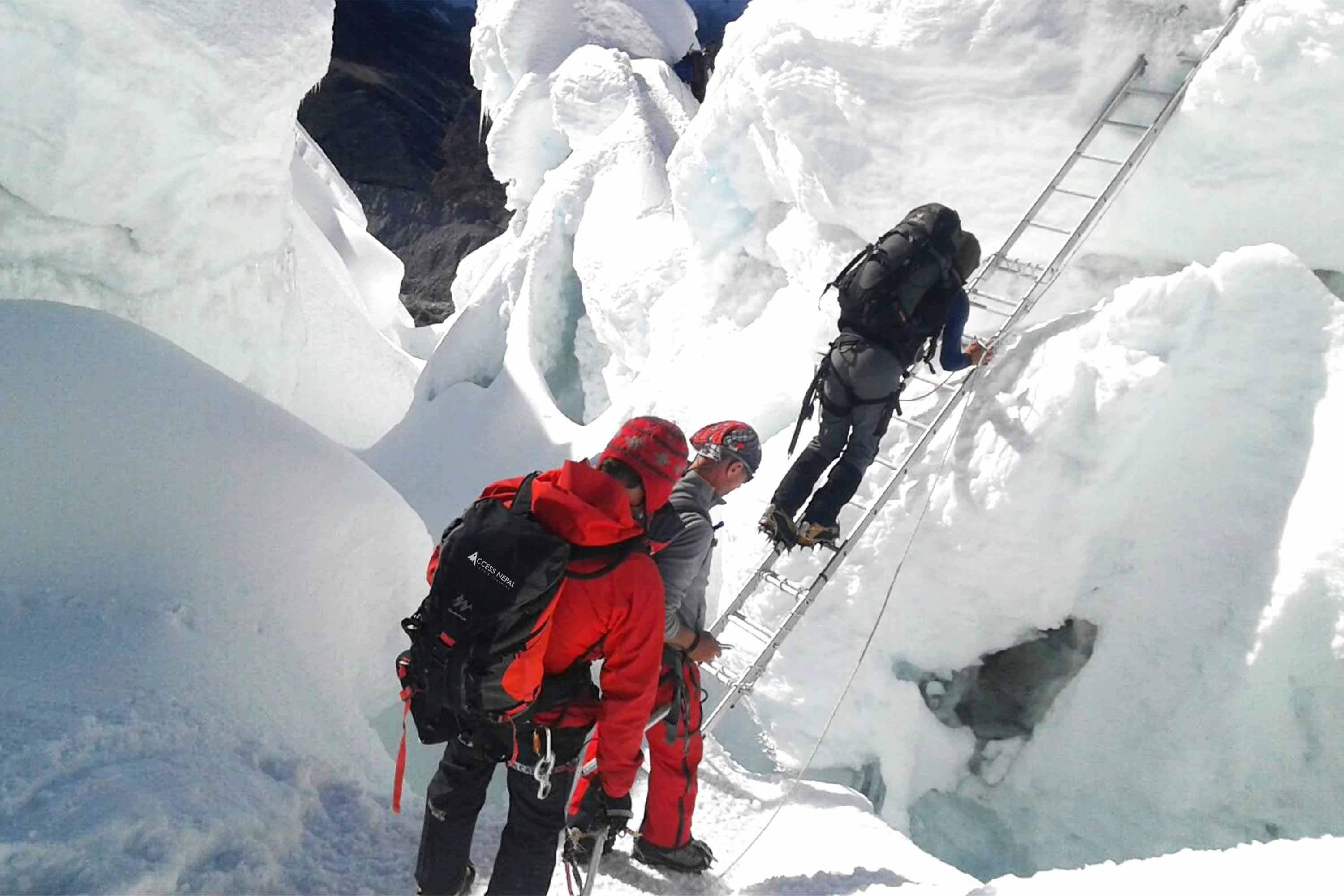
Till the Island Peak Base Camp, the journey is easy. Yet beyond the Base Camp (summit climbing) is difficult due to the rocky moraines and snow terrains. It requires climbers to use crampons, an ice axe, and fixed ropes. Near the summit is the hardest section due to the steep snowy wall. You have to climb using an ascender on a fixed rope. Therefore, good fitness is the major requirement for this climbing. If you have this, then you are a good candidate.
The Island Peak is difficult but has low technical risk. With the help of expert guides and preparation, the success rate is generally high.
Best Time to Climb Island Peak
The best time to climb Island Peak is spring (April-May) and autumn (October-November). These seasons are the peak trekking season in Nepal. Due to the warm and stable weather conditions, clear skies, and great visibility, it is best to do this adventure around this time. The best part of climbing in spring is that the trails will be dotted with colourful rhododendron and wild flowers, making the air filled with a sweet aroma.
Similarly, the benefit of climbing in Autumn is crisp post-monsoon air, dry trails, excellent visibility, and warm temperatures.
Climbing the Island Peak in the monsoon (June-September) and winter (December-February) is not recommended. Lower regions experience heavy rainfalls, muddy trails, leeches, and poor visibility in the monsoon. Likewise, winter brings extreme cold and strong winds.
Therefore, September-November and April-May are popular climbing windows for these reasons.
Permits for Island Peak Climbing
The Island Peak Climbing Permits are Sagarmatha National Park Entry Permit, Khumbu Pasang Lhamu Rural Municipality fees, and the climbing permit of Island Peak. All these permits and their fees are included in the package. From applying to obtaining, the process is done by Access Nepal Tours and Trekking.
You can get permits from the National Tourism Board office in Kathmandu. The climbing permit fees vary by season, during peak season, about USD 350, and in summer and winter, about USD 175.
Accommodation on the Island Peak Climb
All the accommodation throughout the Island Peak Climbing is included in the package. We try our best to provide great comfort and safety to you. The accommodation in Kathmandu is in a twin-sharing basis with private toilets and free hot water and internet.
The accommodation during the trek is are standard room on a twin-sharing basis with toilet on sharing. As you go higher, especially at Dingboche and Chuukung, teahouses are more basic with dorm-style rooms, simple beds, blankets, and shared bathrooms.
During the summit preparation, we will stay in a tent. Because beyond the base camp, there are no teahouses or lodges available. We provide sleeping bags and down jackets free to use (must return).
Dietary Requirements for Island Peak Climbing
Good stamina and energy are crucial for successful Island Peak Climbing. To sustain throughout the journey, our body requires high-calorie and high-carbohydrate meals.
The package includes full board meals (breakfast, lunch, dinner), 3 cups of tea/coffee, and seasonal fruits during the trek. All the meals are organic and locally sourced. The staple dish provided is dal Bhat (rice, lentils, vegetables). It is a very nutritious and balanced, high-energy meal perfect for climbers. Other food options include soups, noodles, porridge, and many more.
Throughout the summit, we provide a cook, a kitchen tent, and all the kitchen essentials. They will cook you three meals a day. During the summit, they will also pack a lunch.
Avoid alcohol and excessive caffeine consumption. Drinking these exacerbates dehydration and altitude effects. We suggest you carry your own energy bars, nuts, and electrolyte powder. These energy bars help boost calories during the day. Only drink purified water (we provide sufficient water purification tablets) and wash your hands to avoid getting sick.
If you have any dietary needs like vegetarian, gluten-free, allergies, let us know beforehand.
What to Expect on the Island Peak Climb?
The Island Peak Climbing is a 12-day journey into the beautiful Khumbu region. Things to expect in the Island Peak Climb are:
- Thrilling flight from Kathmandu to Lukla.
- Hike through the classic Everest Base Camp Trek route.
- Key stops at popular Sherpa villages (Namche Bazaar, Tengboche, Dingboche, Chhukung).
- Breathtaking alpine landscapes, rhododendron forests, high passes, suspension bridges, and Buddhist monasteries.
- Climbing Chhukung Ri.
- Trek to Ama Dablam Base Camp and Island Peak Base Camp.
- Summit to Island Peak.
- 360-degree panoramic views of mountains like Everest, Ama Dablam, Cho Oyu, Thamsekru, Lobuche, and many more.
- Adventurous experience of climbing a peak over steep rocks and snow using fixed ropes, crampons, and an ice axe.
Travel Insurance Required for Island Peak Climb
Travel Insurance for Island Peak Climbing is mandatory. Your insurance policy just covered high-altitude helicopter evacuation, emergency rescue, high-altitude medical treatment, trip cancellation, delays, and lost baggage. Make sure emergency helicopter evacuation covers 7,00 m+ because Island Peak is 6,189m, a higher-tier policy is best recommended.
For more details on travel insurance, go through this blog: Nepal Travel Insurance.
How to avoid Altitude Sickness during Island Peak Climbing?
Island Peak Climbing is a high-altitude adventure. This trek goes beyond the 6,000m height. At this height, climbers have a high risk of getting Acute Mountain Sickness (AMS). The altitude sickness symptoms include headache, nausea, fatigue, and dizziness. If you experience any of these, inform your guide. They will suggest that you rest or descend depending on your symptoms.
Therefore, each second throughout the trek must be done carefully. Acclimatization for higher altitude treks is key to preventing altitude sickness. We follow a strict acclimatization schedule. Our Island Peak Climbing Itinerary sticks to the “Climb High, Sleep Low” rule, which means during the day we climb at high altitude and at night we return to a lower altitude to sleep. Before any big elevation gain, our itinerary includes one acclimatization day.
Similarly, drink lots of water (3-4 liters a day). Our guide will carry a first aid kit, which has Diamox (acetazolamide). Throughout the journey, our guide will monitor your physical condition closely. In case of emergency, we will arrange a helicopter evacuation and medical service. We provide professional, experienced, government-licensed, and first aid-trained guides. With Access Nepal Tours and Trekking, you can make it to the summit with ease.
Packing List for Island Peak Climbing
For Island Peak climbing, proper gear is critical. The essential packing list for this climb is given below:
Climbing gear (all required group climbing gears are provided):
- Ice axe
- Crampons
- Climbing helmet
- Harness
Footwear:
- High-quality trekking boots
- Insulated mountaineering boots
- Gaiters
- Multiple thick socks
Sleeping gear (Included in the Package):
- Wind and water-resistant tents
- Sleeping bag rated to –20°C or lower.
- An inflatable or foam sleeping pad
Clothing layers:
- Thermal base layers
- Fleece or wool mid-layers
- Warm down jacket (provided to use)
- Waterproof-breathable jacket and trekking pants (at least 2)
- High-altitude gloves/mittens
- Hat
- Sunglasses with UV protection
- High-SPF sunscreen
- personal first-aid kit (provide group first-aid kit)
- Water bottles
- Electrolyte packets and energy snacks (nuts, bars, dried fruit)
- Power bank
How to Prepare for Island Peak Climbing?
Good physical and mental preparation is key to success. Though Island Peak Climbing is beginner-friendly, it still requires great physical condition and strong mental confidence. To improve strength, core muscles, and stamina, we suggest you start doing exercises 2 to 3 months before the trip. Exercises to work out your body for climbing are:
- Cardiovascular fitness: Running, jogging, cycling, swimming. These activities help to build endurance. Start with less intensity and gradually increase, so you can continuously work 5 to 7 hours of uphill hiking.
- Leg and core strength: Staircase climbing, squats, lunges, step-ups, and core exercises. These exercises are very good for your legs. It helps you to walk with ease, carrying a heavy backpack during the trek and climbing.
- Hiking practice: Hiking to hills to simulate trekking conditions. For best results, hike on hilly or uneven trails carrying a backpack.
- Flexibility and balance: Yoga, pilates are good at improving flexibility and reducing injury risk. It helps when trekking on rocky terrain. Improves ankle and hip mobility.
- Altitude training: During the rest day, we have included an acclimatization hike. Try to go for a hike because it helps to acclimate your body to altitude. Avoid alcohol and smoking. Take plenty of rest before the trip and do not skip meals throughout the adventure.
- Mental preparation: Do well-mindness training. Climbing is not easy. You have to spend at the mountains with barely any facilities.
How to Book Island Peak Climbing?
You can book Island Peak Climbing by visiting our official website. To reserve your spot, you have to pay 20% of the total trip cost as an advance. You must require travel insurance to book since it’s mandatory for trekking in Nepal.
Once the booking is made, the remaining amount should be provided within 24 hours of your arrival in Nepal. After the booking is done, the Access Nepal Tours and Trekking team will prepare all the logistics required for Island Peak Climbing. Our package handles all permits, transportation, accommodation, meals, guides, porters, and group climbing gear.
Where is Island Peak located?
Island Peak is located near the East side of Chhukung Village in the Khumbu region of Nepal. This peak is also part of the Sagarmatha National Park. It is situated just between the giants Lhotse and Ama Dablam.
What is the height of Island Peak? And how does the altitude affect climbers?
What are the most essential gears for Island Peak climbing?
How much does Island Peak Climbing cost to climb Island Peak? Is it worth it?
What is the success rate of climbing Island Peak?
Can I see Mount Everest from the top of Island Peak?
Do I need special training for peak climbing?
How is the Island Peak climbing itinerary prepared?
What are the things to know before booking Island Peak Climbing?
Why choose Island Peak Climbing?
How difficult is Island Peak Climbing?
How Difficult is the Island Peak Climbing Itinerary?
When is the Best time to climb Island Peak?
What are the necessary permits for the Island Peak Climb?
What type of accommodation can we expect during Island Peak Climbing?
How does the weather affect the Island Peak climbing experience?
Is it safe to attempt the climbing during the monsoon or winter seasons?
Are trekking poles essential or recommended for climbing Island Peak?
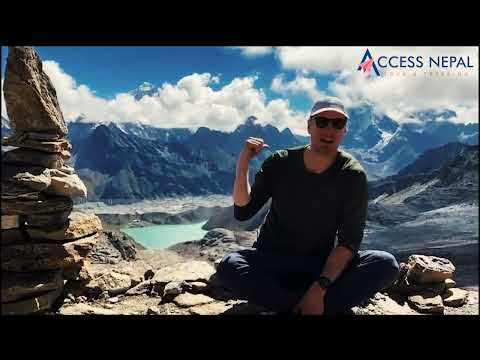
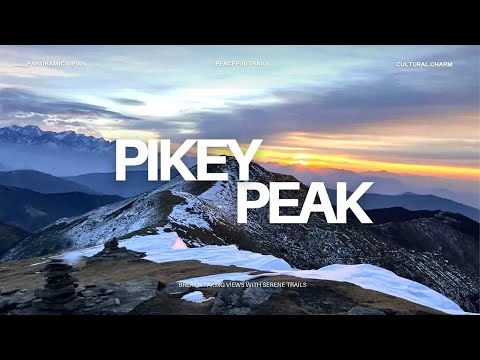
Amazing time doing EBC trek with Access Nepal! I went with Access Nepal for my Everest Base Camp 14 day trek, and I had an incredible experience! From my very initial inquiry, Sadhana was quick to respond and answer any questions. She made me feel very comfortable and connected throughout the entire process, and provided me with all the relevant information leading up to my arrival. When we finally met in Kathmandu to discuss the trek, she was just as friendly and kind and made me feel at ease knowing I was starting the next morning. I was met by my guide Om Prakash at the Kathmandu airport. From there he was with me the entire time as we traveled to Lukla to begin our trek and until I returned to Kathmandu. Om Prakash was an excellent and friendly guide, with so much knowledge of the area, the culture, the route, where to stay and safe places to eat and drink, and he also took the best photos! It was very helpful to have a local speaking guide to handle flight and accommodation logistics on my behalf, making sure I have somewhere to stay and eat every night. Throughout the trek, he managed my health and recommended me the best course of action when I wasn’t feeling 100%. He set the trekking pace accordingly to ensure my best success. Our porter, Bidur, was also extremely lovely during the trek. He handled my things with proper care, always made sure to have it ready on time by the evening, was extremely friendly and nice to talk to, and provided excellent service and companionship. Overall I had a 10/10 experience with Access Nepal: the trip coordinator Sadhana, my guide Om Prakash and my porter Bidur. I would recommend going with Access Nepal if you are looking to conquer the EBC trek or any similar in Nepal!
Emmanuel Saulog Nepal
Awards and Achievements
Access Nepal Tour and Treks has been recognized with TripAdvisor’s prestigious Travelers’ Choice Award for multiple consecutive years, reflecting our unwavering commitment to quality and clients’ satisfaction.