Have you heard the latest breaking news related to travel and tourism from Nepal’s Department of Immigration? If not, then be seated because all the trek lovers are going to surely love it. “Solo trekkers can now get Nepal restricted area permits.” Yes, you heard it right, restricted trekking areas are now open for solo trekking in Nepal. It’s groundbreaking news for all the trekking enthusiasts, especially solo adventurers.
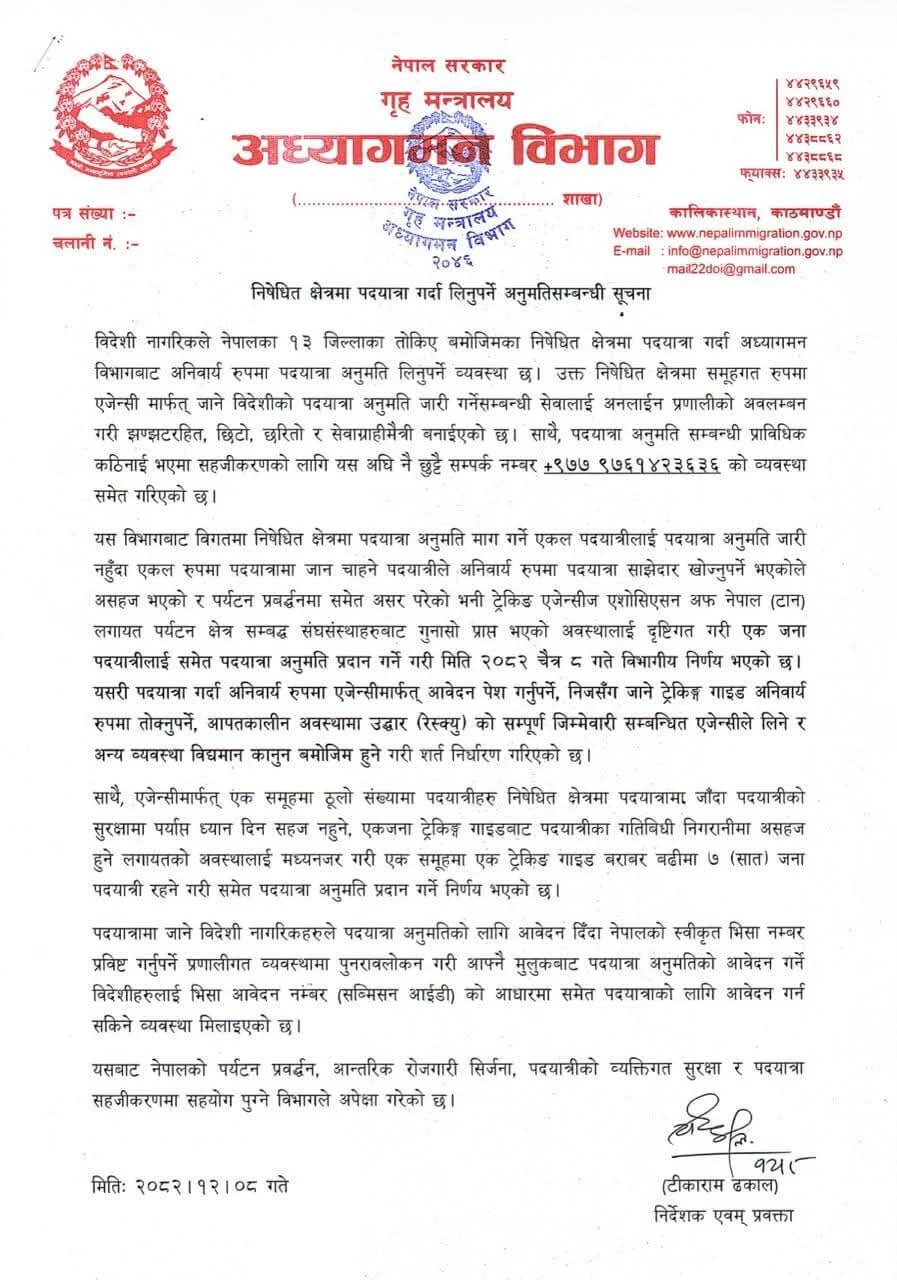
Solo trekking in restricted areas of Nepal was not possible for independent travellers till 2025. As of March 22, 2026, Nepal’s Department of Immigration changed that and made solo trekking possible in the restricted areas of the country. The old rule suggested that a minimum of two foreign trekkers were needed for a permit for trekking in the restricted areas of Nepal.
Thus, solo trekkers either had to be in a group or share the permit with an unknown person, or drop the idea completely. For the independent travelers, that was quite frustrating, but no more. With that, let’s dig deeper and understand what has actually changed and what hasn’t. So, without any further ado, let’s get started!
Now you may be wondering how all of a sudden solo trekking is allowed in Nepal, especially in restricted regions. Before this, the foreign trekkers were completely stopped from doing the trek in the restricted areas of Nepal. They had to pair up with another foreigner in order to do the trek; the permits wouldn’t be provided otherwise.
Despite keeping the rules tight and strict, many people tried to fool the whole trekking association by registering as a group, but in the end, trekking alone. It created loopholes in the entire system, as the rule was not followed strictly by some fellow trekkers.
In order to mitigate this issue, the Trekking Agencies’ Association of Nepal (TAAN) decided to change the rule and allow solo trekking in restricted areas of Nepal. The Government of Nepal & Department of Immigration agreed as well, and allowed the permission to provide permits to solo trekkers to trek in these remote areas.
There are other strategic reasons as well behind this agreement, and it is to boost the tourism industry as a whole. The rule of a minimum of 2+ people mandatory for trekking in restricted areas was limiting tourists, and that was impacting the economy of the industry as well.
Plus, it was hindering the industry growth as well.
Can I Actually Trek Alone in Restricted Areas of Nepal Now?
Yes, but these changes apply to the restricted areas such as Manaslu, Upper Mustang, etc. Previously, the group was required for trekking in these regions, but it is now available to single individuals. Having said that, you might think, “Solo permit is allowed now, so I can go alone.
You have to understand that this means that you can now apply for solo trekking in restricted regions, but it is not fully named as ‘solo’.
This is because you still need a licensed guide, which is absolutely mandatory. And you must book these trek packages through a registered agency. So, overall, yes, you can say that solo trekking is allowed in these regions, but you won’t be all alone.
You need to understand that you can apply as a solo traveler. However, trekking fully alone in restricted areas is still not allowed. You are not given permission to walk in these remote regions without support. The support means you need a licensed guide as a must throughout the journey, and the trek must be booked through a registered agency.
So, what does this mean? This means you can now travel as a single client but not independently (without a guide). The guide will be alongside you, and even the porter, depending on the trek. You walk on the route that the guide shows, and the permits will be managed by the trek agency.
The registered agency will be fully responsible for making sure the solo trek safe and sound. This new rule will fall under the responsibility of the associated agency. From logistics to emergency rescues the agency must maintain safety standards especially in these remote areas.
What Is this New Solo Permit Rule in Nepal?
On March 22, 2026, a slight change in restricted-area trekking rules was made by Nepal’s Department of Immigration in coordination with Trekking Agencies’ Association of Nepal (TAAN). A solo traveler can now apply for a permit in the restricted regions of Nepal without finding another partner.
Previously, a minimum of two persons were needed for the permit. Independent travelers can now apply for the permits all alone. One thing to remember is that even if you trek solo, you still have to go through a registered trekking agency and a licensed guide. You need a guide as a mandatory, no guide means you can’t trek in restricted areas; as simple as that.
So, the ultimate goal behind this is to make the permits available for individuals who cannot find trekking partners. Besides that, all of the rules are the same. In simpler words, we can say the country has opened the pathway for individuals to enter restricted regions.
What Changes were made in the Restricted Area Trekking Rules?
The changes made in the restricted areas were not massive, but were necessary. Previously, you couldn’t do anything. Entering these regions without two people was completely prohibited.
What has changed is that even a single person can now apply for the restricted area permit. You don’t need to search for another person or enter a separate group at the last moment just for the sake of meeting the requirement. This part has changed, and this change made the job easy for people who love traveling or trekking solo.
Apart from this, nothing has changed. The rest of the rules are still the same. Despite the solo permission, you have to book the trek with a registered trekking agency, and a licensed guide is mandatory to navigate the trails. You can’t foreshadow this rule.
What Rules are Still There?
So, let’s discuss what’s still there. The new rule only opened one area, which is obtaining the permit. The rest of the system is the same. The main rules for restricted area trekking are, as usual, which is that the trek should be booked through a registered trek agency and the licensed guide should be with you.
This means you can’t plan the whole trek fully, or it is not under your control. As the licensed guide is mandatory, the guide will help with the navigation and maintain safety. So, even if you’re experienced and have done the trek numerous times before, you should follow the guide and the assigned route.
Thereafter comes the role of agency. You have to book the following trek that you are interested in through a registered trekking agency. The permits will be taken care of by them. They will handle and organize all the processes from start to finish, such as assigning a guide, and all other crucial aspects.
Permits are required, and thankfully, a single individual is all it takes to obtain them. The restricted area permits that you have obtained will be checked at different checkpoints along the trail. These will be basically checked at the entry checkpoints and villages.
One crucial thing you should be aware of is that a solo trek permit is provided, but you can’t plan everything, so that flexibility is still not possible. Since you have to book from a trek agency, the itinerary will be specific or fixed by them.
To sum up, the new rule only freed one part, and that is to permit allowance for single individuals. Everything else, booking the trek from the registered trek agency and the licensed guide part (mandatory), is still the same.
Advantages and Disadvantages for Solo Travelers
Key Advantages
You don’t have to search for trekking partners anymore.
You don’t have to join other groups to obtain permits.
Plan your own dates and simply go
No relying on another person to obtain a permit, a single person is enough.
Key Disadvantages
A guide will be with you throughout the trek.
The trek is booked through an agency, they arrange everything.
A bit expensive as you’re trekking alone, as you will get no one to share expenses with.
Which Areas in Nepal Are Affected by This New Rule?
Now comes the most important part: which regions are affected by this rule, or in which regions can I get the solo trek permits? In this section, we will answer this curious question of yours. You may be aware that this rule applies to restricted trekking regions of Nepal.
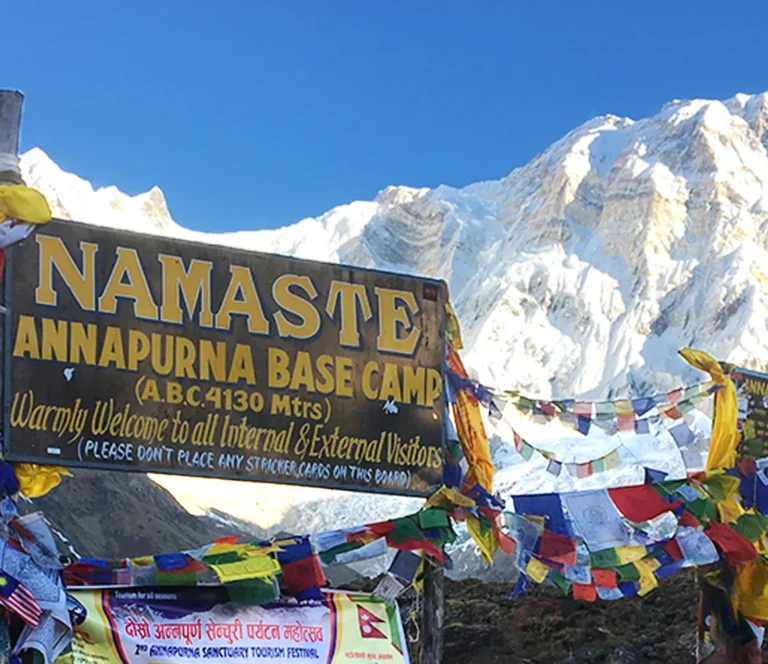
This rule doesn’t apply to the Everest or the Annapurna region, as these are two of the most common routes. The list of the regions or areas this rule applies to is:
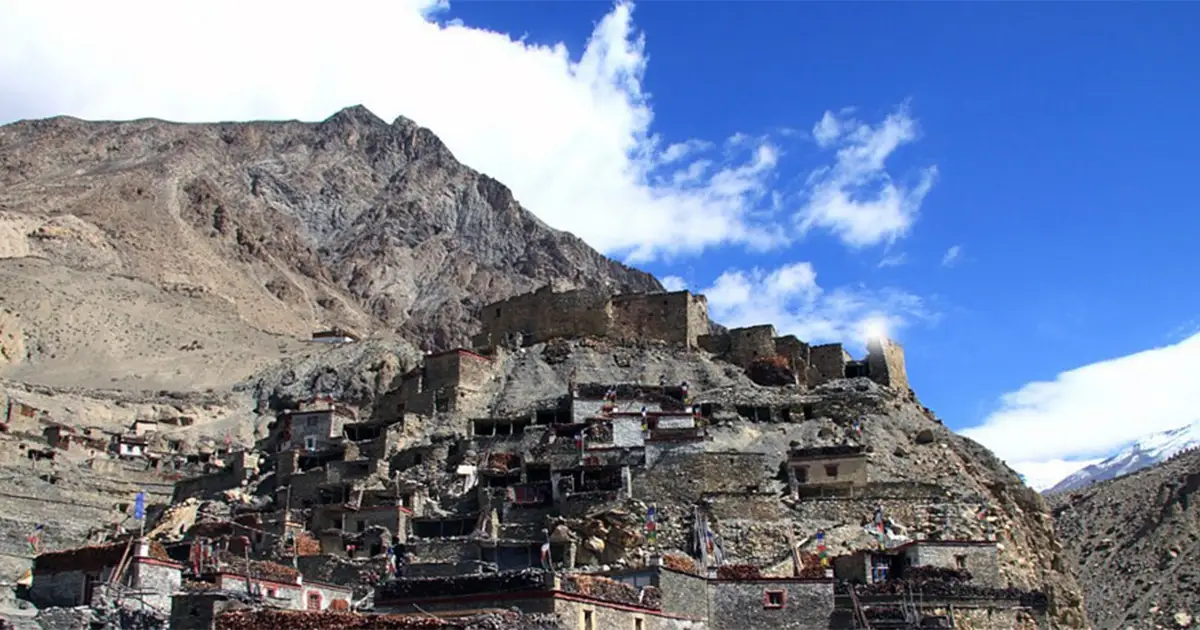
Upper Mustang Trek: The Upper Mustang trek sits just around the Tibetan border. It is known for its desert-like landscape and heavily-influenced Tibetan culture. The landscape here is not found anywhere in Nepal, the ancient villages, and the Lo-Manthang.
Manaslu Circuit Trek: Another popular region is Manaslu, which can be a great alternative to the likes of Everest or Annapurna.
Tsum Valley Trek: Located in the Manaslu region, the Tsum Valley is a very secluded valley filled with authentic natural scenery.
Nar Phu Valley Trek
Nar Phu Valley Trek: Nar Phu Valley is another popular remote area. The region is right in between Annapurna and Manaslu.
Upper Dolpo Trek: Upper Dolpo is another popular remote region of Nepal. Upper Dolpo lies in the western part of Nepal, and the landscape is pretty amazing.
Kanchenjunga Base Camp Trek: Kanchenjunga is a renowned remote region in eastern Nepal. The region is well-known for its rich Tibetan culture and diverse flora and fauna.
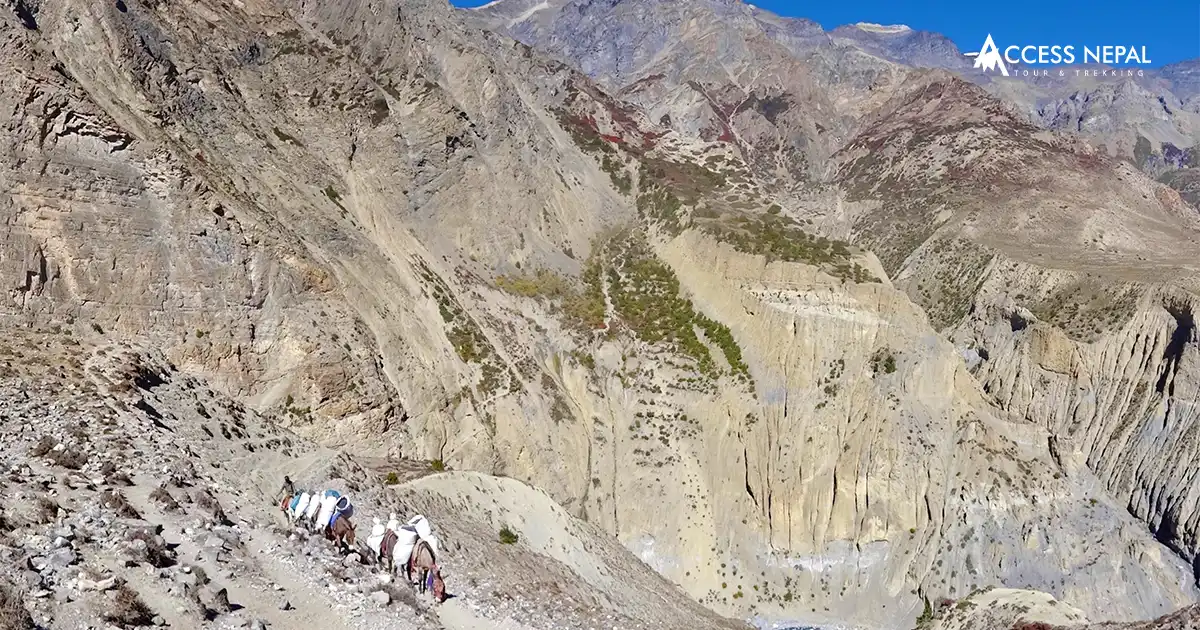
Trekking in the remote region of Nepal
Conclusion
If you’re planning to do the trekking in the restricted areas in Nepal, then now is the perfect time. Go trekking in places like Upper Dolpo or Tsum Valley. Restricted regions are scenic and full of natural beauty, partly the reason behind that is it is not much explored.
At first, you should decide which trek to do and then find a registered agency. The associated agency will take care of all the essentials. This includes permits, guides, porters, itinerary, etc.
You may be wondering if you can trek solo just because a solo permit is now allowed. Yes, this is true, but there is more depth to it. A solo permit is provided to single individuals, but you can’t trek completely alone in the restricted areas. You will not be alone on the trail; there will be a guide with you throughout the trek.A fully independent adventure won’t be permitted, so the main meaning of solo travel is going as an individual, but the plan and itinerary will be made by others. The new rules will be a bit relaxing for the solo trekkers, but the freedom will still be a bit limited.
Frequently Asked Questions (FAQs)
Can I trek alone in Nepal?
No, you can’t trek alone. A guide will be with you 24/7 throughout the journey. A single traveler or an individual can apply for a permit now without relying on others.
Is the guide mandatory for all treks in Nepal?
Yes, a guide is mandatory for all treks in Nepal. A licensed guide is a must if you’re trekking in the restricted areas, and it can be managed by the registered tour operator associated with you.
How to apply for the restricted area permits in Nepal?
You need to apply for the restricted area permits through a registered trek agency, not by a single person. You need to submit all the essential documents, such as a passport, a visa, passport-sized photos, and other information, to a trek agency, and they will provide you with the permits on your behalf.
Can a solo trekker go trekking in restricted areas in Nepal?
The new rules allow individual trekking in the restricted areas of Nepal. The minimum 2-person requirement rule has been removed, allowing a single person to obtain the permit easily.
Have the permit costs also been changed in the new rules?
No, no big modifications have been made regarding the permit costs; however, one region, Upper Mustang, has made slight changes. The previous strict 10-day minimum rule of the permit costs has been abandoned, introducing the new permit fees at a daily rate of USD 50 per day.
Access Nepal Tour and Treks has been recognized with TripAdvisor’s prestigious Travelers’ Choice Award for multiple consecutive years, reflecting our unwavering commitment to quality and clients’ satisfaction.






Leave Your Comment