


Langtang Valley Trek In January
- Places
- By accessnepaltour
Langtang Valley Trek in January offers a calm and peaceful adventure with fewer trekkers and trails covered in snow. The Langtang journey offers majestic scenery, rich Tamang culture, and authentic Himalayan life within reach of a short drive from the capital.
Langtang Valley Trek in January provides crystal clear views of Langtang, but the weather is cold and requires cold-weather gear due to freezing nights, i.e., -10°C to -15°C.
During January, Langtang Valley is covered in snow and provides fresh air, providing breathtaking views. Due to the cold, you will notice fewer trekkers and a peaceful journey, a good experience for solo trekkers to avoid crowds.
If you are planning to travel, I am sure this 10-day itinerary offered by Access Nepal will be perfect for you to experience everything exciting about the culture and traditions throughout your journey.
Why Langtang Valley Trek in January?
January is one of the coldest months in Nepal. The clear skies offer stunning views of mountains covered in snow and provide an opportunity to experience the benefits of trekking in the winter months.
Winter brings an amazing change in the appearance of Langtang by covering it with a large amount of snow. A great opportunity for photographers to capture the real beauty while admiring the stunning snowy peaks. A mountain landscape with fresh and cold air brings an excellent environment for photographers.
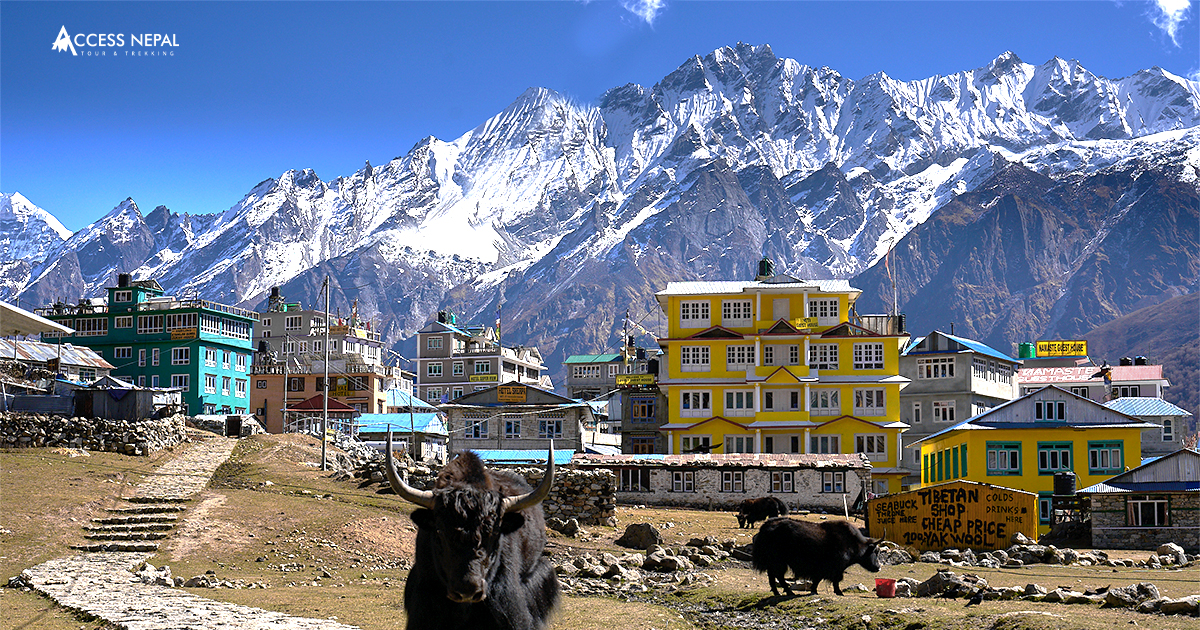
Syabrubesi – Gateway to Langtang Valley
January offers a glimpse of the real lifestyle of the Himalayan people away from the crowded places surrounded by mountains. Trekking in winter is hard, so you will notice fewer trekkers and have an opportunity to experience the breathtaking beauty in solitude while avoiding the crowds that fill the trails during summer seasons.
Winter transforms the entire valley with snow and cold air, and due to fewer crowds, you will be able to interact closely with the locals and participate in cultural activities, an opportunity to fully experience Tamang and Sherpa culture while observing their way of life in a peaceful atmosphere.
Pros and Cons of Trekking Langtang Valley Trek in January.
Exploring Langtang Valley in January has its own advantages and disadvantages. Winter may provide a peaceful journey while avoiding crowds and provide a unique experience, but trekkers must also prepare themselves physically and mentally for the challenges they might face during their journey.
Pros of Langtang Trekking In January
January falls into the low season for trekking in Nepal, so the trails are less crowded and more peaceful than other times of the year. For trekkers who travel in solitude, they can enjoy the natural beauty while avoiding crowds and have a wonderful time to gain new trekking experiences.
Langtang Valley Trek in January is a beautiful destination that transforms the entire place into a white heaven covered in snow, so it offers stunning views and a good time to capture majestic photos and videos for trekkers and photographers and even good opportunities for videographers.
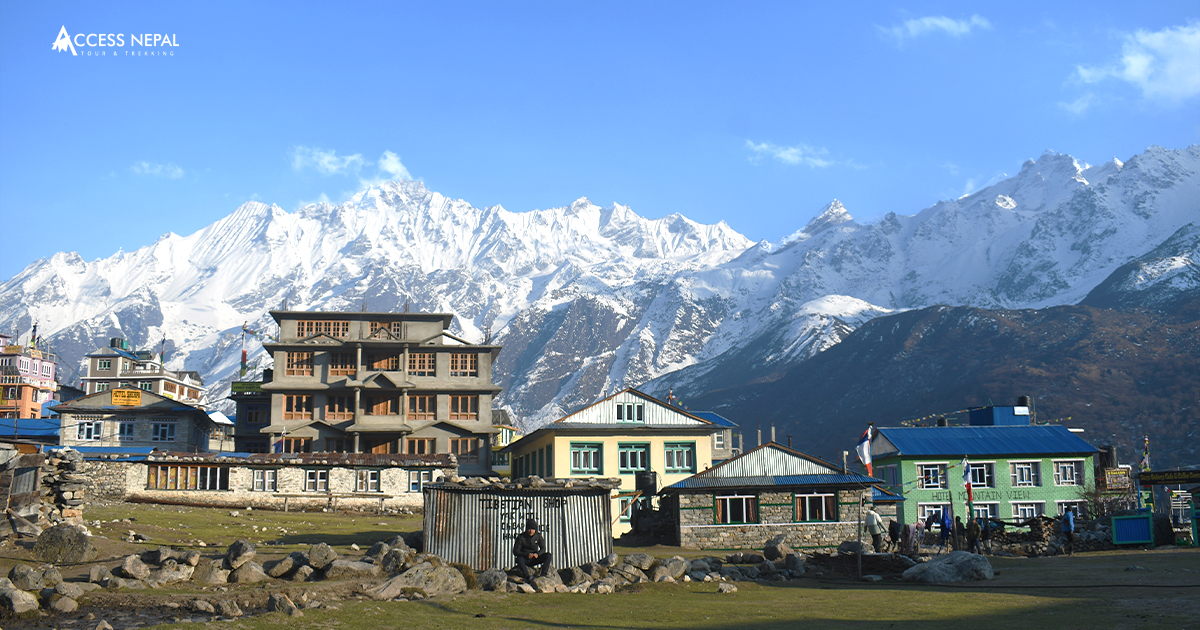
On the Way to Langtang Valley Trek
Because of fewer tourists, you will have more opportunities to experience the culture of the Tamang and Sherpa people, which will make your trek not only physically challenging but also a unique cultural learning experience.
Due to the low season for trekking, many guesthouses will offer deals on both accommodation and meals. Winter advantages will make your trek significantly less expensive than during the peak season of summer.
Cons of Trekking In January
January brings cold weather, and the temperature falls below freezing point and keeps decreasing at higher altitudes in Langtang Valley. If you are not comfortable in the cold season, trekking can be hard due to harsh weather. You would need good gear to keep you warm and safer in critical situations.
Trails are covered in snow, so navigating icy trails may increase the difficulty for guides. The trails are slippery, so there is a high chance of falling and getting injured. So you need to wear good footwear.
Due to the off-season, many guesthouses and teahouses are closed at higher altitudes. But there will be more than enough for a few trekkers; lodges are open along the main trekking routes. So trekkers must plan their food and accommodation accordingly.
In winter days are shorter and nights are longer, so you have to start your journey early and cover the planned distance at the end of the day. It is often difficult for trekkers to adjust to cold temperatures and slippery trails and less sunlight to complete the planned distance.
Altitude sickness is the most common thing while trekking in January. Cold weather and an increase in altitude create challenges, so you have to prepare yourself mentally and physically throughout your journey.
Weather and Climate in Langtang Valley in January
During January, the Himalayan regions are mostly covered in snow and can be very cold as the altitude increases. But as you reach the higher elevations, this region will offer you fresh air and majestic views of mountains covered in snow. There are many changes in the weather as you reach high altitude, so you need to be aware of those changes.
In low altitudes, temperatures are generally cool enough to wear normal winter clothes, but still you might feel uncomfortably cold at times because it can drop up to 0°C even in lower places.
It will be appropriate to wear warm clothes for your early morning hikes for your own safety.
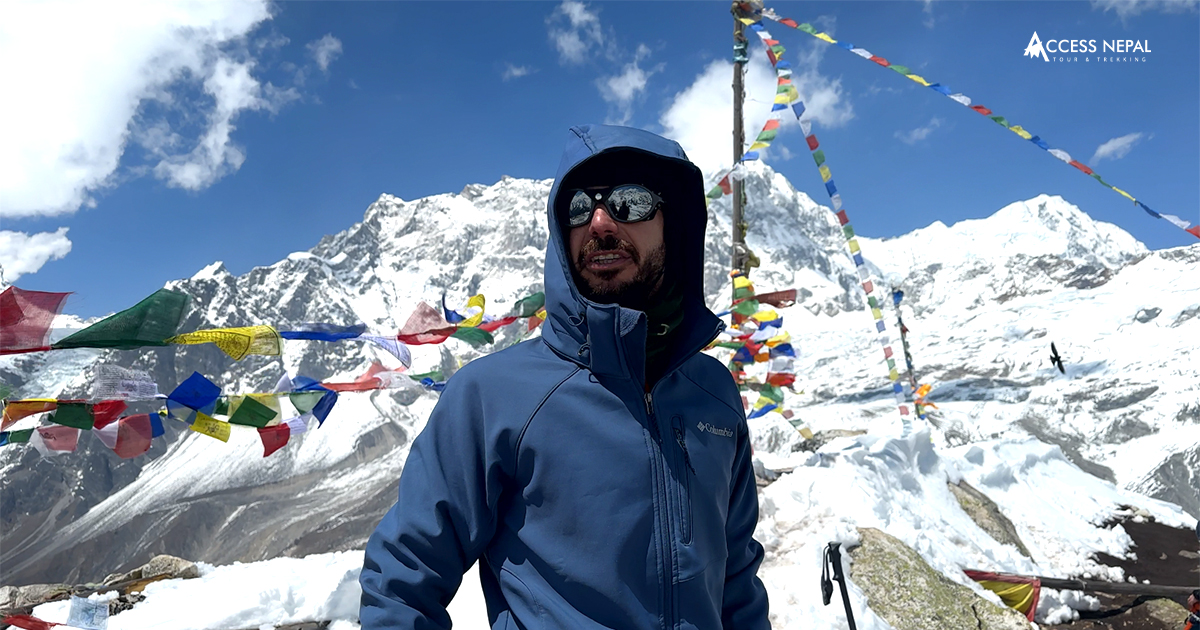
Langtang Valley Trek in Winter
You can wear light clothes, an insulated jacket with a hat, gloves, and good walking boots.
The higher you get in altitude, the more the temperature will drop significantly. During the night and early morning, temperatures often drop to below zero degrees, so you might even see freezing rivers and snow covering your trails. It is important to wear warm clothes that will protect from harsh weather to avoid breathing problems or any serious injury due to the weather.
When you reach above 3,500 meters in altitude above sea level, it is common to cover your surroundings with snow and experience a decrease in temperature, a beautiful scenery for photography and videography. Snowfall can change the trail’s condition and your planned journey, so always prepare yourself for weather conditions.
Winter slows life in rural villages, so it’s a perfect time to join Access Nepal for this journey to experience the Tamang and Sherpa culture of Nepal.
Langtang Valley Trek Permits
Before entering Langtang National Park, you need a permit like a TIMS card (Trekkers Information Management System) and an entry permit for Langtang National Park. You can get this permit from Syabrubesi Park. The guide and the agencies will help you with your permits and other logistical things so you can enjoy your journey without any problems.
Langtang Valley Trek in January Preparation Guide
Winter trekking might be peaceful and a new experience for trekkers, but it needs more physical and mental preparation than summer because you have to tackle harsh weather and trails covered in snow, and as the altitude increases, you will have to wear heavier clothes and have to carry more equipment.
So, proper information is important; focus on cardiovascular exercise such as running or cycling, and a few short high-altitude treks will be a good way to gain endurance and build leg strength through workouts like squats. These will help you to build mental and physical strength.
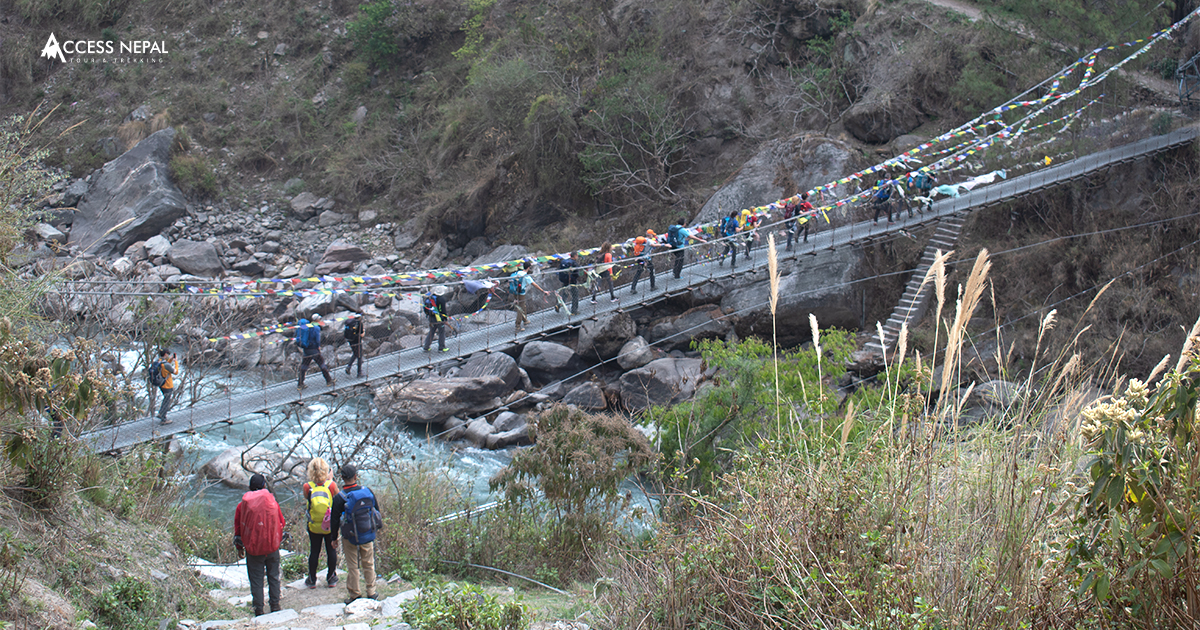
Langtang Valley Trek in Winter Trail
Gear Recommendations for Langtang Trek
January is one of the coldest months in Nepal, so you need the right gear to stay warm, dry, and safe in harsh weather. So you need to include an insulated jacket, socks, gloves, and a hat to keep you warm and safe throughout your journey. A good quality trekking boot to walk in those cold and slippery trails on your journey.
Footwear is also important; make sure it is warm, comfortable, and waterproof with a good grip to withstand any trails. You need good goggles to protect your eyes from harsh and cold air, which can dry your eyes and may cause low vision at high altitudes.
For sleeping, you need a high-quality insulated sleeping bag that can keep you warm and comfortable even at -20°C. And basic accessories like sunscreen, lip balm, moisturizer, and a water bottle to keep your water hot for a long period of time.
Nutrition and hydration during the Langtang Trek
Proper nutrition and hydration are very important during your journey, so remember to carry high-protein bars, which are easy to digest, and a good-quality water bottle to keep you warm and hydrated.
Day-by-day Langtang Trekking Itinerary
Day 1: Kathmandu to Syabrubesi (1500 m)
You will have a feeling of excitement while you leave Kathmandu while sightseeing the beautiful view of rolling hills, rivers, and fields on your way to Syabrubesi, a calm town and a starting point for all trekkers to prepare their equipment and permits. You will spend a night at Syabrubesi and gather the energy for your journey.
Day 2: Syabrubesi to Lama Hotel (2,380 m)
The trek starts with a simple climb through dense rhododendron forest, walking through iced trails, so be careful on your journey. After traveling 12 to 14 km, you will reach Lama Hotel, a big stop with several lodges and a great introduction to the valley. You will get a glimpse of the river, the rhododendron forest covered in snow, and a small glimpse of majestic peaks. After 6 to 7 hours of trekking, you will spend a night at the Lama Hotel.
Day 3: Lama Hotel to Langtang Village (3,050 m)
You will start your journey and walk through thin alpine trees. Lantang village was one heavily damaged by the 2015 earthquake, but most of it has already been rebuilt, but you will get a little glimpse of the destruction. A peaceful village covered with snow and filled with cultural interaction, a short trek of 10 km to reach the heavenly place. You will rest at a teahouse in Langtang Village.
Day 4: Langtang Village to Kyanjing Gompa (3,870 m)
Finally, you will reach higher altitudes, a most challenging and rewarding section, with higher-altitude landscapes and views of Yala Peak and other summits. You will travel around 8 km, a 4- to 5-hour climb, and stay the night in Kyanjing Gompa.
Day 5: Acclimatization Day at Kyanjing Gompa
You will rest at Kyanjing Gompa and will do a short hike to Kyanjing Ri or Tserko Ri for panoramic views, and will visit the local monastery and cheese factory. Snow-covered peaks and photographic opportunities. You can explore more abut acclimatization guide for high altitude treks. to make your Langtang trek easier and to avoid altitude sickness.
Day 6: Kyanjing Gompa to Lama Hotel
Now you will start to descend, and as the altitude decreases, you will feel warmth because of the increase in temperature. Again, you will spend a final night at Syabrubesi.
Day 7: Lama Hotel to Syabrubesi
Again, you will travel the same trails, enjoying the forest and rivers, celebrating completing the valley trek, and spending a final night in Syabrubesi.
Day 8: Syabrubesi to Kathmandu
Now we will return to Kathmandu with memories, photos, a lifetime achievement of making close connections to mountains, and new people.
Access Nepal Tour would like to thank every trekker who joined us on the journey and made it a memorable one.
Food and Accommodation in Winter in the Langtang Region
On the trekking routes in January, trekkers will have a limited food supply. Common meals like dal bhat meat, which many people consider the best fuel for their adventure, and you can find typical food like noodles, soup, eggs, and other warm beverages such as tea and Coca-Cola. Due to shortages of cooking fuel, you may find a delay in food time, so you have to be patient.
In winter, accommodation consists of basic facilities, and you will have fewer guest houses open compared to summer, but you will have access to the warm room to rest and spend the night. Additionally, you will carry sleeping bags, which are insulated and keep you comfortable.
Safety Consideration During Langtang Trek
Winter is very dangerous if you don’t take things seriously. You need an extra level of awareness and to follow the proper guide when trekking in the wintertime in Langtang. Cold weather can cause both frostbite and hypothermia in extremely cold temperatures. Make sure to cover your body with warm clothes and stay dry as much as possible.
Another risk is altitude sickness; at high altitude, you will notice a significant drop in temperature. You will notice low levels of oxygen, which can cause breathing problems, which can generally cause headaches, nausea, dizziness, and fatigue, so it is important to be well prepared mentally to tackle cold and harsh weather.
The winter trail conditions can be challenging and difficult. You have to travel in thick snow and slippery trails, so it is wise to purchase boots with spikes for stability. Always have an emergency plan, such as insurance for helicopter evacuation, which might be expensive in certain situations. So it is important to take insurance that covers high altitude and emergency evacuation.
Do you need a Guide and Porter for the Langtang Valley Trek?
Yes, a licensed guide is compulsory for the Langtang Valley Trek because of the recent update in the rules and regulations of the Nepalese government. langtang valley trek guide is mandatory for safety and sustainable tourism prospective but the porter is optional and recommended for comfort and to enhance the trekking experience.
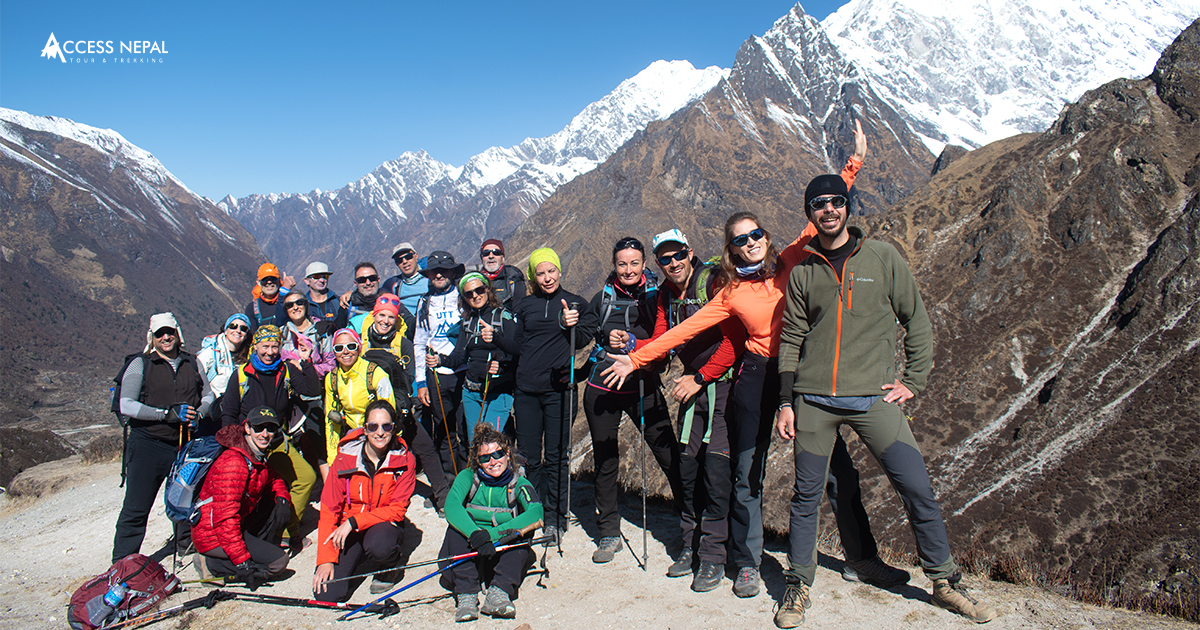
Our happy clients group trekking in the Langang region
A good company will hire a professional guide who is familiar with the weather and trails of Langtang Valley to enhance your trekking experience. Guides are very important to navigate the trails, and their knowledge will be useful during emergency situations. A local and professional guide will have knowledge about history and culture and provide safe trails for trekkers.
Meanwhile, porters carry your heavy baggage, allowing you to trek with light weight, which will help you to focus on the trails. A reputable company will pay its porters and guides well and fairly, and most of them are good in multiple languages, so hiring porters and guides will not only make your trek easier but also provide employment to people. You can tip them for their support at the end of your trip.
Langtang and Tamang Heritage Trek of Nepal
When hiking during January, due to fewer crowds, you can experience and understand the Tamang and Sherpa cultures. You will have a great chance to see local communities and spend time with them.
An important place, Kyanjin Gompa, located at 3,870 m, is a spiritual place where visitors can participate in different ceremonies, or they can just appreciate the beauty for themselves. This monastery is a site that supports local communities of Tamang and Sherpas, a place to experience the real Buddhist traditions. Langtang Valley is influenced by Tibetan traditions, and winter is a great time to witness local celebrations, dances, music, and the exchange of toasts with friends and family.
Why Choose Access Nepal Travel and Treks?
Access Nepal has been guiding travelers for years while providing their professional guides who will make your journey breathtaking. We will customize the itineraries based on your available date and days to stay in Nepal to provide you life time memories and make the journey unforgettable. So you can enquire with us for the Langtang valley trek in January or any time of the year.
- The company is fully licensed and registered.
- They will provide their professional, experienced guide for a comfortable journey.
- Friendly and polite behavior with the travelers.
- They will take care of your documents and your travel needs.
- Providing a reasonable, cost-friendly environment with the best comfort.
Finally, thank you for joining our family. We wish you the best of luck and safe travels for the adventure waiting ahead for you. Have a safe journey.
Awards and Achievements
Access Nepal Tour and Treks has been recognized with TripAdvisor’s prestigious Travelers’ Choice Award for multiple consecutive years, reflecting our unwavering commitment to quality and clients’ satisfaction.






Leave Your Comment