OFF
Discounts are solely based on your group size. We do not add anyone to your group.
- Best Price Guarantee
- Hassle-Free Booking
- Team of highly experienced Experts
- Your Happiness Guaranteed
Book Now. No Booking or Credit Card Fee
- Schedule Your Own Dates
- Group Discounts
- Guaranteed Departures
- Easy Cancellation
- 60% Repeated Customers
-

- Duration
- 11 Days
-

- Transportation
- Private Vehicle & Flight
-

- Trip Grade
- Moderate
-

- Max-Altitude
- 4,110 meters/13,484 feet
-

- Accomodation
- Hotel/Lodge
-

- Primary Activity
- Trekking, Sightseeing
-

- Meals
- All meals during trek
-

- Best Season
- Mar-May|Sept-Nov
-

- Distance
- 285 km
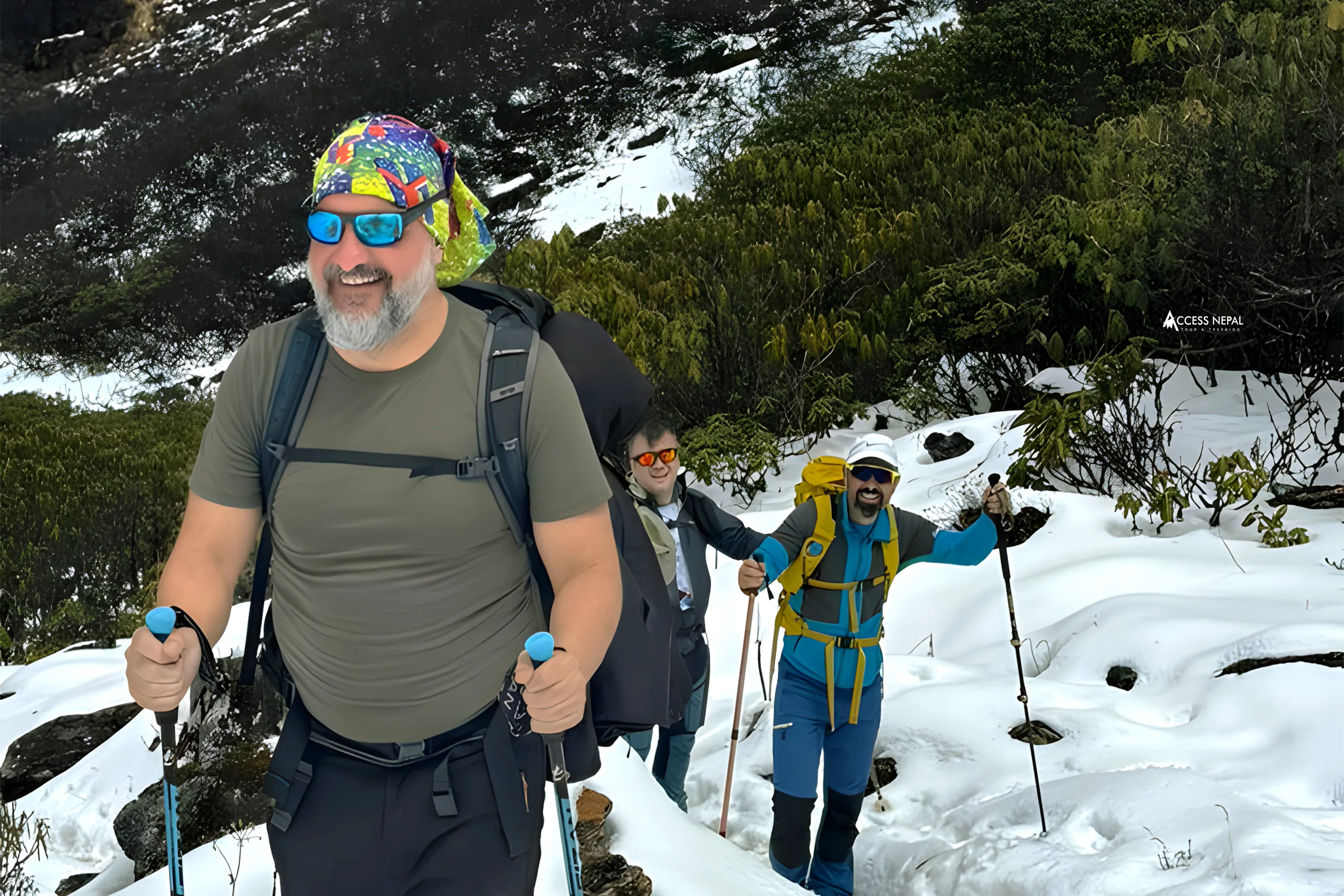
The Druk Path trek is one of the amazing short treks to Bhutan. It is one of the popular trekking routes that connects the valleys of Paro and Thimphu. It provides an ideal chance to experience the natural beauty and culture of Bhutan from a really close angle. The route takes you through some beautiful Himalayan landscapes, with glimpses of dense forests of oak and rhododendron trees, breathtaking mountain views, and serene lakes.
The druk path trek itinerary begins from Paro as you walk up the hill amidst the apple orchards and pine forests. You’ll get past Jele Dzong (fortress) located on a high grassy ridge with the stunning backdrop of Mount Jumolhari in the background. The trail gives you the best possible nature views, including lush forests, snow-capped mountains, and small villages.
In between the journey, you’ll also see some prayer flags and the amazing Himalayan highlands of Bhutan. If you arrive here for the Druk path trekking, you’ll be greeted by the stunning mountain range scenery. Much more than landscapes, the Druk path trek gives you the best opportunity to understand the Bhutanese culture, discover ancient monasteries, and get to see the local life and their way of living.
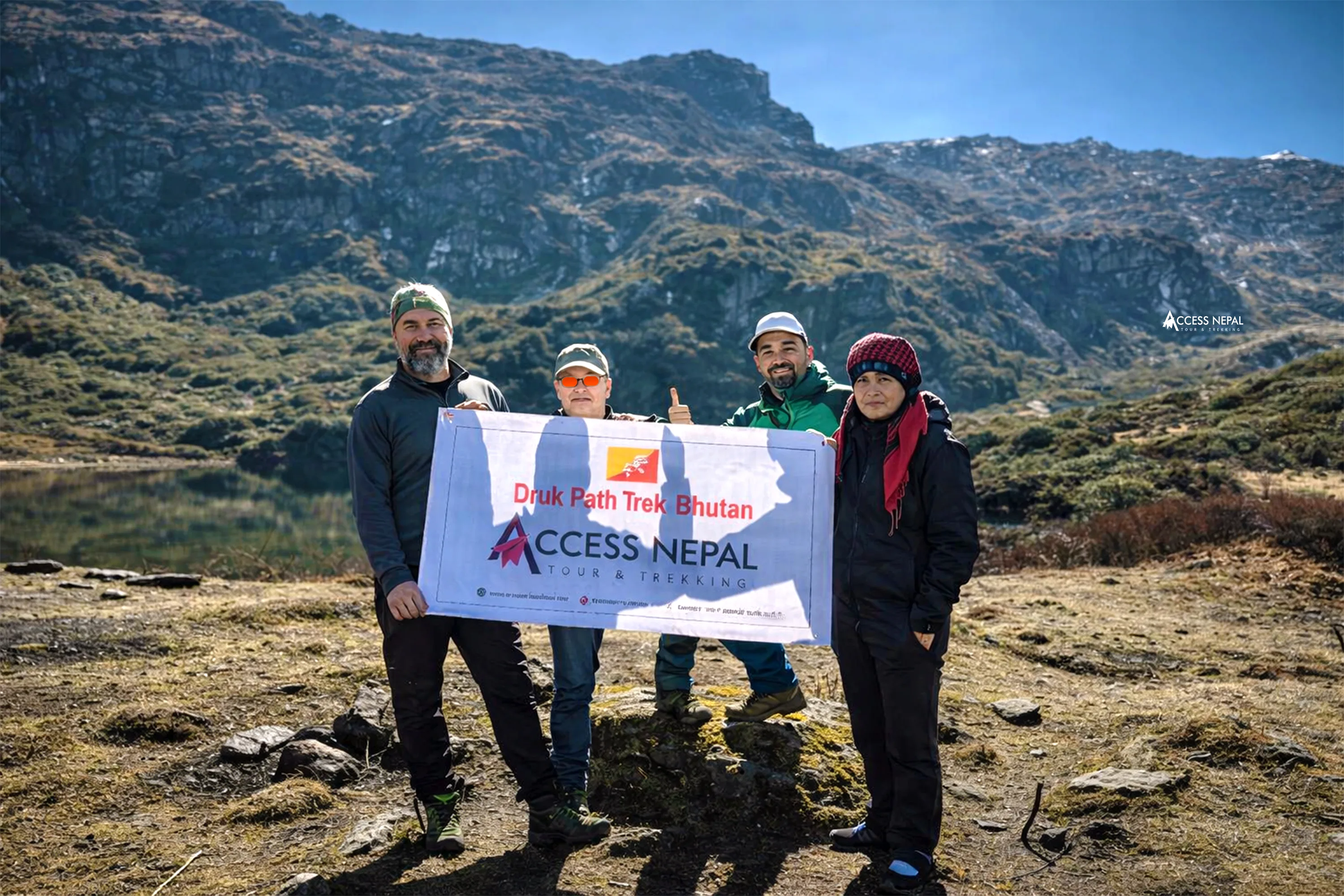
Along the way, you’ll come across clear mountain lakes, including Jimilangtsho, Janetsho, and plenty of yak herders’ camps. You’ll also enjoy the exploration of Bhutan’s majestic valleys (Thimphu, Punakha, and Paro). The full journey promises to be an exciting one as you’ll get close to the Bhutan-Tibet border and admire the cultural richness of Bhutan.
Highlights of Druk Path Trek
- Move through an ancient route from Paro to Thimphu with scenic views and mountain glimpses.
- Explore Ta Dzong, the national museum of Bhutan
- Visit pristine lakes such as Jimilangtsho and Janetsho.
- Explore several monasteries, including Thujidrak and Phajoding, that hold immense spiritual significance.
- Short yet epic trek in the gorgeous Bhutanese countryside.
- Get to see the Memorial Chorten in Thimphu.
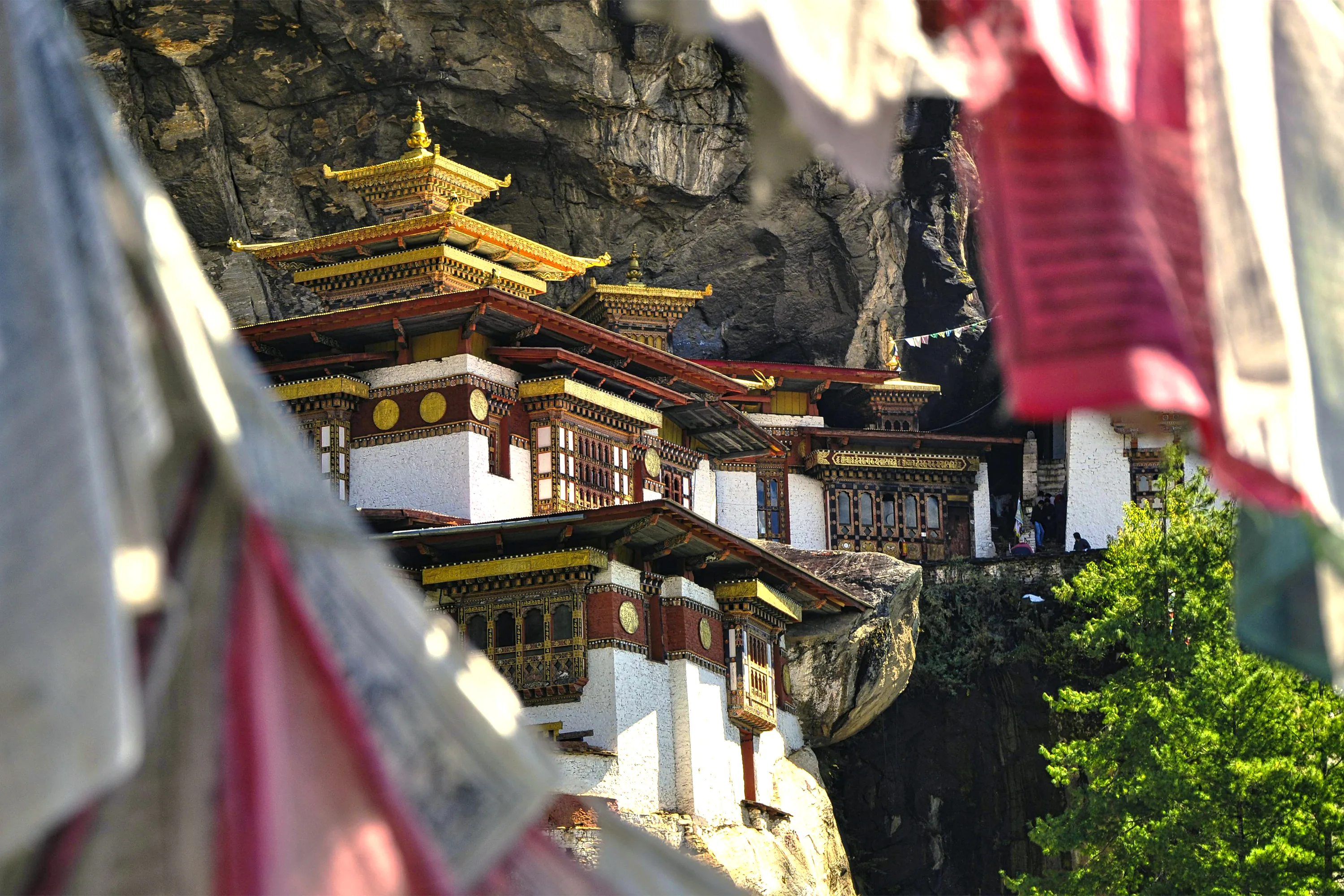
- Explore one of the iconic cultural sites of Bhutan, Taktsang Tiger’s Nest Monastery.
- Witness traditional Bhutanese archery from a close distance.
- Experience the huge seated statue of the Buddha, coloured all golden.
- Get to see Bhutan’s vibrant and widely cherished festivals.
- Witness the local way of life, their lifestyle, and their beliefs.
Day 01Arrival Day in Paro
-
- 2,200m/7,217ft
Day 02Paro to Jele Dzong past Damchena village
-
- 10 km of trekking
-
- 3,480m/11,418ft
-
- 4 to 5 hours
-

- 1,280m/4,199ft
Day 03Trek from Jele Dzong to Jangchulakha
-
- 10-12 km
-
- 3,770m/12,365ft
-
- 4 to 5 hours
-
- 290m/951ft
Day 04Trek from Jangchulakha to Jimilangtsho Lake
-
- 9-11 km
-
- 3,870m/12,700ft
-
- 4 to 6 hours
-
- 100m/328ft
Day 05Jimilhangtso via Janetsho Lake to Simkota
-
- 11 km
-
- 4,100m/13,451ft
-
- 4 to 5 hours
-
- 230m/754ft
Day 06Trek from Simkota via Phajoding (3870m) to Thimphu city
-
- 10-15 km
-
- 2,334m/7,657ft
-
- 6 to 7 hours
-

- 1766m/5793ft
Day 07Thimphu sightseeing to Punakha
-
- 72 km
-
- 1,311m/4,301ft
-
- 2 to 3 hours
-
- 1023m/3356ft
Day 08Punakha visit Punakha Dzong and Khamsuyulley Choten
-
- 1,311m/4,301ft
Day 09Drive from Punakha to Paro and visit BPC Museum
-
- 120 km
-
- 2,200m/7,217ft
-
- 4 to 5 hours
-
- 889m/2916ft
Day 10Paro to Taktsang
-
- 16 km
-
- 3,120m/10,236ft
-
- 4 to 6 hours
-
- 920m/3018ft
Day 11Departure from Paro
- Airport pick-up and drop-off
- Bhutan Visa
- 4 Nights (Days 1, 2, 3, &4 ) accommodation with tented camps.
- Sightseeing tour of Thimphu, Punakha, and Paro in a private vehicle.
- Standard 5 nights three-star hotel accommodation on a twin-sharing basis.
- Full board meals throughout the trek.
- 1 Highly experienced, government-licensed, English-speaking, first-aid trained guide for 6 people with insurance and expenses covered.
- 1 separate local guide for sightseeing.
- 1 helper for meal preparation during the tented camps.
- Sleeping tents, sleeping mats & pillows
- Dining tents, kitchen tent & toilet tent
- Certificate of Adventure after the completion of the trek.
- All applicable monument and/or entrance fees
- All required permits and government charges.
- Travel insurance
- Other personal expenses.
- Tips for guides and porters.
- Extended stays and trips in Bhutan.
Our groups are small with maximum 14 people. We create groups of independent travelers, friends and families which maintains close interpersonal connection, engage more and get into depth of the journey. Choose a date from the calendar to reserve your spot.

Arrival & Welcome
The hotel/lodges where you stay are near the airport. Thereby, we will take you there via a private vehicle. We provide free arrival transfers to the hotel from the airport. (And this is free for all our customers)
Travelling in Bhutan
You must keep in mind that all foreigners should travel via an official travel agent. And a Bhutanese guide. We provide you with an experienced and licensed Bhutanese guide. You can enjoy this beautiful country and visit different parts of it with a guide alongside you.
Vaccinations and Health
Bhutan
For Bhutan, there are no vaccinations required. Please do consider vaccinations for these common diseases like hepatitis A, tetanus, typhoid, cholera, hepatitis B, Japanese encephalitis, rabies, and tuberculosis. Before heading to the country, make sure to confirm with your doctor or travel clinic.
Visa Details & Requirements for Bhutan Trek
A visa is needed to enter the country, Bhutan. We will take care of it. The cost of the visa is included in the package cost.
In order to get your Bhutan visa in advance, we need certain documents from you. This includes a clear scanned copy of your passport at the time of booking. Other than that, coloured passport photos are also required.
You should send us all the essential documents no later than eight weeks before departure.
Flights to Bhutan
You can easily fly to Bhutan from Kathmandu, Delhi, Bangkok, Singapore, and many other major cities of the world. However, the easiest one is from Kathmandu, and we will prefer this route as well. From Kathmandu, there are daily flights to Paro, and the tourism infrastructure is also excellent.
Two airlines, Druk Air and Bhutan Airlines, operate the flights to Bhutan from Kathmandu.
Why do the Bhutan Druk Path Trek?
The Bhutan Druk Path trek provides a brief insight into the culture, tradition, and lifestyle of Bhutan. During this trek, you’ll explore the major valleys, ancient sites, and attractions of Bhutan.
- Get a chance to visit Tiger’s Nest monastery, one of the sacred Buddhist sites of Bhutan.
- Gorgeous Himalayan views, including Mt. Gangkar Puensum and the Mt. Jomolhari trek.
- Explore plenty of historic dzongs and monasteries.
- A moderate short trek with not so lengthy walking distance.
- Walk on an ancient route from Paro to Thimphu.
- Full sightseeing of the major valleys of Bhutan, including Paro, Thimphu, and Punakha.
Top Destination You’ll Visit During the Bhutan Druk Path Trek
Paro Valley
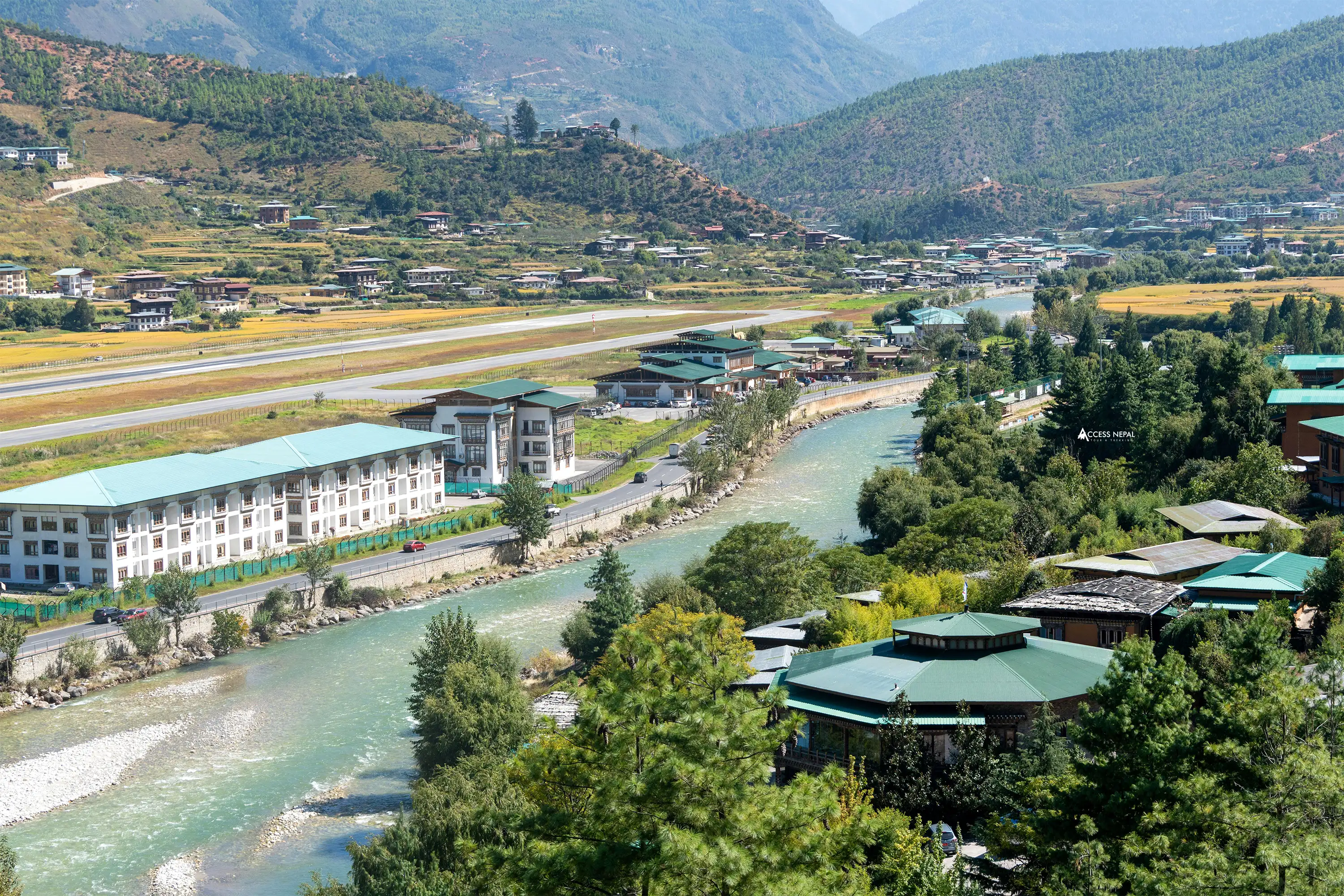
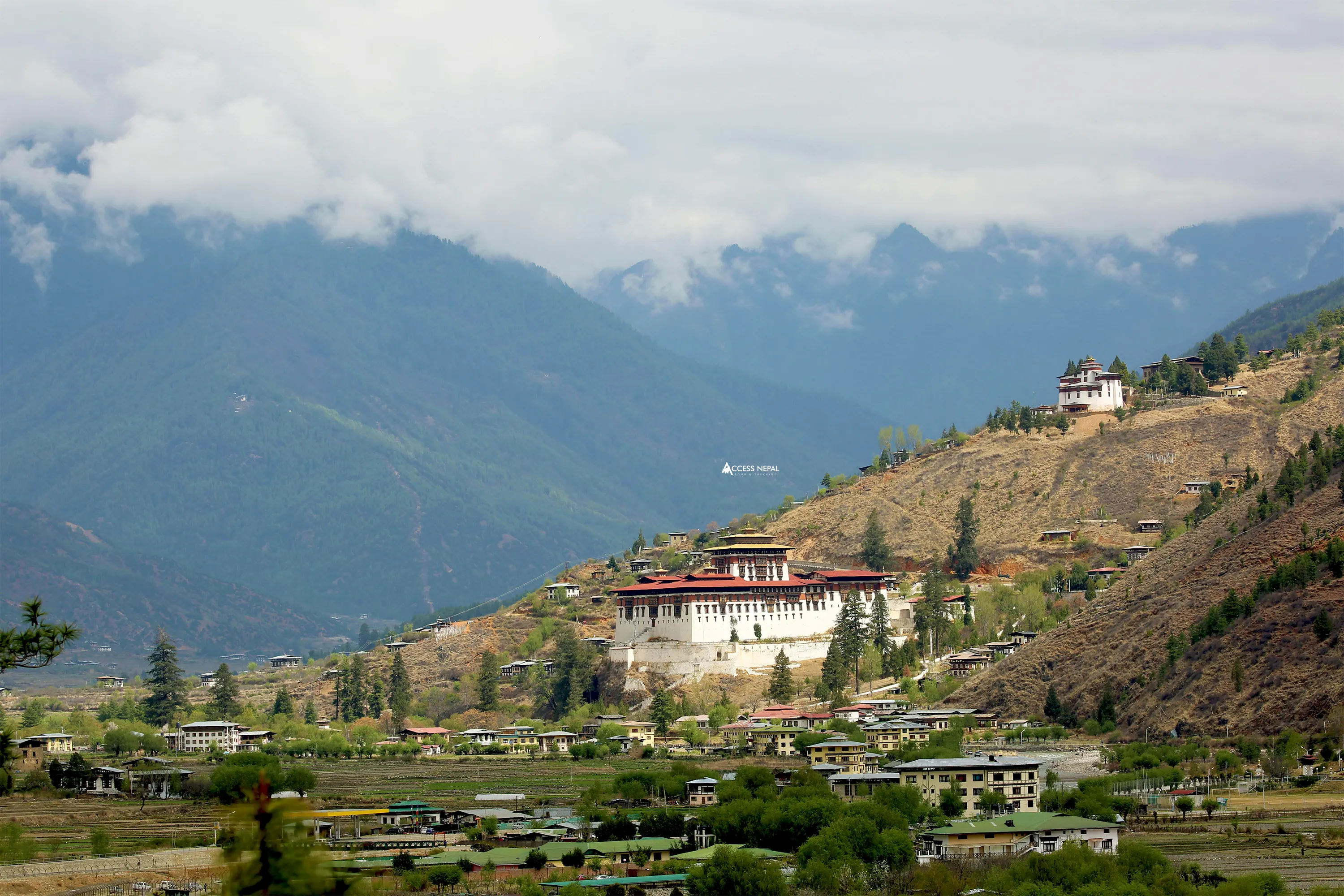
Paro Valley is one of the historic valleys of Bhutan. Here lies the one and only international airport in the entire country, Paro International Airport (PIA). The valley also contains the Paro Chhu River, which plays a key role in creating a fertile area for red rice cultivation.
The valley is also home to several key monasteries, such as Taktsang Lhakhang (Tiger’s Nest) and Rinpung Dzong. You’ll also see glimpses of the National Museum of Bhutan, also referred to as Ta Dzong. Explore Kyichu Lhakhang, Bhutan’s oldest temple and a very significant holy place.
Jele Dzong
Jele Dzong is one of the first places we head to during this trek. It is one of the isolated fortresses located on top of the mountain. Situated at an altitude of around 3,900m, the 360-degree views from here are remarkable.
It was built with a bigger goal in mind in the past: a watchtower for creating strategies during wartime. From here, majestic views of Mt. Jumolhari can be experienced (an unmatchable scenery). It is also considered a spiritual site and falls on the route of the Druk Path trek.
Jangchulakha
Jangchulakha is a popular yak herder’s pasture. It is located above 3000 meters and is famous for breathtaking Himalayan views and gorgeous landscapes. During the spring season, you’ll see the blooming rhododendrons.
This specific place is a shelter for the yak herders, giving you the best opportunity to see their life from a close angle. Mostly trekkers set up their camps here, and there is chances of wildlife spotting as well.
Jimilangtsho Lake
Jimilangtsho is a gorgeous lake located in the Thimphu district of Bhutan. The lake is highly renowned for its natural beauty and scenic views of the mountains, such as Jichu Drake.
As per many old locals, the lake is named after a bull that all of a sudden appeared from inside the lake. From this lake, sensational views of the valleys and mountains can be seen. Jimilangtsho is also famous for the large trout fish.
Simkota
Simkota, also referred to as Simkota Tsho, is a high-altitude campsite. Located near the Simkota Tsho lake, the campsite is equally beautiful and is one of the popular stops on the Druk Path. The scenery from here is extraordinary, especially of the valleys and the Himalayan peaks.
Trekkers here most often get glimpses of yak herders, blooming rhododendrons, and the lifestyle of the locals.
Phajoding Monastery
Phajoding Monastery is another key Buddhist monastery located above Thimphu city. The following monastery was founded by the Tibetan Lama, Phajo Drugom Zhigpo, in the 13th century. The following lama played a crucial role in spreading the Drukpa Kagyu teachings of Buddhism.
It is one of the most beautiful monasteries of Bhutan, recently renovated from July 2013 to June 2018. Today, the monastery includes more than 60+ young monks.
Thimphu
Thimphu is the capital city of Bhutan. Not only is it the capital city, but it is also the largest town in Bhutan, with around 100,000 people. Thimphu has a good mixture of tradition and modern elements, making it one of the unique capitals in the world.
You’ll be amazed to see ancient monasteries standing alongside the modern residents, such as cafes and restaurants. Here, the government buildings also showcase the rich architectural style of this country. There are plenty of attractions here in Thimphu, such as:
- Tashichho Dzong
- Buddha Dordenma
- National Memorial Chorten
- Dochula Pass
Punakha Valley
Punakha Valley is one of the major regions of Bhutan. It is home to the 17th-century fortress-monastery named Punakha Dzong. Punakha Valley has a very fertile landscape, and the production of rice, citrus, and other fruits is also massive here.
The valley offers plenty of cultural experiences, such as Chimi Lhakhang, one of the spiritual temples dedicated to the ‘Divine Madman’. Another monastery is situated here, named Khamsum Yulley Namgyal Chorten. Pho Chhu and Mo Chhu are identical male and female rivers, adding beauty to the valley.
Punakha Dzong
Punakha Dzong is one of the iconic monasteries of Bhutan and was constructed by Ngawang Namgyal in 1637–38. Additionally, it is in fact the second-oldest and second-largest dzong in Bhutan.
It is situated between the Pho Chhu (Male) and the Mo Chhu (Female) rivers. At one time, it was the administrative center and the seat of the Government of Bhutan.
Khamsum Yulley Namgyal Chorten
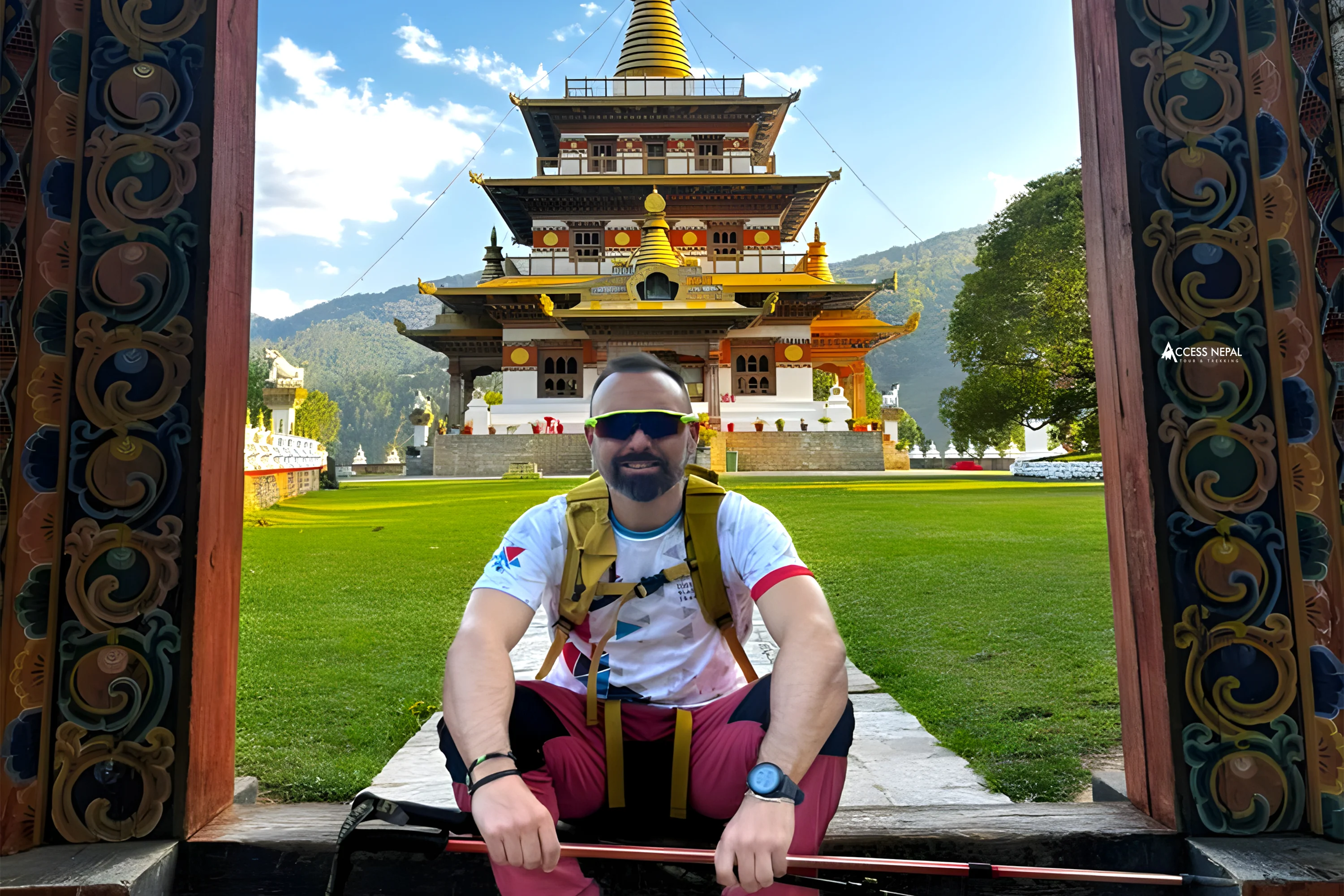
Khamsum Yulley Namgyal Chorten is a mesmerizing Buddhist stupa located on a hill in Punakha. Built by the Queen Mother in the early 2000s with the motive of promoting peace. It is basically a four-storied chorten, including the marvellous architecture and designs.
Inside the stupa lies the gigantic Vajrakilaya statue, who is also known as the destroyer of evil. There are also other deities as well. The rooftop provides a scenic panoramic view.
BPC Museum
The museum shows Bhutan’s natural heritage with a wild exhibition and a primitive focus on biodiversity. The establishment became a museum later on, as it was transformed from a different project.
It includes various kinds of specimens, butterfly exhibits, and many other significant elements.
People and Culture of This Region
The Buddhist influence is quite strong in Bhutan, and you can see this when you visit the streets of the country. In Bhutan, you’ll see plenty of ethnic groups, mostly of Ngalops, who are also called westerners. Others include Sharchops, who are basically Easterners. Interestingly, you’ll find people of Nepalese descent, following the Hindu religion, called Lhotshampas.
They are always welcoming tourists and new people with a kind heart and show good hospitality. Buddhism is practiced daily here, and the art and architecture also showcase that in a greater form.
Bhutan is also a happy country due to its priority on collective well-being and protection of the culture and environment. It is also reflected in a metric referred to as Gross National Happiness (GNH).
Traditions & Lifestyle
A separate dress is worn by males and females here; males mostly wear a special kind of robe named a Gho. On the other hand, females typically wear a special kind of dress covering upto ankle, named Kira. The majority of the houses are wooden type, traditional in nature. Other than that, you’ll discover plenty of monasteries (called dzongs) holding immense spiritual significance.
As a part of a daily ritual, Buddhist followers of this region offer incense and light butter lamps, honoring the Buddha. Due to the fertile landscapes, many people are invested in agriculture and yak herding for their livelihood.
Mountain Sights from the Druk Path Trek
Several mountain peaks are visible when walking the Druk Path trek route, some partly hidden, some fully clear. Here is the list of all of them:
- Dochu La Pass (3,100m/10,170ft)
- Jichu Drake (6,989m/22,929ft)
- Gangkhar Puensum (7,570m/24,835ft)
- Mount Jomolhari (7,314m/23,996ft)
Is the Druk Path Trek Ideal For You?
The Druk Path trek offers the best opportunity to experience the natural beauty and rich culture of Bhutan. This itinerary may not be fit for everyone.
- If you’re short on time or have a strict schedule, then it may not be fit for you.
- It involves short hikes, so it will be tough for people with mobility issues.
- The Druk Path trek is moderate in terms of difficulty, so you should possess a good level of fitness.
- Before the start of the trek, a good preparation is needed for a week or two.
What is the distance of the Druk Path trek?
The distance of this 11-day Druk Path trek is around 66 to 75 km. The trail lengths may vary depending on the trekking days. Whereas the total driving distance ranges from 72 to 120 km.
What is the difficulty of the Druk Path trek?
Where is the location of Druk Path trek in Bhutan?
How is the climate there in spring season?
How is the climate there in autumn season?
When is the best time to do the Druk Path trek?
Is the trek suitable for beginners?
How many luggage should I carry?
How much weight is allowed for Bhutan trip?
How does Bhutan maintain sustainability on tourism?
What kind of permits is required for Druk Path trek?
Is Sustainable Development Fee (SDF) mandatory for everyone?
Is solo trek allowed in Bhutan?
How do you book the Bhutan Druk Path Trek?
What are the documents needed?
What If I want to cancel the trek?
Do I need travel insurance for this trek?
Can I do the Druk Path trek in reverse, starting from Thimphu?
Is riding a pony included in the Druk Path trek cost?
Is the Druk Path trek the most popular trek route in Bhutan?
Is fishing allowed in the lakes along the Druk Path trek trail?
Can I stay for a night at Phajoding monastery if I book a Druk Path trek?
Is it possible to meditate at Phajoding monastery during the Druk Path trek?
Awards and Achievements
Access Nepal Tour and Treks has been recognized with TripAdvisor’s prestigious Travelers’ Choice Award for multiple consecutive years, reflecting our unwavering commitment to quality and clients’ satisfaction.