OFF
Discounts are solely based on your group size. We do not add anyone to your group.
- Best Price Guarantee
- Hassle-Free Booking
- Team of highly experienced Experts
- Your Happiness Guaranteed
Book Now. No Booking or Credit Card Fee
- Schedule Your Own Dates
- Group Discounts
- Guaranteed Departures
- Easy Cancellation
- 60% Repeated Customers
-

- Duration
- 7 Days
-

- Transportation
- Jeep
-

- Trip Grade
- Easy
-

- Primary Activity
- Hiking
-

- Best Season
- Spring & Autumn
Classic Bhutan Tour with Phobjikha Valley is 7 days adventure into the heart of Bhutan. The journey to Phobjikha Valley is one of a kind. From your first step as you land in Paro Valley, travellers are greeted with nature and the giant Himalayas.
Our enchanting Classic Bhutan Tour with Phobjikha Valley takes you on a tour to the Land of the Thunder Dragon. The main highlight of this Bhutan tour is the serenity, untouched by pollution, noise, and crowds. It’s an ideal vacation destination to travel with families, adventure seekers, trekking enthusiasts, and nature lovers.
7 Days Classic Bhutan Tour with Phobjikha Valley package gives you the taste of Bhutanese culture, iconic wonders, and nature. It’s an all-in-one package. One time you will be exploring dzongs and monasteries, the next day you will be hiking surrounded by lush green valleys and snow-capped mountain views.
Tasting spicy Bhutanese cuisine and hiking through green valleys where wildlife abounds, every seconds spend here is memorable. Every second offers a new experience. Rich in culture, nature, and arts, Bhutan Tour is must visit destination for culturalists.
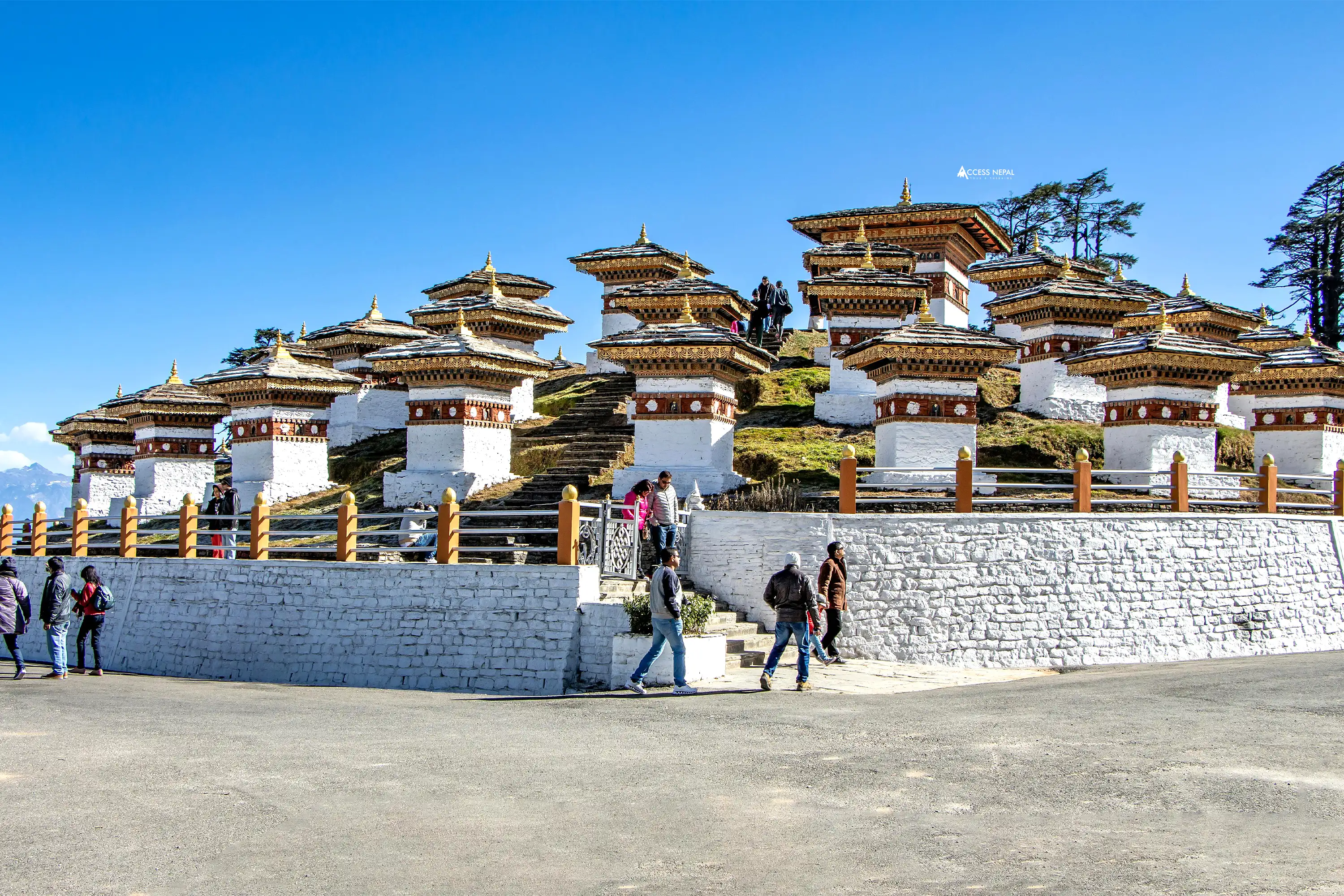
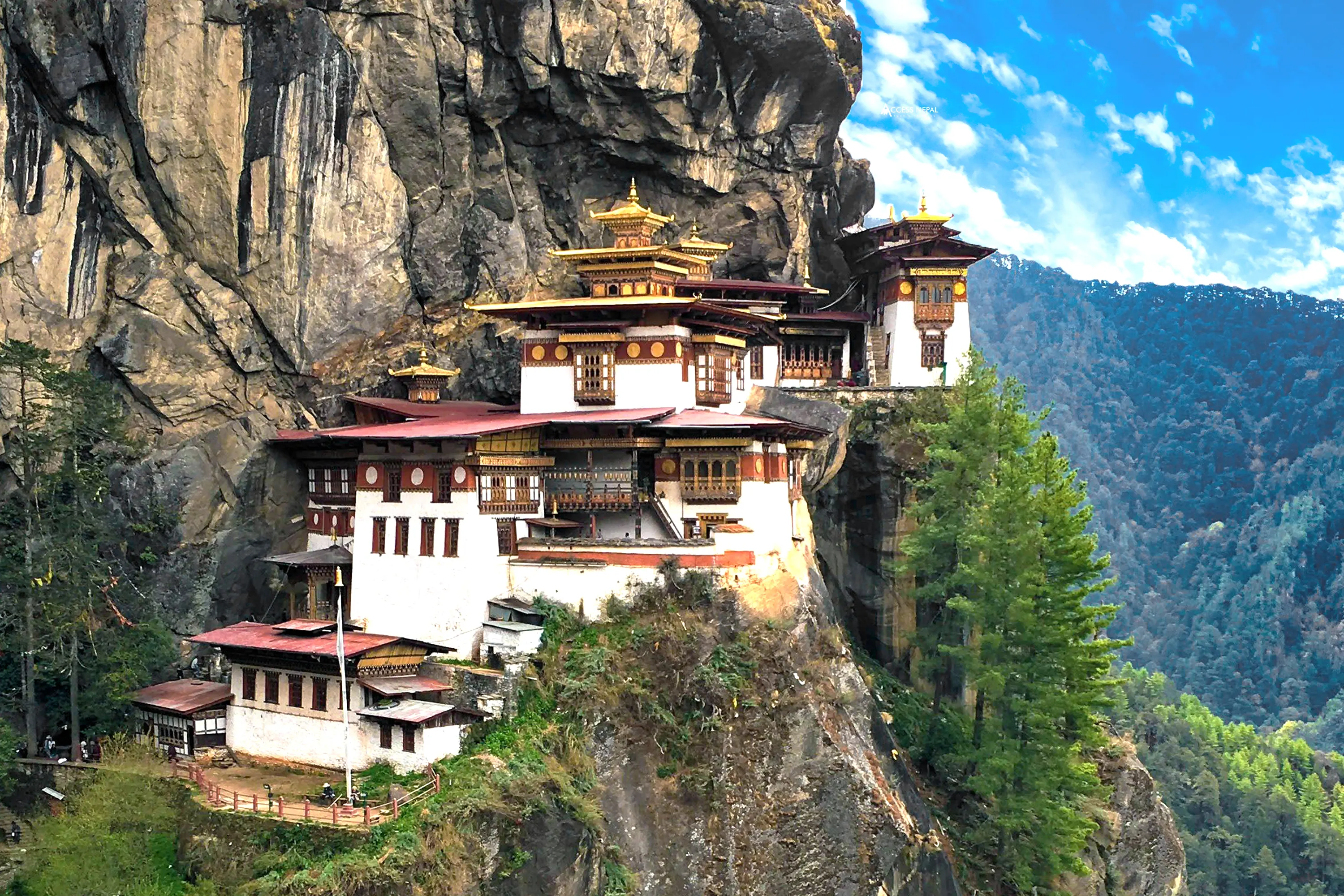
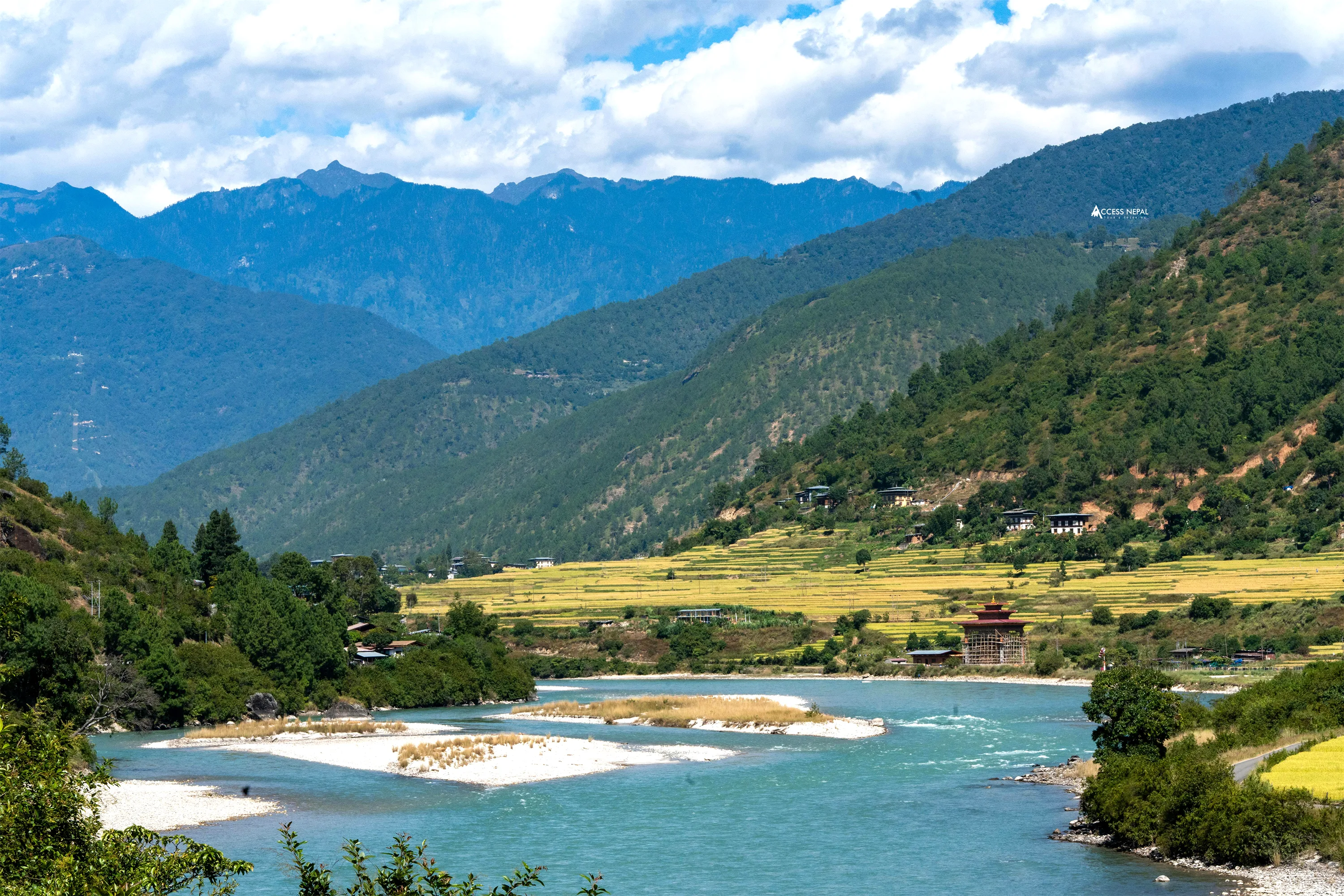
Bhutan Tour with Phobjikha Valley takes you to some of the iconic landmarks of Bhutan. Hike to Tiger’s Nest cliff monastery, the colorful 108 chortens of Dochula Pass, driving through rice fields of Punakha, and Phobjikha Valley are key parts of this Bhutan tour with Phobjikha Valley itinerary.
Phobjikha Valley is protected wetland sanctuary. It is located at 3,000 m and home to historic Gangtey Monastery and wintering black-necked cranes.
If you wanna experience the authentic natural beauty and culture, then our Classic Bhutan Tour with Phobjikha Valley package is the one. It’s an all-inclusive package. It is a customizable package with guaranteed departure. Book now and enjoy the Bhutan Tour, the land of happiness. The journey to Bhutan definitely feeds the soul and dazzles the senses of travellers.
Classic Bhutan Tour with Phobjikha Valley Highlights:
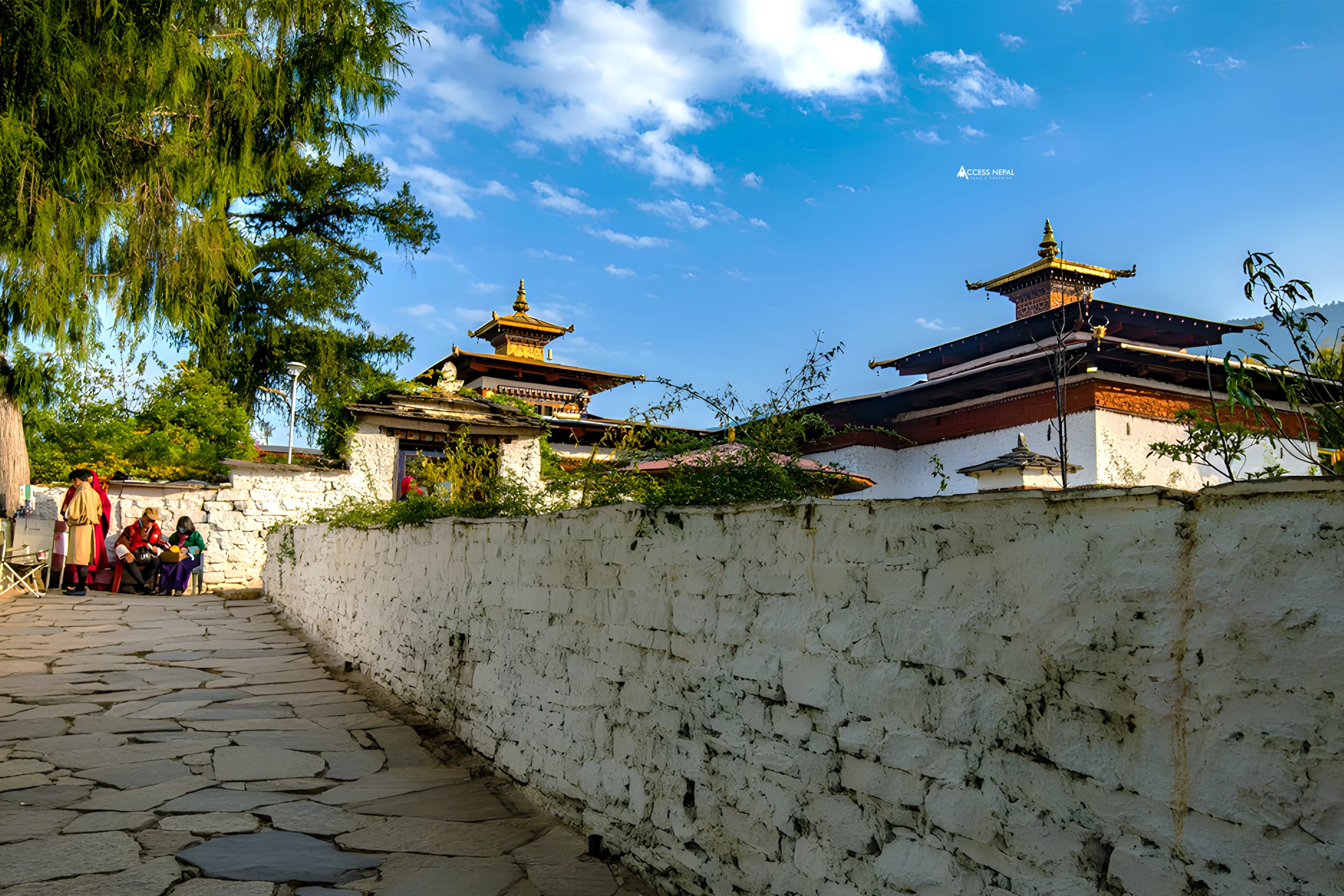
- Paro Valley Tour: Sightseeing Rinpung Dzong, National Museum, and Kyichu Lhakhang.
- Thimphu: Drive to Thimphu (capital city) at 2,334 m, visit the giant 54 m golden Buddha Dordenma statue, and Tashichho Dzong.
- Dochula Pass: Mountain pass at 3,100 m, which offers panoramic Himalayan views and 108 ancient chortens.
- Punakha Valley: Explore the lowland valley (1,200 m) known for mild climate and terraced fields. Stop by Punakha Dzong, located at the confluence of two rivers.
- Phobjikha Valley: A pristine, U-shaped highland basin (3,000 m), known for black-necked cranes.
- Paro Taktsang (Tiger’s Nest): Short hike to the world-famous cliffside monastery built at 2,950 m through pine forests.
- Bhutanese Culture Tour: Traditional farm villages, homestays and festivals, local cuisine (spicy ema datshi, buckwheat noodles), and the chance to watch archery matches.
Day 01Paro Arrival & Drive to Thimphu
-

- 50-55 km
-

- 2,334 m/ 6,657 ft
-
- 60-90 min drive
-

- 2,334 m/ 6,657 ft
Day 02Thimphu Sightseeing Tour
-
- 25-30 km
-
- 2,500 m/ 8,202 ft
-
- 5-6 hrs tour
-
- 2,334 m/ 6,657 ft
Day 03Drive from Thimphu to Punakha via Dochula Pass
-
- 72 km
-
- 3,100 m/ 10,170 ft
-
- 6 to 7 hrs of tour
-

- 1,500 m/ 4,921 ft
Day 04Drive from Punakha to Phobjikha Valley
-
- 80 km
-
- 3,000 m/ 10,000 ft
-
- 3-4 hrs
-
- 3,000 m/ 10,000 ft
Day 05Drive from Phobjikha Valley to Paro
-
- 140 km
-
- 3,000 m/ 10,000 ft
-
- 5-6 hrs
-
- 2,334 m/ 6,657 ft
Day 06Hike to Tiger’s Nest Monastery and Paro Tour
-
- 25 km
-
- 3,120 m/ 10,236 ft
-
- 5-6 hrs
-
- 3,120 m/ 10,236 ft
Day 07Departure from Paro
- Airport Transfer private tourist vehicle (Pick-up and Drop-off).
- 6 Nights standard twin-sharing accommodation on 3 star hotel throughout the classic Bhutan Tour with Phobjikha Valley (Upgrade option available).
- Tourist vehicle transportation with a designated driver throughout the tour.
- Sightseeing guided tour in a private tourist vehicle at Thimphu and Paro (all required monument fees covered).
- Full board meals (breakfast, lunch, dinner) along with cups of tea/coffee.
- Government-licensed, highly experienced, English-speaking, and first aid trained Bhutanese tour guide (all insurance and expenses covered).
- Porter to carry all your belongings (all insurance and expenses covered).
- Handle the Bhutan visa process and visa fee.
- All required permits.
- All required monument entrance fees during the sightseeing tour.
- Government-mandated Sustainable Development Fee of US$100 per person per night.
- All government taxes, tourist service charges, and 5% GST.
- Basic first-aid kit.
- Certificate after completing the trek.
- All international flight tickets.
- Travel insurance.
- Personal expenses for drinks and snacks.
- Tips for guides, porters, and other field staff.
- Additional trips or extra days in Bhutan.
Our groups are small with maximum 14 people. We create groups of independent travelers, friends and families which maintains close interpersonal connection, engage more and get into depth of the journey. Choose a date from the calendar to reserve your spot.

Classic Bhutan Tour with Phobjikha Valley: 6 Nights/7 Days
Bhutan Tour with Phobjikha Valley begins and ends in Paro Valley. It is an all-inclusive package perfect for travellers looking for a peaceful and leisurely vacation.
Within a week’s stay in Bhutan, this adventure takes you to some of the famous places in Bhutan, like Paro’s Tiger’s Nest, Rinpung Dzong, National Museum, Buddha Dordenma statue, Tashichho Dzong, Phobjikha Valley, and many more. It’s a standard package that introduces the great beauty of culturally and naturally rich Bhutan.
Guided by expert local guides, the Phobjikha Valley itinerary is designed to give you a smooth, unforgettable journey and a safe trip.
Best Time for Bhutan Tour with Phobjikha Valley
The best times to do a Bhutan Tour with Phobjikha Valley are spring (March to May) and autumn (September to November). The temperature and weather are perfect during these seasons. Spring and autumn are the shoulder seasons of Bhutan. Travellers from all over the world visit Bhutan for trekking and tours.
- Spring (March to May): Spring is the peak season for visiting Bhutan. The temperature rises, offering great visibility and clear skies. Valleys burst into colourful rhododendron and wildflowers. The surroundings become picturesque, and the weather makes it suitable for traveling around. The temperature in the lower region ranges from 10 to 25°C in spring.
- Autumn (September to November): It is another popular season to visit Bhutan. The weather is dry, and temperatures are pleasant; the air is crisp, and the forests glow with fall colors.
- Summer/Monsoon (June to August): Tour is possible during the summer in Bhutan, but trekking is quite hard. Bhutan Tour with Phobjikha Valley can be easily done in summer as well. Expect rain and hazy clouds during this season. Since the monsoon also coincides with rainfall is the major challenge; otherwise, summer is also fine for touring in ower region. Meanwhile, trekking in higher regions is not highly recommended due to landslides and muddy trails. Especially after June, heavy rains follows and the Himalayan foothills receive most of Bhutan’s 3,800+ mm annual rainfall in summer.
- Winter (December to February): Classic Bhutan Tour with Phobjikha Valley is possible during winter. However, expect the weather to be cold, especially at high elevations. In the winter season, the temperature drops to -6°C in Paro. High elevation temperatures are extremely cold, experience heavy snowfalland high passes get blocked. Meanwhile, winter is crane season in Phobjikha Valley. Those who wish to see these migrating birds should visit in winter. More than 600 endangered black-necked cranes comes in this valley in October and stay through March.
Those who wish to watch carnes and celebrate Crane Festival in Gangtey (early November) then doing a Bhutan Tour with Phobjikha Valley in winter is recommended. Bring warm layers of clothing. The Phobjikha Valley itinerary goes around lower valleys like Punakha and Thimphu, so, winter is feasble for travelling. The peak months to spot cranes in Phobjikha is from October through March. If not springtime is also ideal to visit Phobjikha (Apr to May). Weather and temperature makes it pleasant for hiking, with wildflowers and clear skies makes views more enjoyable. If you do not like crowds and doung budget-travel visit around early spring or late autumn trips.
Bhutan Tour Visa, Permits, and SDF Fees:
Bhutan has strict entry rules for all outside visitors. To preserve the culture, environemnt, and sustainable tourism, they have a Sustainable Development Fee (SDF). Foreigners have to get a visa in advance and pay the SDF fees daily. SDF fee cost is US$100 per person per night. Children between 6 and 12 have to pay US$50, under 6 are free. In addition, there is a one-time visa application fee of US$40.
Note: Indians, Bangladeshis, and Maldivians do not require visa but SDF fees is still required.
How to Apply for a Bhutan Visa:
To apply for a Bhutanese visa, visit the official Immigration website or obtain it through a Bhutan Tour operator. To get a visa for Bhutan, you need a passport (valid for at least 6 months) and a travel itinerary. Visa get approve within 5 days, and afterwards, you will receive a visa clearance letter. To book a flight to Bhutan, your visa must be approved.
Bhutan only has one international Airport: Paro Airport (Druk Air, Bhutan Airlines). Those who prefer overland travel can enter Bhutan through two Indian border crossings: Phuentsholing (Jaigaon, West Bengal) or Samdrup Jongkhar (Assam). If entering by land, your tour operator will handle permits at immigration.
Special Permits:
- Indians travellers need a (free) permit which can be issued on arrival.
- Bangladeshis and Maldivians technically need visas but follow a simplified process.
- All others need the approved visa to enter.
During the entry, bring a visa clearance letter, a passport (valid ≥6 months past entry), and a Bhutanese entry permit (given on arrival). Keep copies of these with you at all times. Once in Bhutan, you must stay with your guide for all sightseeing outside Paro/Thimphu.
The visa and SDF are handled by us. However, make sure you have digital or printed copies of all permits when you travel.
How to Plan and Budget a Bhutan Tour?
At first, a visit to Bhutan may feel daunting due to strict rules, limited visitor rules, and the documentation process. However, it’s not as hard as you think. With a tour operator like Access Nepal Tour and Trekking, we will handle everything. Bhutan only allows a limited number of visitors to travel in Bhutan to promote sustainability and preserve the environment. To avoid any hassle, book 3 to 6 months in advance, especially if you are visiting during peak seasons (spring/autumn) and festival time.
- Tour Operator: To travel in Bhutan, it’s mandatory to travel through a licensed tour operator like Access Nepal. Solo travel is now allowed, but guides are mandatory in the provinces. We can arrange your entire itinerary, including hotels, transport, and permits.
- Payment: Our Classic Bhutan Tour with Phobjikha Valley package is all-inclusive. We accept wire/card/bank transfer in USD/NU/ NRS. To reserve your seat, you must pay 30% in advance, and remaing miust be paid within 24 hours of your arrival in Paro.
- Tour Costs: Our Classic Bhutan Tour with Pohbjikha Valley cost includes expenses for all required accommodation, meals, SDF fees, transportation, guides, porters, and permits as per the itinerary.
- Flight Costs: Flights can vary depending on which country you are visiting and seasons. Usually, round-trip flights to Paro can cost you from $600 to $1,200 USD.
- Budgeting Extras: Besides the tour package, allocate some amount for personal expenses like souvenirs, drinks, or any other personal expenses. Also carry enough cash in Ngultrum/INR or USD for tipping.
- Insurance: Travel insurance is a must for visiting Bhutan. Buy a comprehensive travel insurance policy that includes emergency evacuation, medical services, lost items, flights, and all.
Bhutan’s official tourism slogan is “High Value, Low Impact.” Therefore, travelling can be expenisve but you are contributing a lot. Your visit helps in environemnt, the economy, funding local jobs, and conservation efforts.
Major Festivals of Bhutan and Timing
Bhutan is rich in culture and festivals. It’s a place of festival delight. Bhutanese festivals (Tsechus) are spiritual, which honor Buddhism. During the festival, evryone wear their traditional clothes called gho and kira, visit dzongs and monasteries to watch masked dances and perform rituals. You can also celebrate these festivals if you visit around those times.
- Paro Tshechu (Spring, March/April): This festival is one of the major festivals in Bhutan. Paro Tshechu falls from March 29 to April 2 in 2026. It is also the most popular festival celebrated at Rinpung Dzong. People gather here to watch masked dances and thangka.
- Thimphu Tshechu (Autumn, September): This festival is celebrated at the royal dzong from September 21-23, 2026. It’s a must-see festival in the capital of Bhutan.
- Punakha Tshechu (February): It’s a two-day festival celebrated from February 27-28, 2026, at Punakha Dzong. During this festival, you can see Punakha Dromche horsemen dance, and ancient battles with swords and horses. It’s a different yet fun and cultural learning experience.
- Black-Necked Crane Festival (November): This festival is celebarted in every November 11 in the Gangtey Monasteries. This festival celebrates the cranes’ return with dance and music. Visitors and locals wear their national dress and visit the Gangtey village square. You can try to align your visit of Classic Bhutan Tour with Phobjikha Valley around this festival.
Culture Note: Tsechus are celebarted to honor Guru Rinpoche (Buddhist saint). It shows their deeply rooted culture and religious belif towards Buddhism. The best part of visiting Bhutan during festival season is for new expereince and learning. These festivals in Bhutan shows a glimpse into their soul.
Bhutan Culture and Meeting Bhutanese People
Bhutanese culture is warm, humble, and deeply spiritual. You’ll find locals to be polite and friendly; many Bhutanese adults speak English, especially younger people.
- National Dress: Bhutanese wear gho (men) and kira (women) daily. You’ll see most officials, monks, and even schoolchildren dressed in these colorful robes. Visitors aren’t required to dress Bhutanese-style, but modesty is important (shoulders covered, no shorts or tight clothes). Dressing in “your smartest outfit” or national dress when visiting dzongs or participating in events is considered highly respectful.
- Greetings and Etiquette: A common greeting is “Kuzuzangpo la!” (“May all goodness come to you” in Dzongkha). Bhutanese often greet with a slight bow and hands together. At temples, walk clockwise around stupas and prayer wheels (keeping sacred objects to your right). When visiting homes, remove your shoes at the door. Accept offers of tea or butter tea (suja) graciously, and wait for elders to begin eating first. Always request permission before photographing people, especially monks and elders.
- Spiritual Values: Buddhism informs everyday life. Locals may thrice-circumambulate temples (like Gangtey Monastery) to show respect; it’s common to see villagers silently making offerings of tsampa and incense for family shrines. Witnessing Bhutanese devotion, for example, morning chants or festival rituals, is a humbling experience. Remember to follow your guide’s instructions, especially in religious settings (no flash photography inside shrines, no touching statues or prayer wheels).
- Gross National Happiness: Bhutan famously measures success by Gross National Happiness. This cultural priority means Bhutanese tend to be content and welcoming. You’ll often hear smiles and laughter, and people will often express curiosity about your life back home. If you take a photo of someone, it’s kind to show it to them; it delights them to see Bhutan from an outsider’s eyes.
- Interaction Tips: Bhutanese conversation is polite; loud arguments or public displays of anger are frowned upon. Bhutan is very family-oriented: kids may shyly approach you, but always ask before photographing children. Treat everyone with respect – gentle humor is fine, but avoid political or critical remarks.
Fun Fact: Bhutan was the last country on Earth to introduce television (in 1999) and the internet (in 1999)! Even now, many rural villages have limited connectivity, so Bhutan tours feel like a refreshing digital detox. Embrace the peace, your guide will always be a phone call away in an emergency.
Food during the Bhutan Tour with Phobjikha Valley
Classic Bhuta Tour with Phibjikha Valley includes full board meals along with a cup of teas/coffee. It is an inclusive package, so you do not have to worry about food. All provided meals are organic, healthy, and nutritious for the traveller’s body.
Bhutanese food is hearty and often spicy. The staple is red rice (a nutty-tasting brown rice), served at nearly every meal. Fresh vegetables, cheese, and meat (yak, pork, beef, chicken) complement the rice. The national dish is Ema Datshi, green chilies simmered in a rich cheese sauce. Be prepared: Bhutanese use a lot of chili; even seemingly mild dishes may have a kick. Other common dishes include:
- Ema Datshi: Chilies and cheese (spicy comfort food).
- Kewa Datshi: Potatoes with cheese (a milder cousin of datshi).
- Momos: Steamed or fried Tibetan-style dumplings, often filled with pork or cheese.
- Shakam Datshi: Dried beef (or yak) with cheese, very flavorful.
Meals in towns and hotels are usually buffet style, offering both Bhutanese and Western dishes. If you stay in a farmhouse or homestay, you’ll often enjoy traditional home-cooking: expect soups, local greens, tsampa porridge, and sweetened butter tea. Many Bhutanese are proud of their cuisine; if a family offers you ara (local rice wine) or suja (butter tea), try a sip out of respect. Tipping on food is not expected, but it’s polite to accept hospitality warmly.
Order a “pint of dairy” tea (half milk, half tea) with meals if you want a milder drink. And don’t miss out on trying Suja (butter tea) at least once, it’s a buttery, salty black tea that locals cherish as a warming drink.
If you have special needs (e.g. vegan diet), let us know in advance, and we will accommodate them.
Accommodation on the Bhutan Tour with Phobjikha Valley
On our Classic Bhutan Tour with Phobjikha Valley, you’ll stay in a 3-star Bhutanese hotel. Our package includes a standard good level of accommodation services. Rooms come in a twin-sharing with private bathrooms, hot showers, and local wood-carved furnishings. Accommodation services can be customized at additional prices.
Most of the guesthouses and hotels in Thimphu and Paro are designed in traditional dzongs (fortresses) with ornate woodwork and Buddhist motifs. Accommodations are homely, cozy, and hygienic, perfect for resting for a night.
Accommodations in Punakha are similar to those in Thimphu and Paro. The only difference is surrounding. It is more peaceful, remote, and surrounded by green nature and mountainsviews. Likewise, in Phobjikha Valley, accommodation is simpler. Rooms here have blankets and sometimes kerosene heaters, pack warm pajamas and layers! The authentic rural setting is part of the Classic Bhutan Tour with Phobjikha Valley.
Bhutanese hotels are clean and comfortable, though plumbing can be rustic (expect squat toilets in very remote villages).
Currency Payments in Bhutan
Bhutan’s currency is the Ngultrum (Nu), pegged 1:1 to the Indian Rupee. In Bhutan, INR is accepted but not more than ₹500. USD is also accepted at major hotels and tourist areas. Fr lca transactions, it is best to carry Ngultrum (or INR).
ATM & Cards:
ATM are available in major cities like Paro and Thimphu. Indian banks often operate them. Outside the cities, ATMs are rarely found. Therefore, carry or withdraw cash for personal expenses at Paro or Thimphu.
Credit cards are only accepted at top hotels and larger shops. To play it safe and convenient, it is best to bring cash.
Payments:
The prices at tourist areas are listed in USD, but most of the places have prices in Nu. It is best to carry Nu for convenience or INR as well since it is widely accepted. The daily SDF fees can be paid in Nu, INR, or USD.
Tipping:
Tipping in Bhutan is not required but is appreciated. A customary guideline is: $5-10 USD (or equivalent in Nu) per person per day for your guide, and $3–5 for your driver. (If you’re in a couple, around $8-10 per day for the guide is normal.) Hotel porters (often young) can be tipped Nu20-50 per bag. Paying in local currency is easiest for the crew, though US dollars are widely accepted for tips. It’s best to hand tips directly (our guide will help collect them at the trip’s end).
Small temple or monastery donations are customary (about Nu100 per offering). A polite way to thank villagers who share snacks or blessings is to leave a modest donation in the shrine boxes (again ~Nu100).
Exchange a bit of money at the Paro airport or Thimphu (and save your leftover INR), since rates are similar. Using Bhutanese Nu is convenient. Visa card usage is expanding but always have backup cash for rural excursions.
How much does a Bhutan tour package cost?
The Bhutan Tour package cost $2,190 USD per person. It is an inclusive package which covers all the costs for accommodation, meals, guides, porters, permits, transportation, visa, and SDF fees as well.
Can I visit Bhutan without a guide?
Do I need to book Bhutan tours in advance?
How many days are ideal for a Bhutan tour?
How do I get to Bhutan?
Is a tour to Bhutan good for family holidays?
What is the Sustainable Development Fee (SDF)?
What is included for Classic Bhutan Tour with Phobjikha Valley Package?
Is Bhutan safe for tourists?
Can I customize my Bhutan travel?
How good is the internet and WI-FI in Bhutan?
How flexible are Bhutan guided tours for itinerary changes?
Awards and Achievements
Access Nepal Tour and Treks has been recognized with TripAdvisor’s prestigious Travelers’ Choice Award for multiple consecutive years, reflecting our unwavering commitment to quality and clients’ satisfaction.