

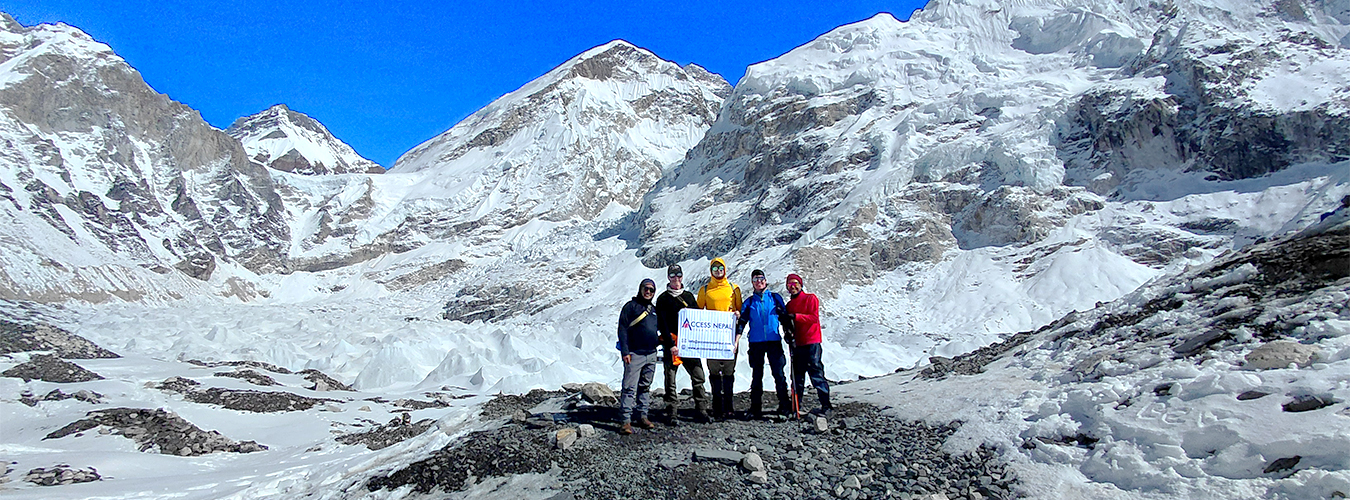
Everest Base Camp Trek In January
- Places
- By accessnepaltour
The Everest Base Camp Trek in January pulls adventurers from everywhere on earth. This post breaks down what it is really like to go in January. You will get clear info on paths covered in snow, which route fits best, and exactly what gear you need each day. Instead of hype, we balance pros and real struggles and provide straight answers to your worries. Folks often keep asking before trying this trek in freezing weather.
Winter is not your typical season for visiting Everest Base Camp. Most travelers go between March and May or from September through November instead. Yet hitting the trail in January has its upsides. The fewer crowds and amazing visibility. Still, you need to watch out for challenges so you are prepared and avoid issues along the way. Here is a fast look at the 12-day EBC route with Access Nepal.
Overview of the Everest Base Camp Trek in January
December and January are the months when trekking to Everest Base Camp is a great adventure and full of fun since December is the last month of the year, while January is the first month of the new year. Walking to Everest Base Camp in winter has the feeling of being fresh and still exhilarating.
By then, winter has already arrived with heavy snows covering the high valleys and mountain ranges, and snow is already at the lower levels.
Mount Everest, the tallest mountain in the world, and Everest Base Camp, a trekking camp 5000 m above sea level, are filled with adventure in every step. But the weather is harsh, so you have to be particular with their steps.
In January, you will see fewer trekkers on the trail than at any other time. You will get clear mountain views of the mountain. But you need to prepare gear for harsh and cold weather. Trekking in January is possible, but without proper preparation, you might face difficulties and injure yourself.
So if you are planning to join Access Nepal, you will get proper guidance and make your journey comfortable and safe.
Weather and Climate of the Everest Region in January
Finding out what type of trip you would like to go on must include assessing all available information regarding the weather prior to planning your trip. For example, when planning your winter vacation, you need to know that in January, mountainous areas tend to be cool/cold at night, as it will likely be mainly dry/sunny most days; however, access roads into the top of the mountain area could be blocked due to snow/ice during this time.
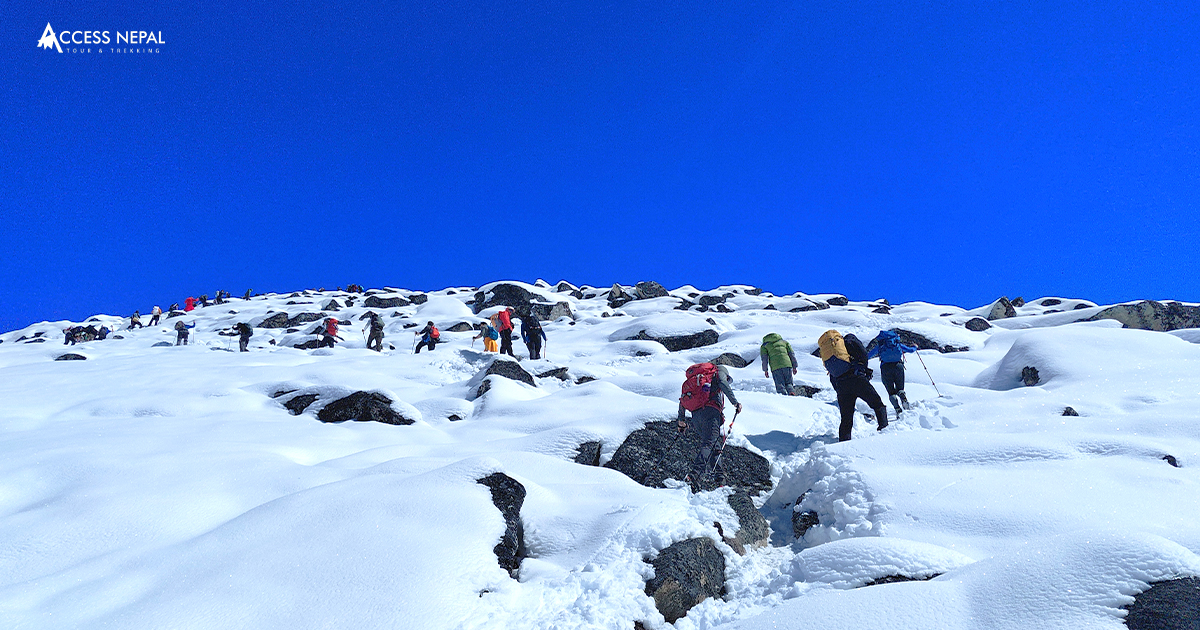
Trekking in Nepal in January
The above chart shows you the weather you have to face in different places on your journey. You can notice that the temperature is dropping up to -25°C, and high altitude even makes the situation worse.
So if you are planning for January, you can contact us to join our group and travel with full comfort and safety.
Alternative Treks to the Everest Base Camp Trek in January
Some trekkers want to enjoy the January trek, but they can’t handle the harsh and cold weather, so they mostly avoid the risk of getting themselves injured. But with Access Nepal, you don’t have to worry about being left out. We have alternative treks for the people who want to feel the same thrill without losing the opportunity.
Everest Panorama Trek
One of the world’s most popular trekking destinations, lower than EBC but still giving views of Everest, Lhotse, Nuptse, and Ama Dablam.
Nepal’s packed with great hikes for tourists. Some paths are a breeze, others feel impossible—yet the trip pulling folks in is the 7-day Everest Panorama Trek, exciting but doable. While it’s tough enough to thrill, it won’t wreck beginners.
The 7-day Everest Panorama Trek suits people wanting stunning views without risking altitude issues. This walk’s brief, yet packed with excitement—offering jaw-dropping sights along the way. You’ll pass through charming traditional villages tucked into hillsides. Winding rivers cut through the landscape, adding calm to the journey. Thick forests pop up between open stretches, changing the scenery often.
Gokyo Lakes Trek
For trekkers who want to walk a similar trail to the Everest Base Camp Trek and still enjoy mind-blowing scenery, the Gokyo Lake Trek is ideal. It allows you to experience world-famous products and stay at the charming town of Namche Bazaar.
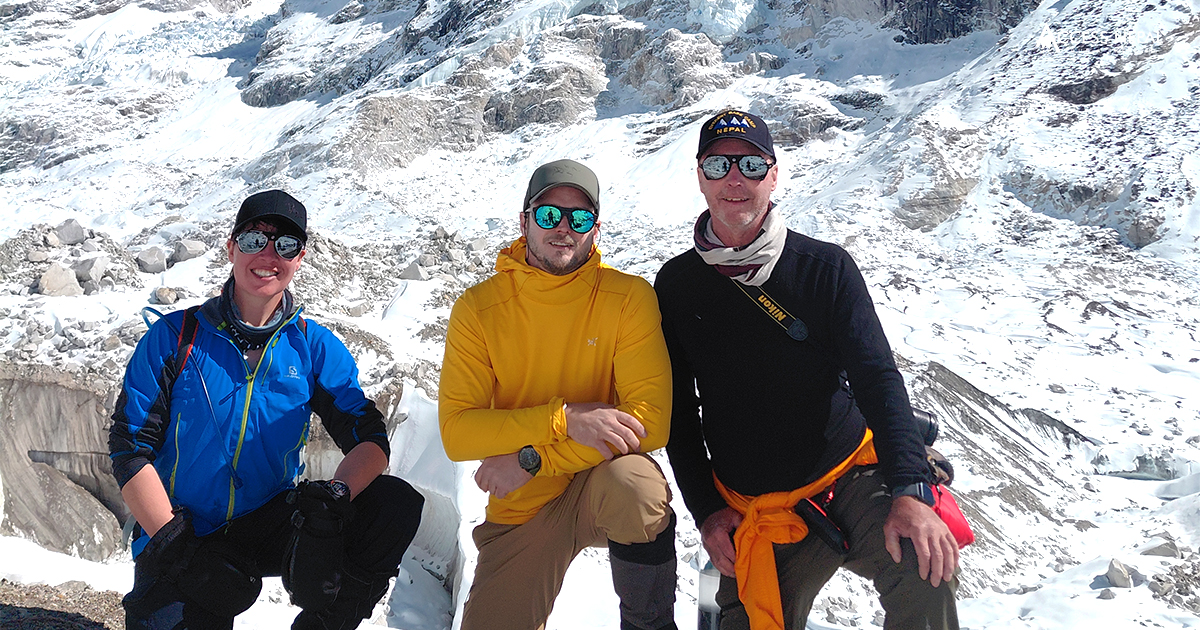
Our Client of the Everest Base Camp Trek in January
Although the trails do not receive as many visitors as EBC, they give you the opportunity to experience local mountain communities while enjoying beautiful glacial rivers and snow-capped mountain tops with their deep blue-green of Gokyo’s lakes as they make up these five lakes.
Lower Dolpo or Annapurna Circuit
The Tibetan influence of the Lower Dolpo Circuit also contributes to its remote and isolated nature. While geographically, Lower Dolpo is at a higher elevation than Upper Dolpo, the altitude in this part of the lowland area would exceed much of what is in Upper Dolpo.
Thus, Lower Dolpo has a semi-arid climate similar to that of Upper Dolpo, therefore having dry, warm summers and frigid and wet winters. Due to the length of time trekkers must spend trekking the course of the Lower Dolpo Circuit for two weeks at a minimum, an individual must be in good physical condition and have considerable physical endurance.
The trail traverses up to the summit, reaching an elevation of 5,190 m at its highest point, and on average, trekkers will trek no less than 6–7 hours per day.
Trekkers will see many breathtaking sights along the trail, including wonderful blue waters at Phoksundo Lake (3,611 m), beautiful plant and animal life, along with the opportunity to experience the religion that is practiced there, which is vastly different from what anyone may know: a fantastic local festival, steep and rugged mountain passes, stunning snowcapped mountain peaks of the Kanjirowa Himal Range, and many other incredibly beautiful moments and places!
Popular Route Options for Everest Base Camp in January
The conventional path for reaching Everest Base Camp begins with a flight from Kathmandu to Lukla, followed by treks that return on the same path through Phakding, Namche Bazaar, Dingboche, Lobuche, and Gorak Shep to finally arrive at Everest Base Camp. This trip typically requires approximately 12 to 14 days to complete.
Gokyo Route
The Gokyo Route provides another way to reach Everest’s base area—longer yet far quieter compared to the usual path that runs straight up the central trail. Instead of heavy foot traffic, this option sees sparse movement, meaning it feels open rather than jammed at key spots.

Travelers choosing this path get access to the scenic Gokyo Valley plus its vivid blue alpine lakes. Reaching the top of Gokyo Ri rewards them with vast, sweeping sights stretching across Everest and nearby high peaks alike. While this journey demands extra days when set against the typical EBC hike, it brings solitude along with landscapes ranked among the region’s finest visual highlights.
Jiri/Salleri Roads
Using the Salleri Road offers another option besides flying straight to Lukla—this path leads to Everest too. When flights from Kathmandu get disrupted by poor weather, this land route becomes a practical backup. Winter brings frequent interruptions to air service between Kathmandu and Lukla; January often sees thick fog plus strong winds. So travelers aiming for Everest during that month must expect holdups while staying open to changing their itinerary.
Major Highlights of Everest Base Trek Along the Way
Here’s what you’ll see and experience on a January trek: crystal-clear mountain views. Winter skies in the Himalayas are dry and clear, so you get sharp, uninterrupted views of giants like Mount Everest (8,848.86 m), along with Lhotse, Nuptse, and the stunning Ama Dablam.
- Sherpa Culture: You’ll pass through traditional Sherpa villages, meet local people, and get a glimpse of their daily life and traditions. Namche Bazaar stands out as the main cultural hub, full of energy, stories, and local culture.
- Snow-Capped Forests: Lower down, you’ll walk among snow-dusted forests of pine and juniper.
- Monasteries: Tengboche Monastery stands as a peaceful stop with views and religious significance.
- Kala Patthar Sunrise: The climb to Kala Patthar gives one of the best sunrise views in the world—if the wind allows you to rise early.
Everest Base Camp Trek in January Itinerary
If you are planning to join us, here is a typical 12-day itinerary while you are travelling with us. You can adjust yourself to the weather and personal fitness.
Day 1: Kathmandu Arrival, Trek Preparation
You will arrive in Kathmandu, check your permits and gear, and can have a little night walk in Thamel.
Day 2: Fly to Lukla
The next day, after preparing all the gear and your needed equipment, fly to Lukla early in the morning.
Day 3: Phakding to Namche Bazaar
On day 3, you will start your trek from Phakding while walking along the Dudh Koshi River and crossing suspension bridges to reach Namche Bazaar, a short day trek with majestic views.
Day 4: Stay at Namche
On day four, you will recheck your gear and take a short break to adjust to the altitude and take a short walk around town, enjoying its tradition and culture.
Day 5: Namche to Tengboche
After the rest, you will start your journey with the aim of reaching Tengboche, which is popular for its monastery.
Day 6: Tengboche to Dingboche
On day 6, you will start to climb the higher valleys and pass snow-covered slopes.
Day 7: Acclimatize in Dingboche
After the continued trek, you will rest for a day to remove your fatigue and do a few short hikes.
Day 8: Dingboche to Lobuche
After recovering your energy, we will start the journey again and reach Lobuche on day 8.
Day 9: Lobuche to Gorak Shep to EBC to Gorak Shep
This is your key day. You go to Everest Base Camp, then back to Gorak Shep (5,164 m). Expect low temperatures and wind.
Day 10: Gorak Shep to Kala Patthar to Pheriche
Climb early to Kala Patthar for sunrise. Then descend to Pheriche (4,240 m).
Day 11: Pheriche to Namche Bazaar
Begin descent toward lower altitudes. The weather becomes milder.
Day 12: Namche to Lukla
Final trek day back to Lukla
Day 13: Fly to Kathmandu
Return flight. End of trek.
This itinerary allows acclimatization days, crucial in winter conditions.
How cold is the Everest Base Camp journey in January?
January in the area of Mount Everest is equally harsh. By the end of January, the average daily high in the north area of the mountain will range from -10 to -5 degrees; the average night low will drop by a couple of degrees or slightly higher, depending on the wind.
Winds that blow continuously create an additional chilling effect (wind chill). Numerous accounts state that even though you may experience bright conditions and some warmth when exposed directly to the sun, once you move out of direct light, you will feel the chill returning very quickly due to the wind conditions when exposed at night.
Good winter clothing should have the correct insulation (temperature) layers; unfortunately, most of those above Namche will still be below zero in the first part of February.
Packing List for Everest Base Camp Trek in January
You need gear that keeps you warm, dry, and safe. Some of the essential packing list for Everest Base Camp Trek especially in January, are:
Clothing Essentials for Everest Base Camp Trek in January
- Base layers (thermal top and bottom)
- Fleece jacket
- Down jacket
- Waterproof windproof shell
- Insulated trousers
- Warm gloves and hat
- UV protection sunglasses
- Footwear
- Durable trekking boots
- Microspikes/crampons (for icy patches)
- Gaiters
- Sleep and Comfort
- Sleeping bag rated to −20°C or lower
- Sleeping pad (adds insulation from cold floors)
Other Gear for EBC Trek in January
- Trekking poles
- Headlamp
- High-SPF sunscreen
- Water purification
- First-aid kit
- Personal medications
Documents needed for Everest Region Treks
- Permits (TIMS + Sagarmatha National Park)
Insurance documents
Pack smart. Too much gear slows you down; too little puts you at risk.
Advantages of EBC Trek in January
January offers several advantages for the Everest Base Camp trek. The trails stay quiet, with far fewer trekkers, so you walk in peace and do not wait for photos or teahouse rooms. Dry winter air brings clear skies and sharp mountain views. With fewer guests, the teahouse staff can give you more personal service.
In some areas, winter prices drop, which can reduce costs. The quiet season also gives a more authentic view of daily life in Sherpa villages when the trail is not busy.
Disadvantages of EBC Trek in January
January poses challenges for the Everest Base Camp hike. Cold intensifies, particularly after sunset, making warmth difficult to maintain. Icy patches appear on trails, reducing grip while increasing travel duration. Numerous lodges shut down during this season; booking accommodations early becomes essential.
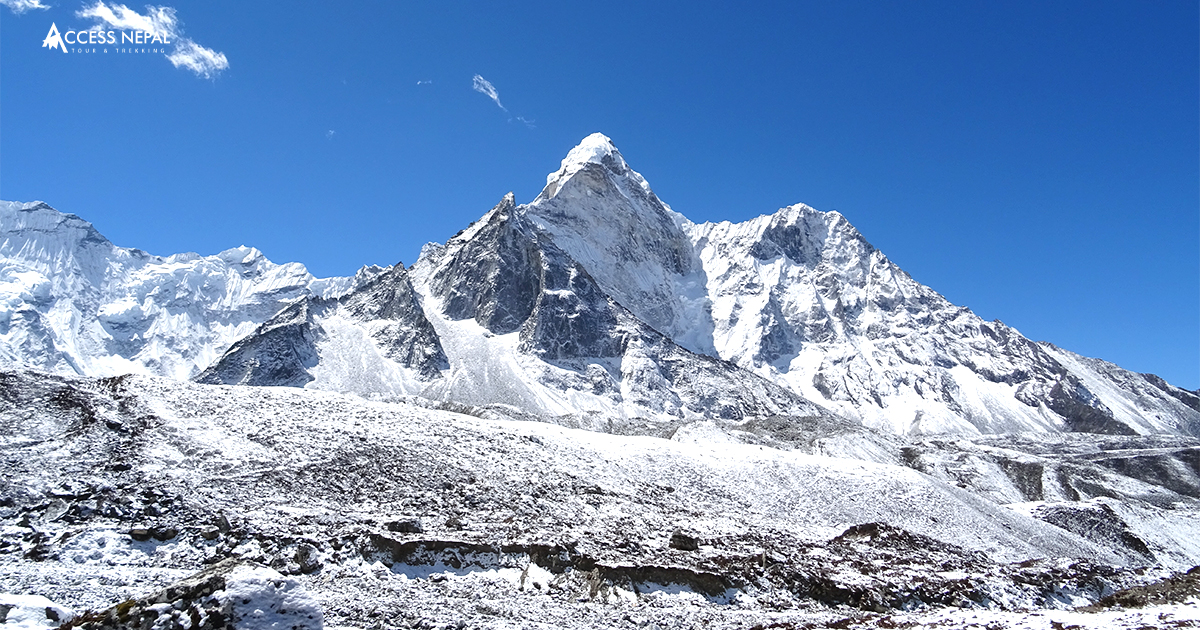
Everest Base Camp Trek in Winter
Reduced sunlight restricts daily walking windows. Travel to Lukla is frequently postponed due to poor weather conditions. Despite this, numerous hikers consider the winter journey worthwhile—if they plan well.
FAQs on EBC Trek in January
How cold can it get while doing the Everest Base Camp trek in January?
During the day, the temperature can drop to -5°C, but at night it can fall down to -25°C.
Will the teahouses in the EBC region remain open in January?
Most of the teahouses are open, but as you reach the high altitude, you might see fewer numbers, but it will be enough for the fewer trekkers.
Are guides/porters necessary for the EBC trek in January?
You don’t legally need a guide, but winter conditions make guides very helpful for safety and logistics.
Do I need travel insurance while trekking to EBC in January?
Yes. Insurance that covers evacuation and weather delays keeps you safe.
Is trekking to EBC in January safe?
Yes, it is safe. If you have proper instruction and an itinerary, you can reach your destination without a problem.
Why choose Access Nepal Travel and Treks for EBC in January?
Access Nepal and treks have been guiding the travelers for more than 10 years, where their personal guides will make your journey breathtaking with more than 10,000 happy trekkers.

Frozen Gokyo Lake in January
The company is fully licensed and registered. They will provide their personal experienced guide for a comfortable journey.
Friendly and polite behavior with the travelers. They will take care of your documents and your travel needs. Providing the best cost-friendly environment with the best comfort.
Finally, thank you for joining our family. We wish you the best of luck and safe travels for the Everest Base Camp Trek in January waiting ahead for you. Have a safe journey.


Awards and Achievements
Access Nepal Tour and Treks has been recognized with TripAdvisor’s prestigious Travelers’ Choice Award for multiple consecutive years, reflecting our unwavering commitment to quality and clients’ satisfaction.











Leave Your Comment