

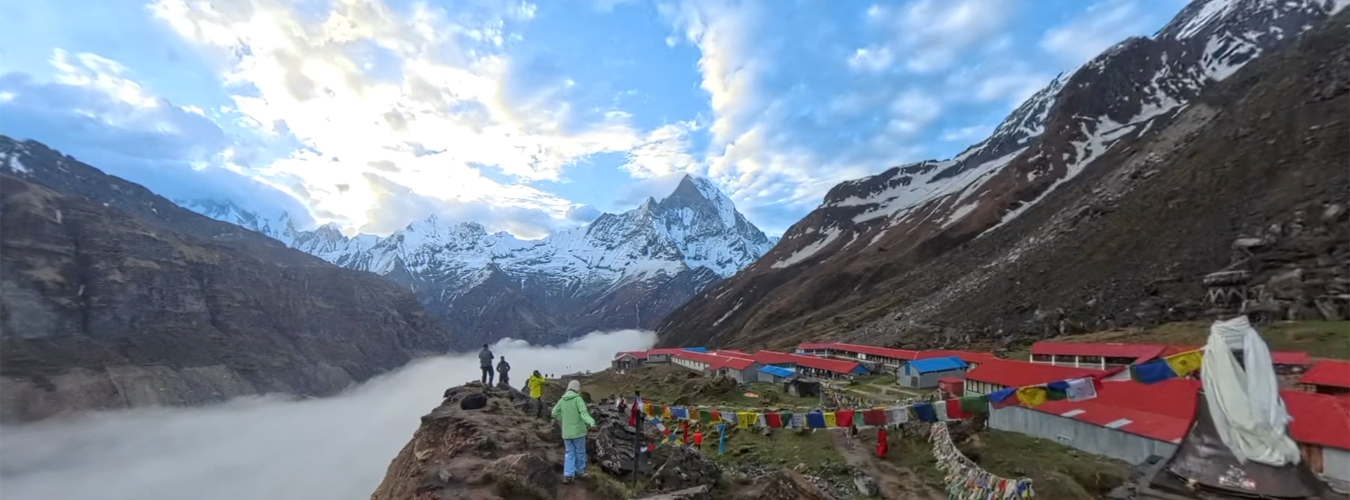
Annapurna Base Camp Trek in March
- Information
- By Shrijan budhathoki
Annapurna Base Camp trek in March is one of the most popular and demanding adventures in Nepal. Nepal is popular for its mountains, and Annapurna is the world’s 10th-tallest mountain, standing tall at 8,090 meters above sea level, located in the Gandaki province of Nepal. The Annapurna Base Camp trek can bring you an exceptional trekking experience for beginners and professional trekkers.
As the month of March invites spring, while waving goodbye to winter and awakens the clear view of the mountains. You will notice the clear trails as the snow will start to melt and provides you with a clear view of your surroundings. But you can expect to see a few patches of snow covering the trails at higher altitudes.
During the mid-month of March, when most of the snow has melted, you can see the flowering of rhododendron trees at lower altitudes.
If you are planning to visit the Annapurna Base Camp in March, Access Nepal would like to invite you to join our team, where experienced guides will help you to prepare for the journey, and our team will handle all of your logistical things so you can enjoy the journey carefree.
Why Annapurna Base Camp Trek in March?
Annapurna Base Camp trek in March never disappoints the adventure seekers. The journey will consistently provide breathtaking scenery and an unhindered view of the mountains. The natural beauty that always stuns the visitors and the weather in March are best for sightseeing and enjoying the majestic view of forests, rivers, and mountains trying to touch the sky.
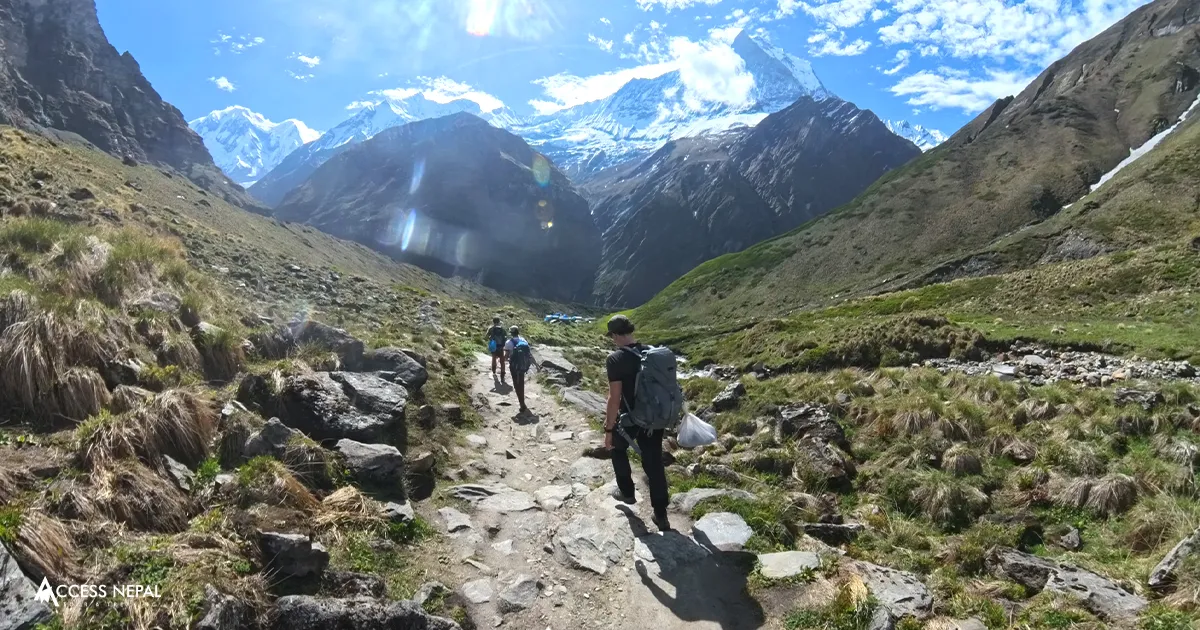
On the way to Annapurna Base Camp Trek
The month of March offers the perfect balance of warm weather in the day and freezing cold nights. Annapurna Base Camp trekking in March allows you to experience both winter and summer adventures. The clear view of the sky and the majestic view of Mount Annapurna. You can even expect the light snowfall at higher altitudes. So you need to keep yourself warm and safe from the cold breeze and frostbite during the night.
Although March is the beginning of spring, the temperature is still low, and you can feel the cold air in your surroundings. But the day’s warmth will help you to continue the journey with a clear view of the trails, and the help of the experienced guide will help you to tackle the problems and keep you safe from getting injured.
Advantages of Booking the Annapurna Base Camp Trek in March
The best Annapurna Base Camp Trek in March is because it offers the perfect balance of warmth and coldness. Hikers can enjoy both winter and summer experiences at the same time. March welcomes the spring, also known as the season of flowers. The warm air and the rays of the sun will light the entire forest, river, and mountain surrounding the place. The clear sky and the fewer crowds make it even more vibrant. The best things about the Annapurna Base Camp Trek in March are:
I. Less Crowded Trails
The trails of the Annapurna Base Camp trek are less crowded in March compared to August and September. The beginner hiker prefers summer for their journey because in winter, the temperature keeps dropping with shorter days and longer nights. The thick snow covering the trails drains the energy of hikers.
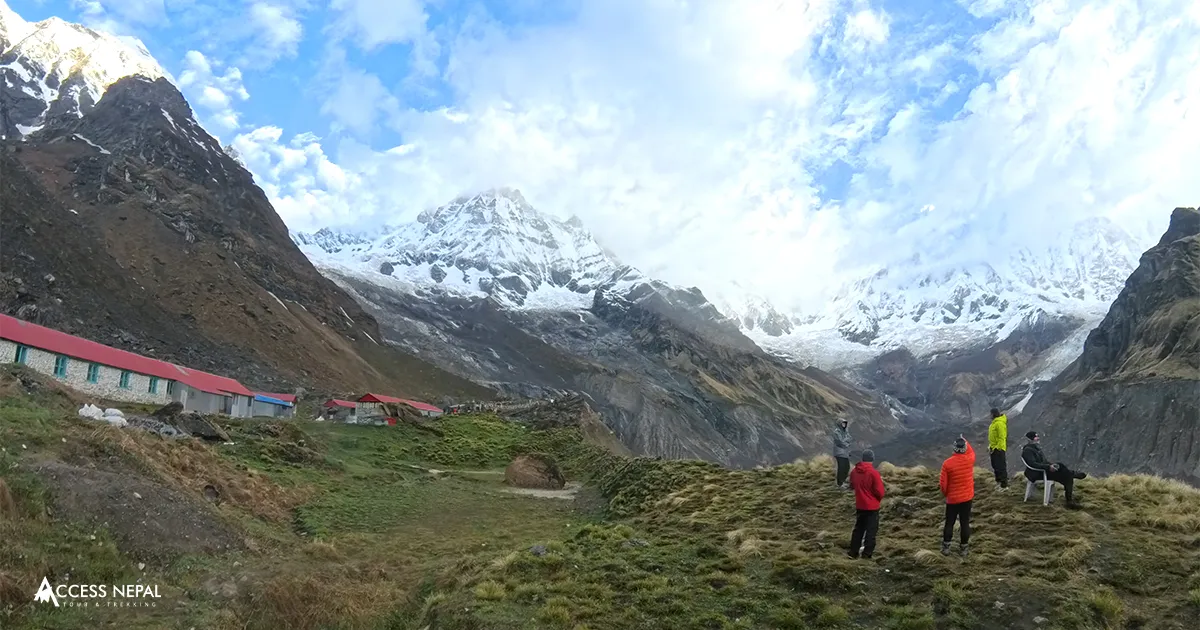
Less Crowded trails in the Annapurna Region
March is the starting season for climbing Mount Annapurna. In March, the air is still chill during nights, but the day provides the warmth of the sun. Compared to August, the trails are less crowded, and fewer people will join you for the adventure. It is the perfect opportunity for solo trekkers and nature lovers because fewer crowds will make less noise and disturbance. The perfect time to travel for people who love solitude.
II. Festivals
Nepal is known for its multi-religion, multi-culture, and multi-tradition, and also holds the nickname “a garden filled with different flowers.” March is the perfect season for the trekkers if you want to take part in Nepali culture and know more about the festivals celebrated in different parts of Nepal. March is the most suitable month for Annapurna Base Camp trekking because you enjoy many festivals like Holi, Ghode Jatra, and Chaite Dashain, among many others.
Holi is one of the important festivals in Hindu culture. The festival of colors that brings together all the cast and fills their hearts with joy and happiness. The festival is where people dance to music and share sweets and colors as tokens of love. The streets are filled with laughter and colors beyond imagination.
III. Annapurna Weather in March
March is known for its mild temperatures and relaxing weather conditions for daytime trekking. The surroundings are influenced by the spring and make the daytime warmer and brighter. The clear sky with fresh air rewards your hard work with the majestic view of the mountains and the forest filled with flowers. The early days of March still carry the coldness in the air.
You can even see the snow on your journey as you climb to a higher altitude. But as time goes on, you will notice the rise in temperature and the warm rays of light touching your skin while conquering the Annapurna in March.
The Annapurna Base Camp trek might be popular among beginners, but weather is always the key factor that can make a difference in your journey. Many people find winter and the rainy season the most challenging and difficult time for beginner trekkers. In winter,r days are short and nights are freezing and long.
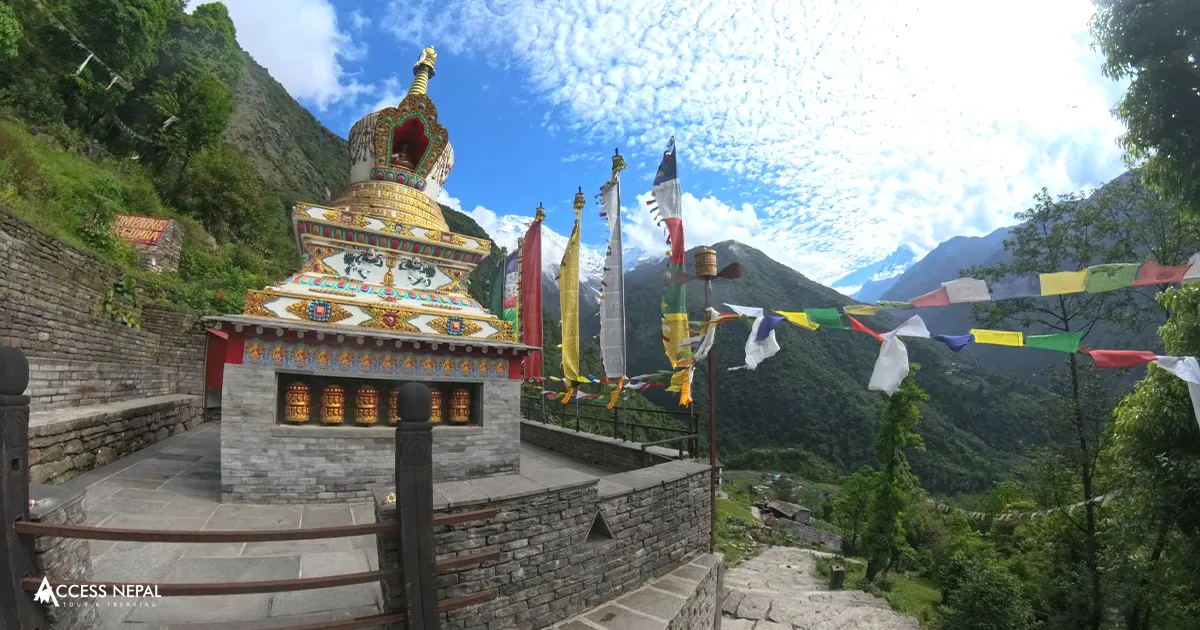
Weather in Annapurna Base Camp
The trails are covered in snow, and as the altitude increases, the temperature keeps dropping due to the lower oxygen in the air. The rainy season brings muddy trails, and it’s hard to predict the sudden change of weather in the rainy season, which can be dangerous for hikers.
Choosing the right time for trekking is most important for creating memories and a perfect time to know the Nepali culture. If the weather is hazy and foggy, you will have fewer opportunities to see the majestic view of the mountains like Dhaulagiri, Fishtail, and Annapurna.
The Annapurna Base Camp trek in March is famous for forests filled with the colors of plants and trees and the Nepal national flower, the rhododendron. March is the peak season for flowers, so trails are covered with flowers at lower altitudes, which creates a romantic scenario for visitors. It’s the perfect season for videographers and photographers, too.
IV. Accommodation Availability in March
During winter, there are fewer trekkers, as it is known as the off-season for trekking due to the great difficulty. Many trekkers don’t prefer the winter season for hiking. Trekkers will have limited access to hotels and a few tea houses along the way. Sometimes you might have to compromise for taste and space in winter.
But March is known for its balanced temperature as spring comes, waving goodbye to winter. You don’t have to compromise on hotels and food. You will have many options of hotels and teahouses throughout the month of March. While traveling, you will have a great opportunity to grab a discount on your stay because there will be a smaller number of trekkers on the trails.
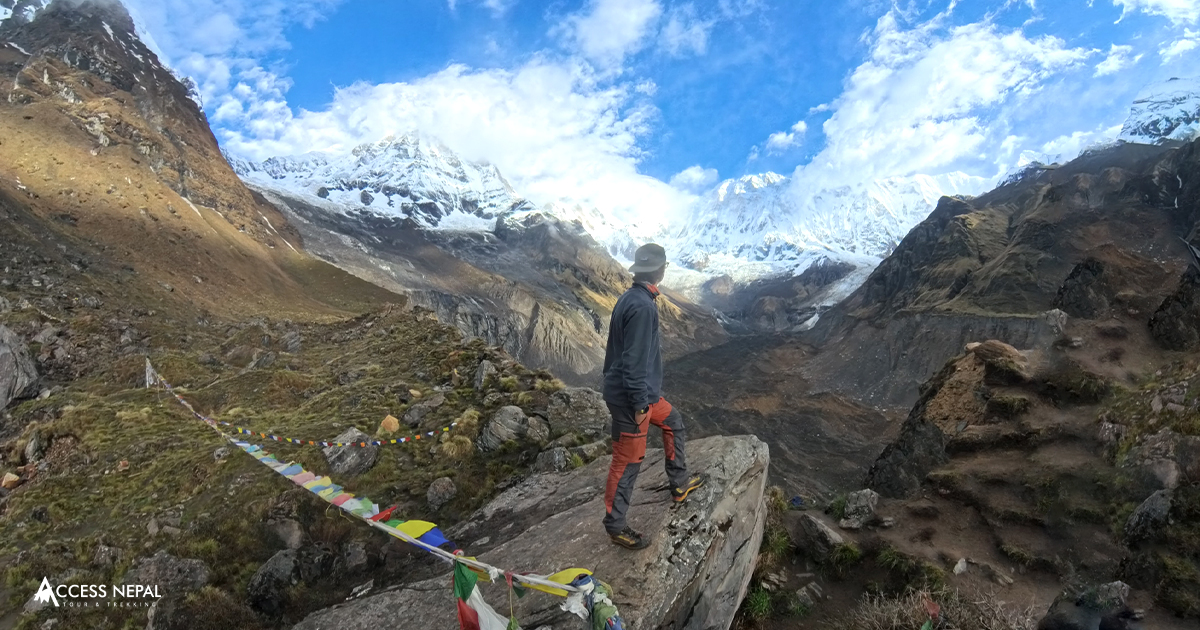
Annapurna Base Camp Trek View
Spring is the starting season of trekking and a good time to grab the good deals at a low cost, which will make this adventure budget-friendly. You can negotiate the price of rooms, food, and beverages with local hotels and save a good amount of money that can be spent on exploring the different places of Nepal.
Annapurna Base Camp Trek in March Itinerary
Day 1: You will arrive in Kathmandu
On day one, you will arrive in Kathmandu and land at Kathmandu International Airport. After landing, you will check into your hotel room, and after getting refreshed, you can visit places a short distance away, like Thamel and Basantapur, and enjoy the nightlife of the city. You can even get the gears for your journey, but they might cost a little more if you buy them in emergencies.
Day 2: Kathmandu to Pokhara
You can travel to Pokhara by bus or flight. The transportation depends on your package. The bus will take 6 to 7 hours, and a flight can be 25 minutes. You will stay the night in Pokhara and enjoy the nightlife of the lakeside view.
Day 3: Pokhara to Jhinu Danda
Nowadays, most companies take jeeps to cover the distance in 2 to 3 hours. The ride starts from Pokhara and reaches the nearby village of Jhinu Danda, which will save you an entire day of walking. But it depends on your package and budget, so make sure to confirm with the companies about it and read the agreement papers carefully.
Day 4: Jhinu Danda to Chhomrong
You will start your journey from Modi Khola and, after climbing 3 to 4 hours, depending on your fitness, reach Chhomrong. You will get the majestic view of Annapurna South and Machhapuchhre if the weather is clear.
Day 5: Chhomrong to Bamboo
On day 5, you descend and reach Chhomrong Khola before climbing again through a beautiful forest of bamboo and rhododendron. You have to walk for 5 to 6 hours on that day.
Day 6: Bamboo to Deurali
Today you will travel 920 meters, climbing from bamboo, and reach Deurali, reaching 3230 meters above sea level. You will travel 4 to 5 hours on trails that day. And during this journey, you will reach a high altitude, and you will have less oxygen in the air.
Day 7: Deurali to Annapurna Base Camp via Machapuchare Base Camp
Day 7 is the final push of your journey from MBC to ABC and one of the hardest parts of your journey. Most trekkers wake before dawn to witness the rays of light hitting the entire mountain, creating the majestic view.
Day 8: Annapurna Base Camp to Bamboo
After breakfast, you start to descend. All the trekkers will start to descend. Some prefer to take a break at Deurali and stay a night. But some prefer to descend all the way, walking the same ground you have climbed.
Day 9: Bamboo to Jhinu Danda
You will continue to descend through the forest while crossing the Chhomrong River and reach Jhinu Danda.
Day 10: Jhinu Danda to Pokhara
Reaching Jhinu Danda from Pokhara involves a jeep and reaching your hotel. Now you can enjoy and praise yourself for completing your journey.
How many days is better for the Annapurna Base Camp Trek?
The traveling days and route might be different according to your package and the company. Normally, you will start your journey after landing at the international airport of Kathmandu and spend your day sightseeing the famous places of kathamandu capital city of Nepal.
Your journey starts from day 2, reaching Pokhara by flight or bus, and spending your remaining time enjoying the nightlife of Pokhara. The real journey starts from the 3rd day, reaching Jhinu Danda as the starting point of your journey. If there are no problems, you will reach the Annapurna Base Camp on day 7 through Machapuchare Base Camp. From the 8th day onwards, you will descend and reach your checkpoint in Pokhara on the 10th day as a sign of your journey being completed.
How much does the Annapurna Base Camp Trek Cost?
The Annapurna Base Camp trek in March is known for its budget-friendly journey. However, the cost of your journey can be different depending on your needs and the package you choose from the companies. The normal cost of your travel starts from $400 to $1000 per person and can reach $2000 depending on the luxuries and your comfort. Things. Like, traveling by plane and staying in expensive hotels can make your journey expensive.
So if you are planning to visit Nepal for this adventure journey, make sure to check the Access Nepal itinerary and cost distributions of your entire adventure.
How difficult is the Annapurna Base Camp trek, especially in March?
Nepal is full of mountains, and Mount Annapurna is one of the most popular mountains for adventure seekers. It rises over 4000 meters above sea level. Annapurna is also known as the beginner’s steps because it is easier compared to other mountains. Many trekkers conquer the Annapurna to train their bodies for the Everest Base Camp (EBC) trek.
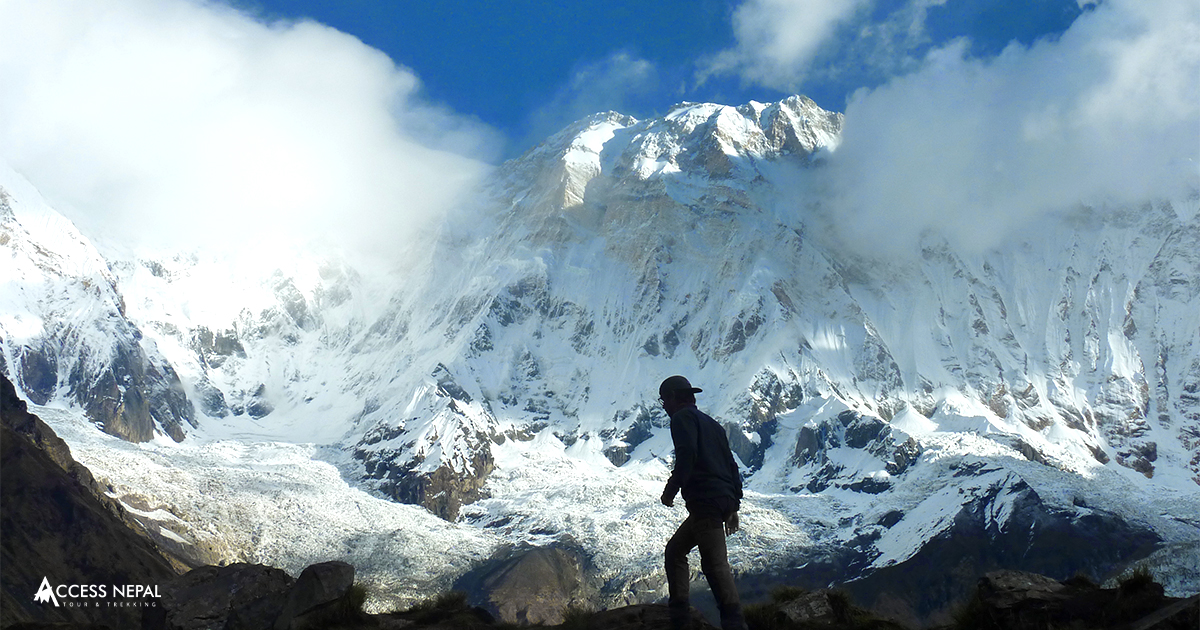
Annapurna Base Camp Trek in March Difficulty
But if you underestimate the difficulty, you might face problems like altitude sickness and risk your life in a sudden change of weather. For experienced trekkers, the difficulty might be medium to average, but for beginners, the trails might get challenging, and the change of altitude decreases the temperature. Many trekkers face altitude sickness due to less oxygen in the air as they climb higher. Trekkers have to walk 5 to 6 hours daily. Sometimes they have to cover longer distances through rough trails.
The trail conditions are very good during March. They are less slippery and muddy. Trekkers can avoid altitude sickness if they keep themselves hydrated and take slow steps instead of rushing the trails to cover more distance. The trek duration lasts between 10 and 13 days, depending on your package, and a daily walk of 5 to 6 hours, sometimes even 7 hours, through your journey.
The major difficulties you might face on your Annapurna Base Camp Trek are:
a. Altitude Considerations
Altitude sickness is the most common at high altitudes. The height of 4130 meters can make anyone go through altitude sickness. But it is easy to overcome this challenge through physical training. Some trekkers try to rush the distance, thinking the weather is good and they can cover more distance easily. But reality hits them harder; they start to lose their breath as the altitude increases. The level of oxygen drops faster than you can notice.
The most common symptoms of altitude sickness are headache, nausea, fatigue, and breathing problems. You will notice these changes when you reach above 2500 meters. It is important to listen to your guide’s instructions and make sure you eat your diet properly and keep checking your health.
b. Physical Preparations
The ABC trek is simple, and the trails are not so complicated that they require technical climbing skills. But if you haven’t prepared your body to walk 5 to 7 hours every day with a certain amount of weight on your back, you might end up being a burden to your team.
It is best to start your training 3 months prior and focus on improving your stamina and endurance. Make sure you take part in short trekking areas or activities that can give you experience of altitude trekking. You need to build your leg and ankle strength, which will help you to reduce injuries and improve your endurance.
c. Trekking Guide and Porters
The Annapurna Base Camp trek is full of unexpected adventure and weather. But a proper guide can make a huge difference. He will have good knowledge about the trails, weather, and cultural history. An experienced guide is rare and very highly paid for the journey.
Many agencies hire inexperienced guides to cut costs and make more profit. Annapurna Base Camp is a restricted area, so it is very important to hire an experienced guide who is familiar with the area and capable of making quick decisions. Guides can help you to face the challenges and problems and even give you suggestions to overcome them. The guide has years of experience and can even speak many languages, so it can remove the language barriers among each other.
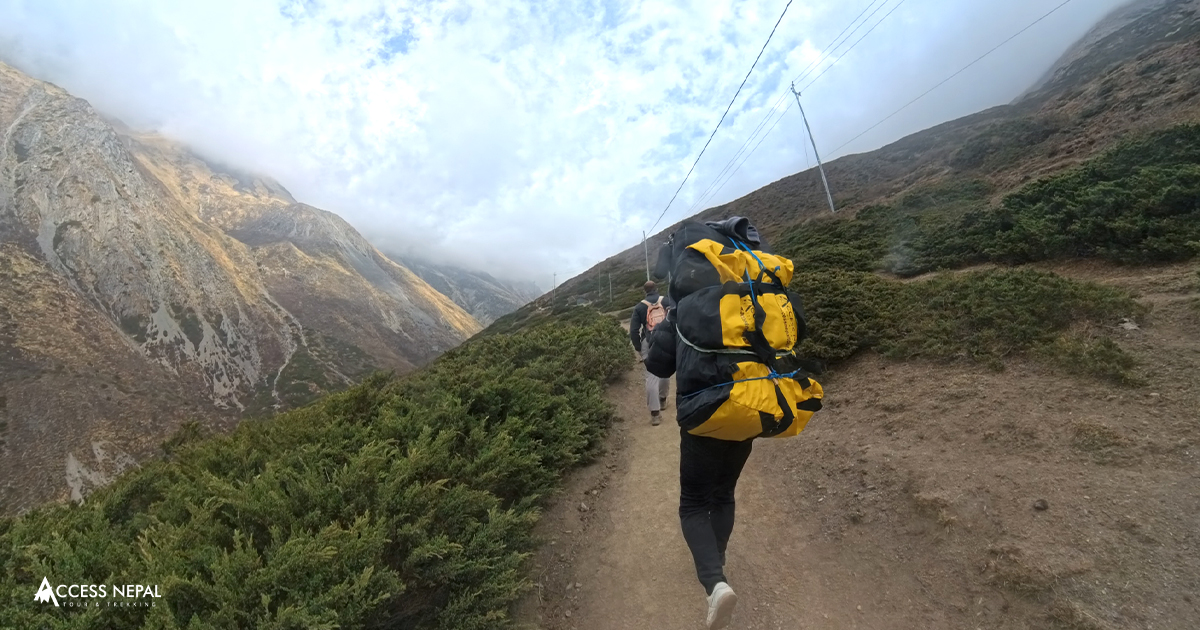
Porters in the Annapurna Region carry trekkers’ heavy gear (around 15-20kg).
Communication can be a major problem and create barriers between trekkers and guides, so it is important to ask the companies to provide the guides with multi-language skills. The well-paid guides will take care of your health and take care of all the logistical things so you can focus on your journey and enjoy it to the fullest.
Porters are not mandatory, but you can pay extra to hire a personal porter. They will carry your bag and equipment for you through your journey. The porters have a limit of weight they will carry for you. If you pay them well, they can carry up to 20 kilograms. Sometimes, a well-traveled potter also has knowledge of many languages.
So it is important to look at the background of your guides and porters, but if you join Access Nepal, we will take care of everything to make sure you don’t get into problems.
How to choose the best company for the Annapurna Base Camp Trek?
Nepal is known for the natual adventure country, popular for its natural mountains, rivers, lakes, and World Heritage Sites. Choosing the right company for your journey can play a major role in your adventure and the entire March Annapurna Base Camp Trek. The company must be legally registered and must have fair communication with its clients.
They should never hesitate to answer the detailed queries in a friendly manner. The genuine company will never rush you for the payment and suggest you explore more before taking you final decision. The day-to-day itinerary routes are made considering the safety of trekkers rather than the rushed routes.
Why choose Access Nepal Travel and Treks to visit the Annapurna Base Camp Trek in March?
Access Nepal will provide you with the most professional guides with years of experience, and make sure that you can travel the entire journey without thinking about the logistical things. If you are making mind to explore the beauty of nepal make sure to join our family, where we provide you the customize itineraries based on your demands and needs.
We have the most budget-friendly cost distribution without compromising your comfort and the journey, full of memories, and enjoying the unforgettable time.
Our company is fully registered and licensed with the tax department of Nepal government. The guides in our company are local and familar to the trails of your journey, providing you with the best experience and a comfortable journey. We will provide you with friendly and polite porters who will help you to carry a certain amount of your weight and charge you accordingly.
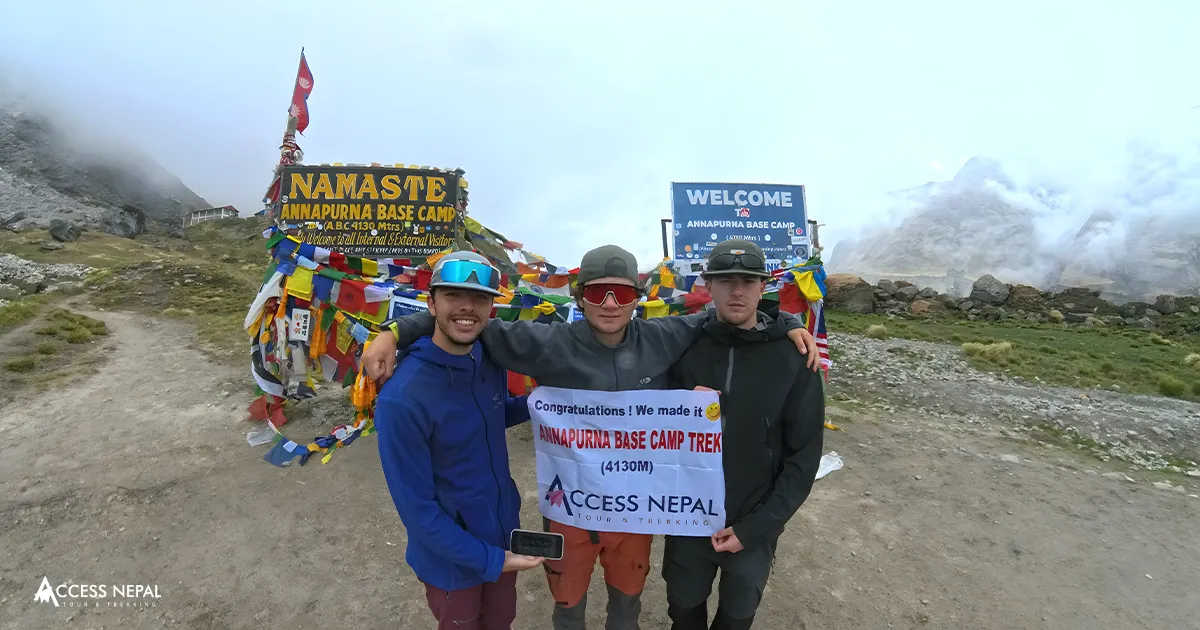
Annapurna Base Camp Trek in March
We will take care of all the permits and the logistical things you might need on your journey. The friendly staff will help you with all your queries and provide you with detailed information regarding your journey.
Annapurna Base Camp Trek FAQs
I. How cold is Annapurna Base Camp in March?
At the start of the month temperature can drop up to 4°C and -5°C during nighttime. But in the middle of the month, you will notice warmer days as the sun touches your skin through your journey.
II. Is March a good time to trek in the Annapura region?
March is the best season for beginners because they can experience both summer and winter adventures at the same time with low crowds, and March is also known as the festival season, so you will have the opportunity to enjoy the Nepali culture and traditions.
III. Can you do the Annapurna Circuit Trek in March?
March is one of the best seasons for trekking. With the help of a good and local guide, you can overcome any problems and enjoy your journey while making memories and new friends.
IV. Can a beginner do the Annapurna Base Camp Trek?
Annapurana Base Camp Trek in March is one of the most beginner friendly hike where you will enjoy the festival and the adventure at the same time. If you have a fear of high altitude, you can join the short-distance trek before 3 months of your journey to train yourself mentally and physically.

Awards and Achievements
Access Nepal Tour and Treks has been recognized with TripAdvisor’s prestigious Travelers’ Choice Award for multiple consecutive years, reflecting our unwavering commitment to quality and clients’ satisfaction.











Leave Your Comment